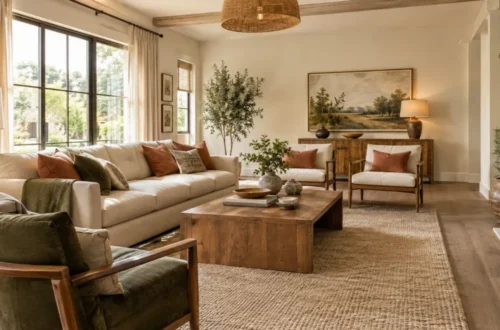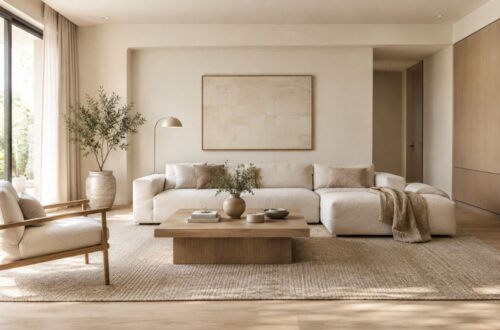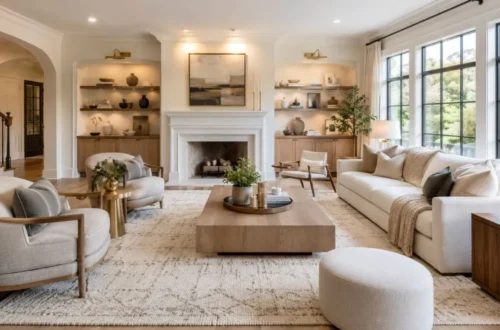
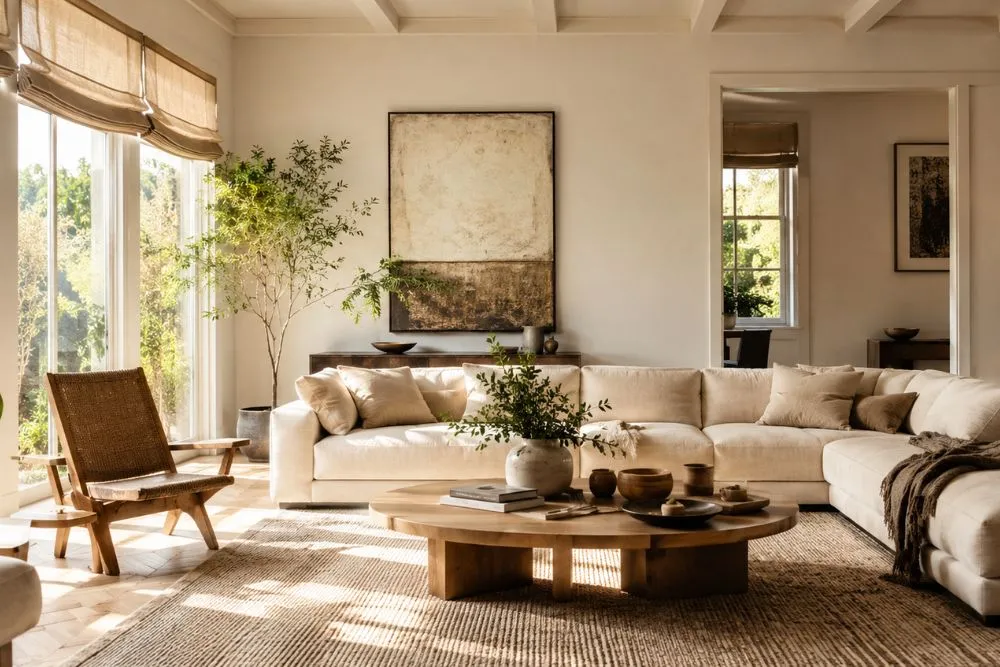
The best home decor ideas combine thoughtful paint colors, functional furniture, layered lighting, natural textures, and personalized accessories to create beautiful, comfortable spaces. Whether you’re updating a single room or your entire house, focusing on color psychology, furniture layout, and practical styling can dramatically improve both appearance and functionality without requiring a complete renovation.
By following these seven expert-backed home decorating ideas, you can transform every room into a space that reflects your personality while increasing comfort, visual appeal, and even your home’s perceived value.
Comparison Table: 7 Home Decor Ideas at a Glance
| Home Decor Idea | Best For | Biggest Benefit |
| Refresh Wall Colors | Every Room | Instant transformation |
| Improve Furniture Layout | Living Room, Bedroom | Better functionality |
| Layer Lighting | Whole Home | Creates ambiance |
| Add Texture | Living Room, Bedroom | Designer appearance |
| Upgrade Wall Decor | Hallways & Living Areas | Visual interest |
| Bring Nature Indoors | Every Room | Improves mood |
| Personalize Accessories | Whole Home | Makes home unique |
Your home should be more than just a place to live, it should be a reflection of your personality, lifestyle, and comfort. Whether you’re moving into a new house, refreshing an older space, or simply looking for home decorating ideas that make everyday living more enjoyable, thoughtful interior design choices can make an incredible difference.
The good news is that transforming your home doesn’t always require an expensive renovation. Sometimes, changing wall colors, rearranging furniture, adding layered lighting, or introducing natural textures can completely change how a room looks and feels.
Throughout this article, you’ll discover modern home decor ideas, room-by-room styling inspiration, designer-approved decorating techniques, and practical advice that works for homes of every size and budget.
Why Does Home Decor Matter More Than Ever?
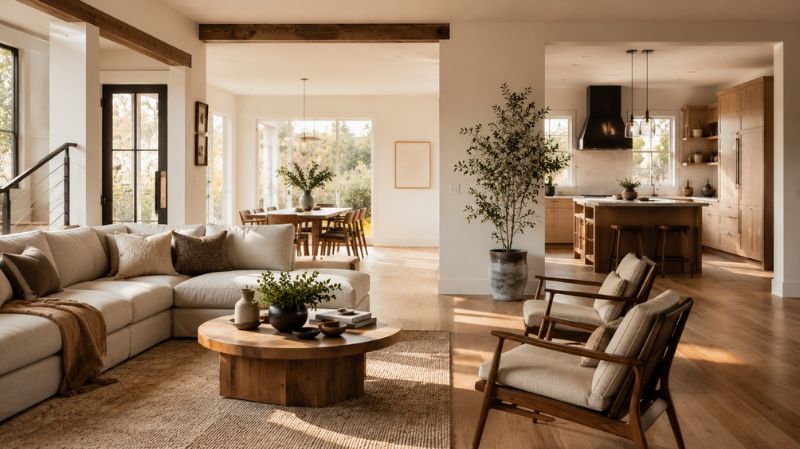
Home decor isn’t simply about making a house look attractive. Good interior design improves the way you experience your home every day.
Recent research from environmental psychology suggests that thoughtfully designed living spaces can positively influence mood, productivity, relaxation, and overall well-being. Color choices, natural light, furniture arrangement, and visual organization all affect how comfortable people feel inside their homes.
For homeowners, good design also has practical value.
A well-decorated home:
- Feels larger and more organized
- Improves everyday functionality
- Enhances resale appeal
- Creates relaxing environments
- Reflects personal style
- Makes entertaining guests more enjoyable
Rather than chasing short-lived trends, successful decorating focuses on timeless principles that balance beauty with practicality.
What Role Does Color Psychology Play in Home Decor?
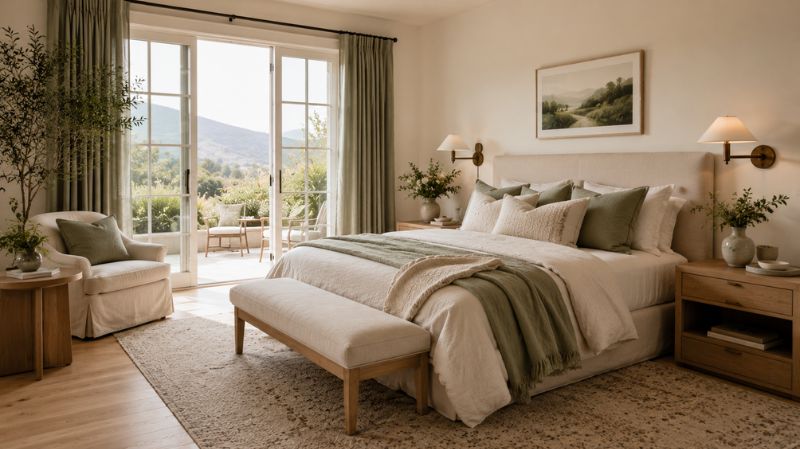
Color is often the first thing people notice when entering a room.
Different colors naturally influence emotions.
| Color | Common Feeling | Best Rooms |
| White | Clean, open | Any room |
| Beige | Warm, welcoming | Living rooms |
| Blue | Calm, peaceful | Bedrooms |
| Green | Fresh, balanced | Offices, kitchens |
| Yellow | Cheerful | Breakfast areas |
| Gray | Sophisticated | Modern interiors |
| Navy | Elegant | Dining rooms |
| Sage Green | Relaxing | Bedrooms, bathrooms |
Understanding color psychology helps homeowners choose paint colors that support each room’s purpose rather than simply following trends.
Authority Insight
Professional interior designers consistently emphasize that successful decorating starts with a cohesive plan rather than individual purchases. Organizations such as the American Society of Interior Designers (ASID) highlight the importance of balancing functionality, aesthetics, lighting, color, and ergonomics to create healthier, more livable spaces.
Instead of decorating one item at a time, designers first establish a color palette, determine furniture placement, and then layer textures, lighting, and accessories to build visual harmony throughout the home.
How Can You Refresh Your Home with the Right Paint Colors?
If there is one decorating upgrade that delivers the biggest impact for the lowest cost, it’s repainting your walls.
Fresh paint instantly updates outdated interiors while creating an entirely new mood.
Unlike replacing flooring or remodeling a kitchen, painting is affordable, beginner-friendly, and highly customizable.
Which Paint Colors Make Rooms Feel Larger?
Light-reflecting shades create an illusion of space.
Excellent choices include:
- Warm White
- Soft Cream
- Greige
- Light Beige
- Pale Gray
- Soft Sage
- Misty Blue
These colors maximize natural light while providing a timeless backdrop for furniture and artwork.
Should You Choose Warm or Cool Paint Colors?
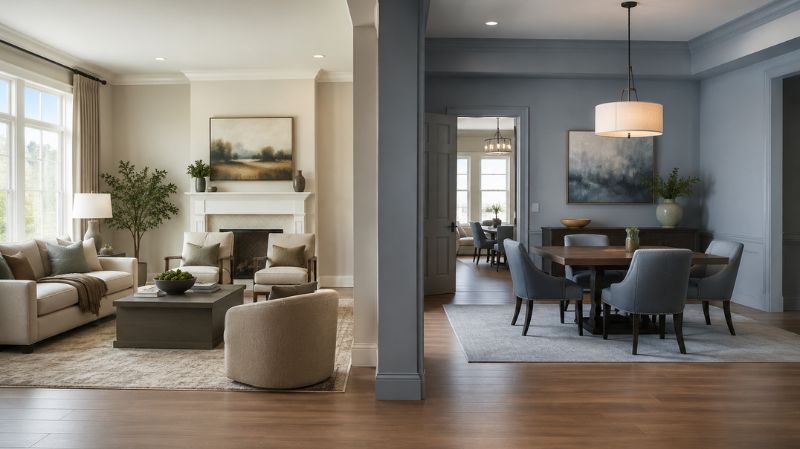
Both work beautifully, but in different situations.
Warm Colors
Perfect for:
- Family rooms
- Dining rooms
- Traditional homes
- North-facing rooms
Examples include:
- Cream
- Warm Beige
- Terracotta
- Taupe
- Soft Clay
Cool Colors
Best for:
- Bedrooms
- Bathrooms
- Home offices
- South-facing spaces
Popular options include:
- Sage Green
- Dusty Blue
- Soft Gray
- Mist Green
- Blue Gray
Are Accent Walls Still in Style?
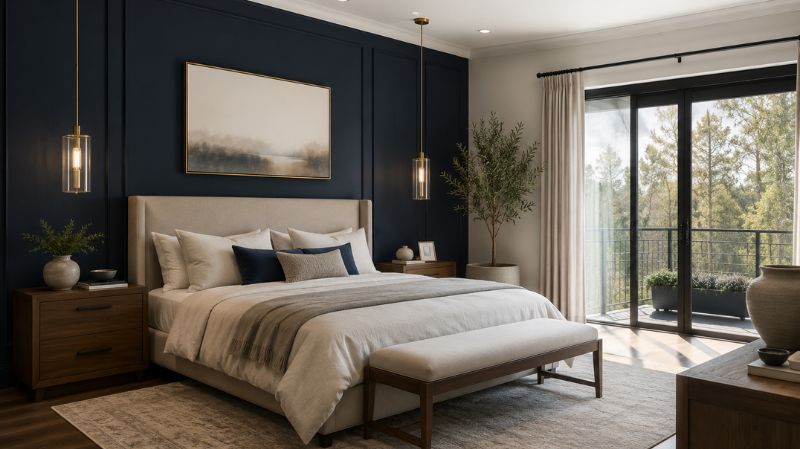
Yes, but today’s accent walls are more sophisticated.
Instead of bright contrasting colors, designers now recommend:
- Deep green feature walls
- Charcoal gray
- Navy blue
- Rich brown
- Textured limewash finishes
- Wood slat walls
Accent walls work especially well behind:
- Beds
- Fireplaces
- TV units
- Dining buffets
How Do You Match Wall Colors with Furniture?
One of the biggest decorating mistakes is choosing furniture before considering wall color harmony.
A simple rule:
- Warm wood → warm paint colors
- Gray furniture → cool neutrals
- Black furniture → high-contrast whites
- Natural oak → sage, beige, cream
- Walnut → taupe, olive, greige
This creates visual continuity throughout the room.
Designer Tip
Instead of selecting paint under store lighting, test samples on multiple walls. Observe the color during morning, afternoon, and evening light before making a final decision.
How Can Furniture Arrangement Transform a Room?
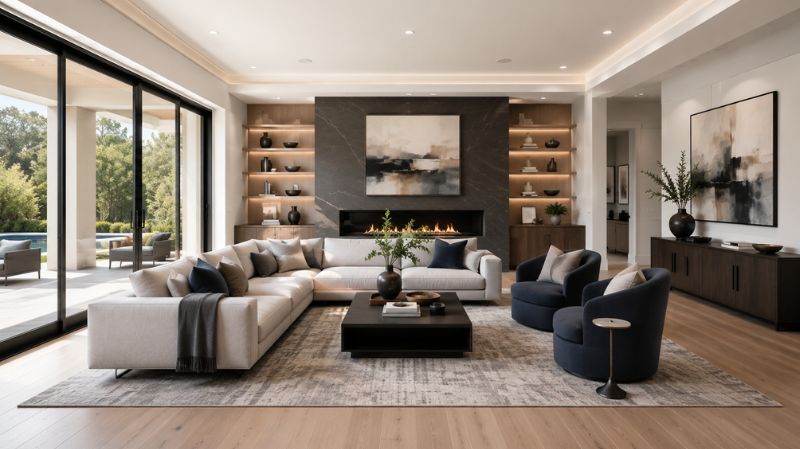
Many homeowners assume they need new furniture when the real issue is poor layout.
Professional designers often improve a room simply by repositioning existing furniture.
The goal is to create natural pathways while encouraging conversation and comfort.
What Is the Best Furniture Layout for Living Rooms?
Rather than pushing every piece against the wall, create intentional seating zones.
For example:
- Position sofas facing each other when possible.
- Keep coffee tables within easy reach.
- Leave comfortable walking paths.
- Anchor the arrangement with a large area rug.
Even small adjustments can make a room feel larger.
How Should You Choose Furniture Based on Room Size?
Small Rooms
Choose:
- Slim-profile sofas
- Glass tables
- Floating shelves
- Multifunction furniture
- Light-colored upholstery
Avoid oversized sectionals that overwhelm the room.
Large Rooms
Introduce:
- Sectionals
- Accent chairs
- Console tables
- Large artwork
- Oversized lighting
Breaking up large spaces into activity zones creates a more welcoming atmosphere.
Can You Mix Modern and Traditional Furniture?
Absolutely.
One of today’s biggest home design ideas is blending old and new.
Try combining:
- Modern sofas with vintage coffee tables
- Traditional wood cabinets with contemporary lighting
- Antique mirrors with minimalist walls
- Rustic dining tables paired with modern chairs
Mixing styles adds personality while preventing rooms from feeling like showroom displays.
Common Furniture Arrangement Mistakes
Avoid these decorating errors:
- Blocking windows
- Ignoring traffic flow
- Buying oversized furniture
- Using rugs that are too small
- Forgetting balance
- Placing televisions too high
- Overcrowding corners
Remember that empty space is part of good design.
Real-Life Example
A homeowner updating a modest three-bedroom suburban home wanted the living room to feel larger without knocking down walls. Instead of purchasing new furniture, they repainted the walls in a soft greige, floated the sofa away from the wall, added a larger area rug that fit beneath the front legs of all seating, and introduced a pair of matching table lamps for layered lighting.
The result was a room that felt brighter, more spacious, and more inviting—all completed over a single weekend for a fraction of the cost of a renovation. It’s a great example of how strategic interior decorating tips can outperform expensive upgrades.
How Can You Elevate Your Walls Beyond Paint?
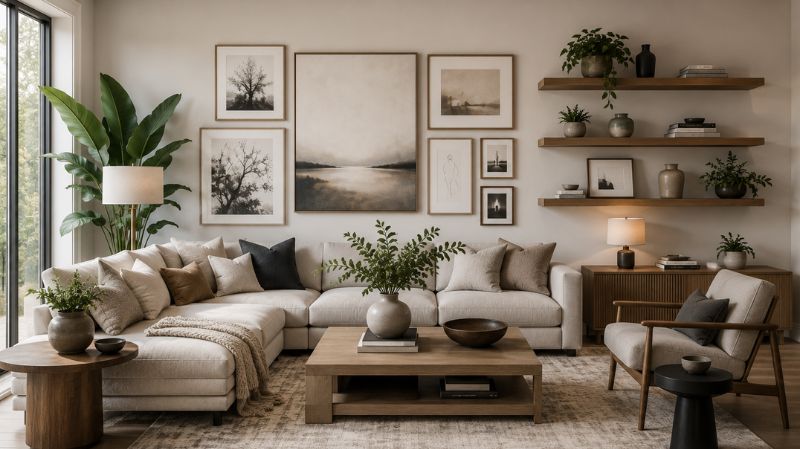
While a fresh coat of paint is one of the easiest ways to transform a room, truly memorable interiors go a step further. Wall decor adds depth, personality, and architectural interest, turning blank surfaces into intentional design features. Whether your style is modern, farmhouse, Scandinavian, coastal, or traditional, decorating your walls thoughtfully can make your home feel professionally designed without requiring a major renovation.
Why Should You Decorate Walls Beyond Paint?
Blank walls can make even beautifully furnished rooms feel unfinished. Adding dimension through artwork, mirrors, shelving, or architectural details creates visual balance while reflecting your personal style.
Well-designed walls can also:
- Make small rooms appear larger.
- Add warmth and texture.
- Highlight architectural features.
- Create a focal point.
- Improve the overall flow of your home.
- Increase perceived home value.
Rather than filling every inch of wall space, focus on creating meaningful focal points that complement your furniture, lighting, and color palette.
How Can Gallery Walls Add Personality?
Gallery walls remain one of the most versatile home decorating ideas because they can be customized for any decorating style.
Instead of hanging random frames, create a cohesive arrangement using artwork, family photographs, travel memories, botanical prints, or black-and-white photography.
Tips for Designing a Beautiful Gallery Wall
- Stick to one consistent frame color for a polished appearance.
- Mix different artwork sizes while maintaining balanced spacing.
- Arrange the layout on the floor before hanging.
- Keep approximately 2–3 inches between frames.
- Hang the center of the arrangement at eye level.
Gallery walls work especially well in:
- Living rooms
- Hallways
- Staircases
- Entryways
- Home offices
For modern homes, consider oversized minimalist prints with thin black frames. Traditional interiors pair beautifully with classic artwork in warm wood or antique-style frames.
Are Large Statement Art Pieces Better Than Multiple Small Frames?
Sometimes, less is more.
A single oversized piece of artwork can make a dramatic statement while keeping the room feeling clean and uncluttered.
Large artwork works particularly well:
- Above sofas
- Behind beds
- Over fireplaces
- In dining rooms
- At the end of long hallways
Choose artwork that complements your existing paint colors rather than competing with them.
For example:
| Wall Color | Recommended Artwork Colors |
| Warm White | Black, beige, navy, terracotta |
| Sage Green | Cream, wood tones, botanical prints |
| Greige | Charcoal, soft blues, muted gold |
| Navy Blue | White, brass, natural wood |
| Beige | Olive green, rust, black accents |
This approach creates a cohesive color story throughout the room.
How Can Decorative Mirrors Improve Interior Design?
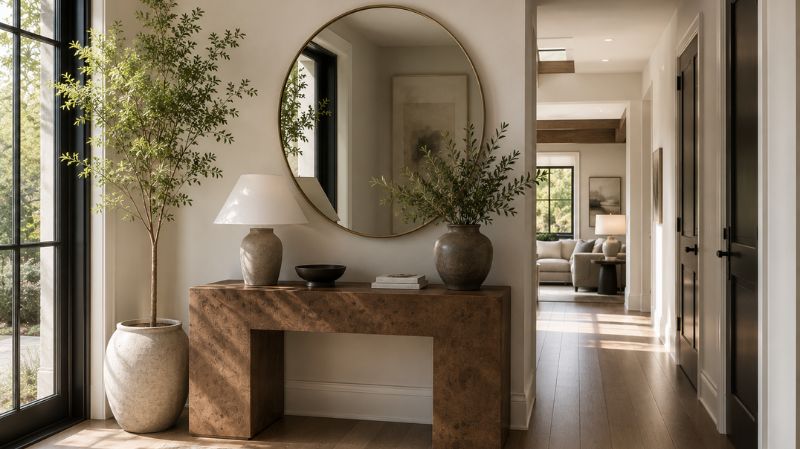
Mirrors are one of the simplest yet most effective interior decorating tips because they combine beauty with functionality.
Strategically placed mirrors:
- Reflect natural light.
- Make small spaces feel larger.
- Brighten darker rooms.
- Create additional visual depth.
- Enhance architectural features.
Round mirrors soften modern interiors, while oversized rectangular mirrors work beautifully in contemporary and transitional homes.
Best Places to Hang Mirrors
- Above entryway consoles.
- Opposite windows.
- Over fireplaces.
- Dining rooms.
- Hallways.
- Bedrooms above dressers.
Designer Tip: Position mirrors where they’ll reflect something attractive, such as a window view, greenery, or statement lighting, rather than a blank wall.
How Do Floating Shelves Add Style and Storage?
Floating shelves offer the perfect balance between decoration and functionality, making them one of today’s most popular modern home decor ideas.
Instead of overcrowding shelves, style them with carefully selected accessories.
A balanced shelf might include:
- Small indoor plants
- Decorative books
- Ceramic vases
- Framed artwork
- Candles
- Sculptural objects
- Natural wood accents
Follow the “Rule of Three” by grouping decorative objects in odd numbers to create a more natural and visually pleasing arrangement.
Floating shelves work exceptionally well in:
- Living rooms
- Kitchens
- Bathrooms
- Home offices
- Reading nooks
Can Wall Paneling and Molding Make a Home Look More Expensive?
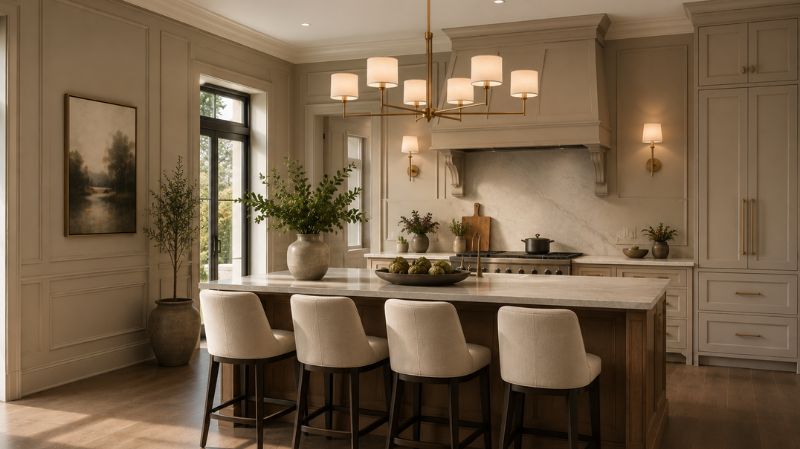
Absolutely.
Architectural wall treatments instantly add sophistication and character while increasing perceived value.
Popular options include:
Board and Batten
Perfect for:
- Entryways
- Dining rooms
- Hallways
Creates timeless farmhouse and transitional appeal.
Picture Frame Molding
Adds elegant detailing to:
- Living rooms
- Bedrooms
- Formal dining rooms
Works especially well when painted the same color as the wall for a subtle, luxurious appearance.
Vertical Wood Slats
Ideal for modern interiors.
Use behind:
- TV units
- Beds
- Home office desks
Natural oak or walnut slats introduce warmth and texture while maintaining clean, contemporary lines.
Shiplap
A favorite in coastal, cottage, and modern farmhouse homes.
Painted white, beige, or soft gray shiplap creates texture without overwhelming the space.
How Can You Combine Wall Decor with Paint Colors?
The best interiors don’t treat paint and decor as separate elements. Instead, they work together to create harmony.
Here are a few designer-approved combinations:
| Paint Color | Wall Decor Style |
| Soft White | Black frames, wood shelves, greenery |
| Warm Beige | Brass mirrors, woven baskets, neutral artwork |
| Sage Green | Botanical prints, natural oak shelving |
| Navy Blue | Gold accents, oversized abstract art |
| Charcoal Gray | White artwork, walnut wood, modern lighting |
| Dusty Blue | Coastal photography, white frames, driftwood accents |
When decorating, repeat accent colors throughout the room in textiles, furniture, and accessories to create a unified design.
Designer Tips for Decorating Walls Like a Professional
Professional designers rarely rely on paint alone. Instead, they layer multiple elements to create visual interest.
Keep these expert tips in mind:
- Leave some negative space to avoid a cluttered look.
- Scale artwork to match the size of your furniture.
- Mix textures like wood, metal, fabric, and glass.
- Use lighting to highlight artwork or architectural features.
- Repeat colors throughout the room for consistency.
- Incorporate natural materials for warmth and balance.
Remember, every wall doesn’t need decoration. A carefully chosen focal wall often has more impact than filling every available surface.
Budget-Friendly Home Decor Ideas: How Can You Transform Your Home Without Overspending?
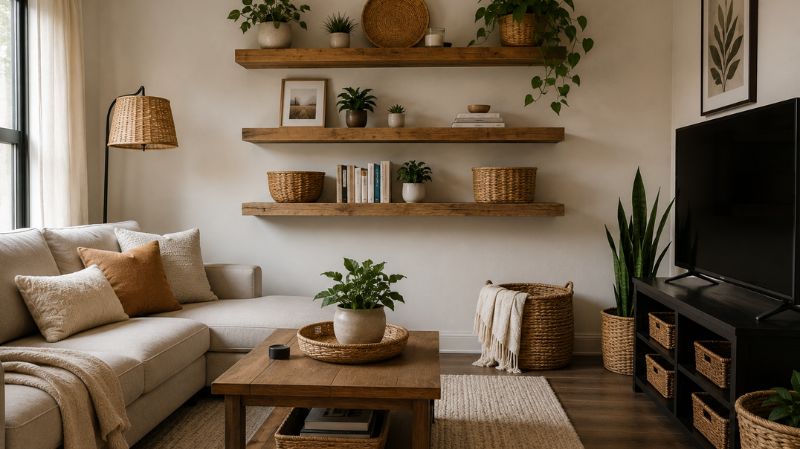
A beautiful home doesn’t have to come with a luxury price tag. Some of the most stylish interiors are created through thoughtful planning, creative styling, and strategic upgrades rather than expensive renovations. Whether you’re decorating your first apartment or refreshing your forever home, budget-friendly improvements can dramatically enhance your living space.
The secret is investing in changes that deliver the greatest visual impact. Fresh paint, improved lighting, rearranged furniture, and carefully selected accessories often make a bigger difference than replacing everything.
Which Affordable Home Decor Ideas Offer the Biggest Impact?
If your decorating budget is limited, prioritize upgrades that instantly change the appearance of a room.
Some of the highest-impact improvements include:
- Paint walls in modern neutral colors.
- Replace outdated cabinet hardware.
- Add layered lighting with floor and table lamps.
- Install floating shelves.
- Refresh throw pillows and blankets.
- Upgrade curtains.
- Introduce indoor plants.
- Rearrange furniture for better flow.
- Replace old area rugs.
- Style bookshelves with decorative objects.
Many of these improvements cost relatively little but completely transform the overall atmosphere of a room.
Can DIY Projects Improve Interior Design?
Absolutely.
DIY decorating allows homeowners to personalize their spaces while staying within budget.
Easy weekend projects include:
- Painting old furniture.
- Building floating shelves.
- Creating a gallery wall.
- Installing peel-and-stick wallpaper.
- Updating picture frames.
- Painting interior doors.
- Refreshing kitchen cabinets.
- Creating decorative wood accent walls.
These projects not only save money but also add unique character that mass-produced furniture often lacks.
Should You Repurpose Existing Furniture?
Before replacing furniture, ask yourself whether it can be updated instead.
Simple improvements include:
- Reupholstering dining chairs.
- Painting wooden furniture.
- Changing cabinet handles.
- Replacing table lamps.
- Updating coffee table styling.
- Swapping decorative hardware.
A fresh finish or new accessories often make older furniture feel brand new.
How Do You Choose the Right Home Decorating Style?
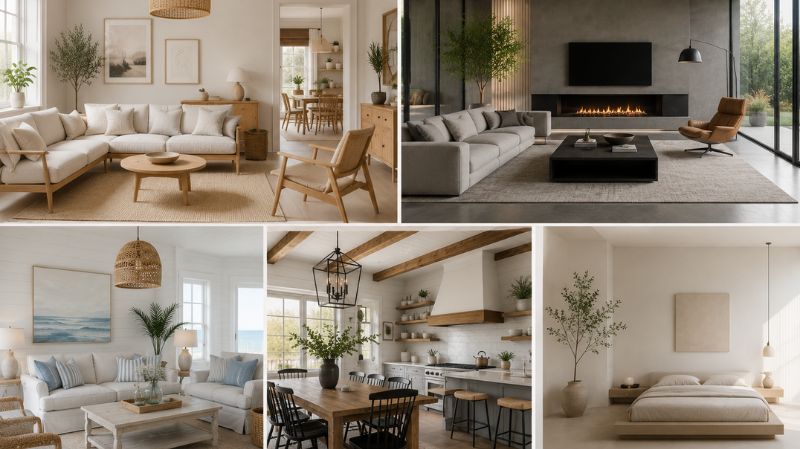
Choosing a decorating style helps create consistency throughout your home. Instead of copying trends, focus on a design style that complements your lifestyle and architecture.
Modern Style
Modern interiors prioritize simplicity, clean lines, and functional furniture.
Characteristics include:
- Neutral paint colors
- Minimal accessories
- Black accents
- Open layouts
- Simple furniture
- Large windows
Popular wall colors:
- Warm White
- Soft Gray
- Greige
- Charcoal
Scandinavian Style
Scandinavian interiors focus on comfort, functionality, and natural materials.
Features include:
- White walls
- Natural oak furniture
- Soft textiles
- Minimal clutter
- Indoor plants
- Cozy lighting
This style works particularly well in smaller homes because it maximizes natural light.
Farmhouse Style
Modern farmhouses continue to be one of the most popular home decorating ideas for families.
Common features:
- Shiplap
- Warm white paint
- Rustic wood furniture
- Matte black hardware
- Woven baskets
- Linen fabrics
Recommended paint colors:
- Cream
- Alabaster White
- Warm Beige
- Soft Sage
Coastal Style
Inspired by beachside living, coastal interiors feel bright, airy, and relaxing.
Use:
- White walls
- Soft blue accents
- Driftwood finishes
- Natural woven textures
- Linen upholstery
Color combinations:
- White + Navy
- Beige + Seafoam Green
- Sand + Sky Blue
Minimalist Style
Minimalism emphasizes quality over quantity.
Key principles include:
- Functional furniture
- Clean surfaces
- Hidden storage
- Neutral colors
- Limited accessories
Remember that minimalist spaces should still feel warm and inviting through texture rather than excessive decoration.
Transitional Style
One of today’s most versatile home design ideas combines traditional architecture with contemporary furniture.
This style blends:
- Classic wood furniture
- Modern lighting
- Neutral palettes
- Layered textures
- Elegant artwork
It offers timeless appeal that remains stylish for years.
What Are the Biggest Home Decor Trends This Year?
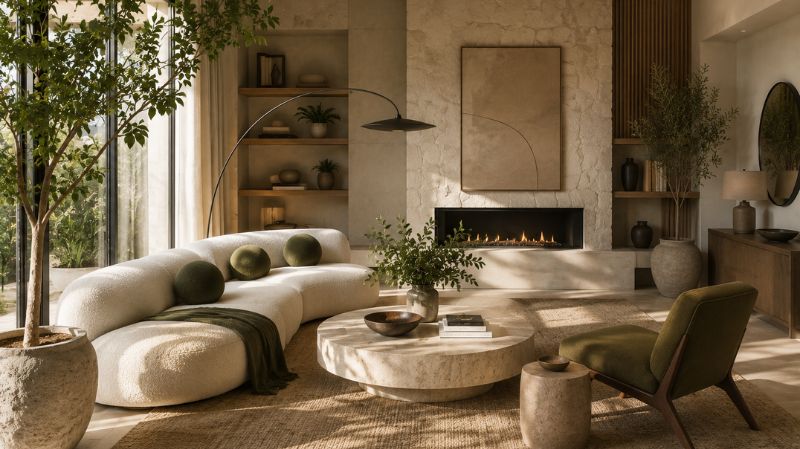
While timeless design always outlasts trends, several decorating ideas continue gaining popularity because they combine beauty with practicality.
Earthy Color Palettes
Warm neutrals have replaced cool gray interiors in many modern homes.
Trending shades include:
- Mushroom
- Clay
- Olive Green
- Warm Taupe
- Terracotta
- Sand Beige
These colors create relaxing environments while complementing natural materials.
Color Drenching
Rather than painting only walls, homeowners are now painting:
- Walls
- Ceiling
- Trim
- Built-ins
- Doors
all in one coordinated color.
This technique creates dramatic, cozy spaces that feel professionally designed.
Biophilic Interior Design
Biophilic design strengthens the connection between people and nature.
Examples include:
- Large indoor plants
- Natural wood
- Stone finishes
- Organic textures
- Large windows
- Earth-inspired color palettes
Research in environmental psychology suggests that incorporating natural elements into interior spaces can help create environments that feel more relaxing and restorative.
Sustainable Decorating
Homeowners are increasingly choosing:
- Reclaimed wood
- Vintage furniture
- Recycled materials
- Energy-efficient lighting
- Low-VOC paint
- Handmade décor
These choices benefit both the environment and long-term home value.
Curved Furniture
Rounded silhouettes soften modern interiors.
Popular choices include:
- Curved sofas
- Round coffee tables
- Arched mirrors
- Rounded accent chairs
- Circular lighting
Curves balance the straight architectural lines found in many modern homes.
How Do Interior Designers Decorate Like Professionals?
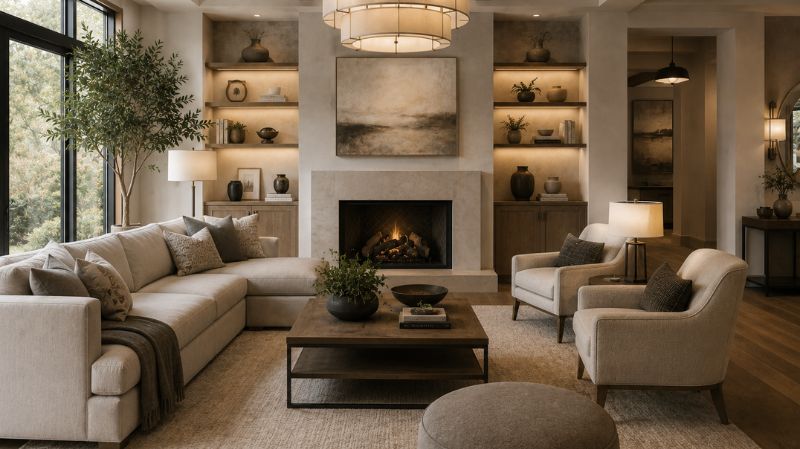
Professional designers follow principles that remain effective regardless of trends.
Start with the Largest Elements First
Always choose:
- Paint colors
- Flooring
- Large furniture
- Rugs
- Lighting
- Accessories
Decorating in this order creates better visual balance.
Follow the 60-30-10 Color Rule
One of the most widely used interior decorating tips is the 60-30-10 rule.
It creates a balanced color distribution.
- 60% dominant color (walls)
- 30% secondary color (furniture)
- 10% accent color (decor)
This simple formula prevents rooms from feeling chaotic while adding visual interest.
Create a Strong Focal Point
Every room benefits from one dominant visual feature.
Examples include:
- Fireplace
- Accent wall
- Large artwork
- Statement lighting
- Picture window
- Built-in shelving
Once established, arrange furniture to emphasize this focal point.
Layer Lighting
Instead of relying solely on ceiling fixtures, combine:
- Ambient lighting
- Task lighting
- Accent lighting
Layered lighting makes rooms feel warmer, larger, and more inviting.
Mix Textures Instead of Colors
Professional interiors often use neutral palettes with varied textures.
Combine:
- Linen
- Leather
- Wood
- Stone
- Glass
- Metal
- Wool
Texture adds depth without overwhelming the room.
What Home Decorating Mistakes Should You Avoid?
Even beautiful furniture and expensive finishes can’t compensate for poor decorating decisions.
Avoid these common mistakes:
Choosing Paint Before Planning
Always consider flooring, furniture, and lighting before selecting wall colors.
Buying Furniture That’s Too Large
Oversized furniture restricts movement and makes rooms appear smaller.
Measure carefully before purchasing.
Ignoring Natural Light
Paint colors look different depending on sunlight exposure.
Always test paint samples throughout the day before committing.
Hanging Artwork Too High
Artwork should generally be positioned around eye level for comfortable viewing and balanced proportions.
Using Rugs That Are Too Small
Area rugs should anchor furniture rather than float independently.
In living rooms, at least the front legs of sofas and chairs should rest on the rug.
Decorating Every Surface
Not every shelf or wall needs accessories.
Leaving some empty space creates balance and allows statement pieces to stand out.
Following Every Trend
Trends come and go.
Build your home around timeless foundations such as quality furniture, neutral paint colors, and classic layouts. Add trendy elements through inexpensive accessories that are easy to update.
Key Takeaway
Creating a beautiful home isn’t about spending the most money—it’s about making intentional design decisions. By selecting a decorating style that fits your lifestyle, embracing timeless color palettes, following proven interior design principles, and avoiding common mistakes, you can create spaces that are functional, welcoming, and visually appealing for years to come.
Conclusion
Creating a beautiful home doesn’t require a massive renovation or an unlimited budget. As these 7 home decor ideas demonstrate, thoughtful changes—like choosing the right paint colors, improving furniture layout, layering lighting, adding texture, enhancing your walls, bringing nature indoors, and incorporating meaningful accessories—can dramatically improve both the look and functionality of every room.
The most successful interiors aren’t necessarily the most expensive—they’re the ones that feel intentional. Every decorating decision should support the way you live, whether you’re creating a relaxing bedroom, a welcoming living room, a productive home office, or a functional kitchen. By combining timeless home decorating ideas with practical design principles, you can create spaces that remain stylish for years rather than chasing short-lived trends.
Now that you’ve discovered these designer-approved home decor ideas, it’s time to put them into action.
Start with a single room this weekend:
- Refresh your wall colors with a timeless paint palette.
- Rearrange your furniture for better flow.
- Add layered lighting for warmth and ambiance.
- Introduce natural textures and greenery.
- Personalize your space with meaningful accessories.
Small improvements made consistently often create the biggest transformations.
Frequently Asked Questions
1. What are the best home decor ideas for every room?
The best home decor ideas include updating wall colors, improving furniture layout, layering lighting, adding texture with rugs and textiles, decorating walls with artwork or mirrors, incorporating indoor plants, and personalizing spaces with decorative accessories. These timeless strategies work in almost every room and suit a wide range of interior styles.
2. How can I decorate my home on a budget?
You can decorate your home affordably by painting walls, rearranging furniture, updating throw pillows, adding indoor plants, installing floating shelves, replacing cabinet hardware, shopping at thrift stores, and completing simple DIY projects. Prioritize high-impact changes before purchasing new furniture.
3. Which paint colors make a room look bigger?
Light-reflective colors help rooms appear larger. Popular choices include soft white, warm cream, light beige, greige, pale gray, and soft sage green. Pair these colors with mirrors and layered lighting to maximize the feeling of openness.
4. What is the 60-30-10 rule in interior design?
The 60-30-10 rule is a classic decorating principle that creates balanced color distribution:
- 60% dominant color (usually walls)
- 30% secondary color (furniture and large textiles)
- 10% accent color (decorative accessories)
Using this formula helps create visually harmonious interiors.
5. What are the latest home decor trends?
Current home decor trends include earthy color palettes, color drenching, biophilic design, curved furniture, sustainable materials, textured wall finishes, oversized artwork, layered lighting, and warm neutral paint colors. These trends emphasize comfort, functionality, and timeless style over short-lived fads.
6. How do I choose the right decorating style for my home?
Start by considering your home’s architecture, lifestyle, and personal preferences. Explore styles such as modern, Scandinavian, farmhouse, coastal, transitional, or minimalist. Rather than copying trends, choose a style that supports how you live and can evolve over time.
7. What home decor improvements add the most value?
Projects that often provide strong visual appeal include repainting interiors, updating lighting fixtures, improving curb appeal, refreshing kitchens with new hardware, installing modern flooring, enhancing storage, and creating cohesive color schemes. Well-maintained, thoughtfully decorated homes also tend to make a stronger impression on potential buyers.
8. How often should you update your home decor?
Large furniture and foundational design elements should be chosen for longevity, often lasting several years or more. Seasonal accessories, pillows, artwork, and decorative accents can be refreshed more frequently to keep your home feeling current without requiring major renovations.
9. What common decorating mistakes should homeowners avoid?
Common mistakes include choosing paint before planning the room, buying oversized furniture, using rugs that are too small, hanging artwork too high, ignoring natural light, overdecorating every surface, and following trends without considering long-term functionality. Careful planning helps create balanced, cohesive spaces.
10. How can I make my home look professionally designed?
Professional-looking interiors typically feature a cohesive color palette, well-scaled furniture, layered lighting, varied textures, thoughtfully styled accessories, and a clear focal point in each room. Paying attention to proportion, spacing, and color coordination can significantly elevate your home’s overall appearance.