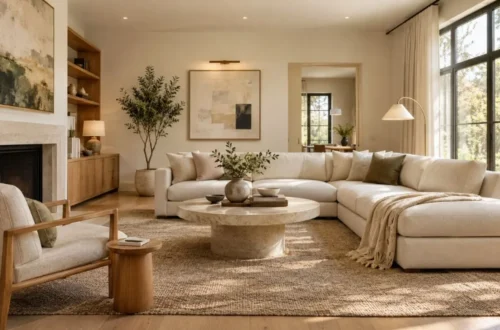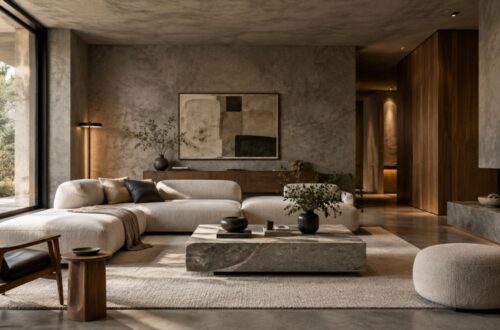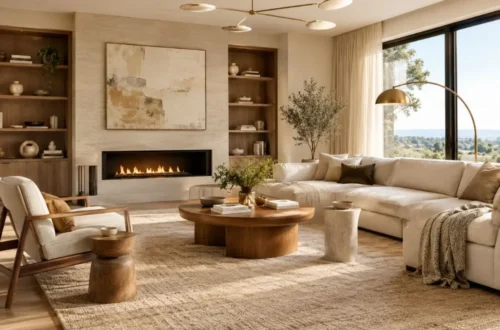
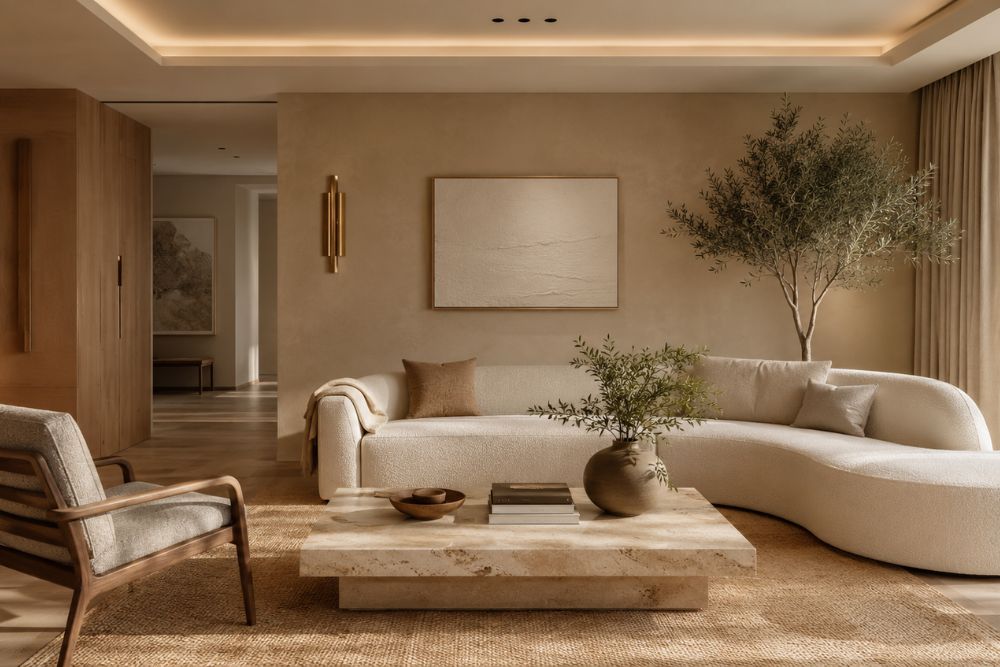
The biggest interior design trends for 2026 focus on creating warm, personalized, and functional homes through natural materials, earthy paint colors, layered lighting, sustainable décor, and timeless furniture. Rather than chasing short-lived fads, homeowners are embracing design choices that improve comfort, reflect personality, and increase long-term value while supporting modern lifestyles.
Whether you’re planning a complete home makeover or simply refreshing one room, these designer-approved ideas will help you create a beautiful, practical, and future-proof interior.
If you’re wondering which interior design trends are worth following in 2026, here’s the short answer:
- Warm earthy color palettes are replacing cool gray interiors.
- Color drenching creates bold yet sophisticated spaces.
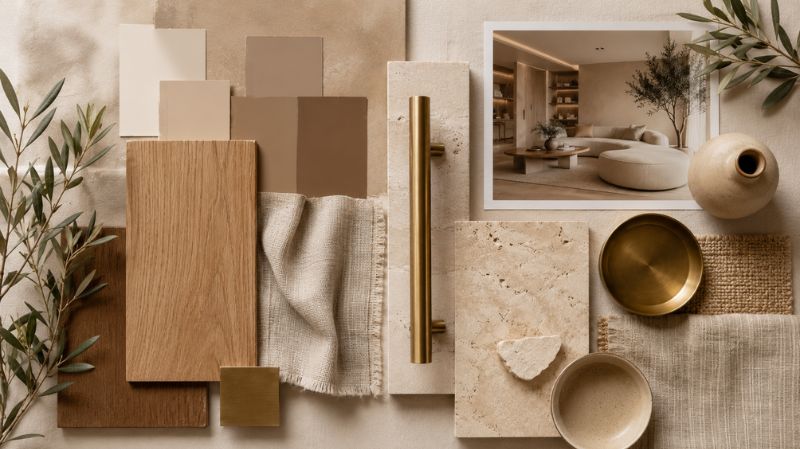
- Natural materials like wood, stone, linen, and clay continue to dominate.
- Curved furniture softens modern interiors.
- Statement ceilings are becoming the “fifth wall.”
- Wellness-focused design and biophilic elements remain essential.
- Personalized décor is replacing perfectly minimal spaces.
- Sustainable furniture and timeless finishes are preferred over disposable trends.
- Layered lighting dramatically improves ambiance and functionality.
- Rich textures and handcrafted details make homes feel authentic and inviting.
These trends work especially well when paired with thoughtful paint color choices, balanced furniture layouts, and practical home improvement upgrades.
Interior Design Trends at a Glance
| Trend | Best For | Recommended Paint Colors | Difficulty |
| Warm Earth Tones | Whole Home | Warm White, Greige, Clay Beige, Olive Green | Easy |
| Color Drenching | Bedrooms, Offices | Deep Green, Navy, Taupe, Burgundy | Medium |
| Natural Materials | Living Rooms | Warm White, Sand, Mushroom | Medium |
| Curved Furniture | Living Rooms | Soft Beige, Cream | Easy |
| Statement Ceilings | Dining Rooms | Sage, Navy, Warm White | Medium |
| Layered Lighting | Every Room | Any Palette | Easy |
| Wellness Design | Bedrooms | Soft Green, Blue, Earth Tones | Easy |
| Mixed Metals | Kitchens & Bathrooms | Neutral Backgrounds | Easy |
| Personalized Decor | Every Room | Flexible | Easy |
| Sustainable Design | Whole Home | Timeless Neutrals | Medium |
Why Do Interior Design Trends Matter More Than Ever?
For today’s homeowners, interior design is no longer just about aesthetics—it is about creating spaces that improve daily life. Modern homes often serve multiple purposes: workplace, relaxation zone, entertainment hub, and family gathering space. As a result, every design decision, from wall color to furniture placement, has a greater impact on comfort and functionality.
According to industry reports from organizations such as the American Society of Interior Designers (ASID) and the National Kitchen & Bath Association (NKBA), homeowners are increasingly investing in renovations that enhance wellness, sustainability, and long-term usability. Rather than completely redesigning interiors every few years, many people now prefer timeless improvements that remain beautiful for years.
This means understanding how interior design trends connect with:
- Paint color selection
- Color psychology
- Furniture placement
- Lighting design
- Home improvement projects
- Decorative accessories
- Functional room layouts
- Residential lifestyle needs
The best interiors are not those that perfectly copy social media photos. They are the ones thoughtfully adapted to the people who live in them.
What Defines Today’s Interior Design Trends?
Unlike previous years, today’s latest interior design trends prioritize authenticity over perfection. Designers are moving away from homes that feel staged and instead favor spaces with warmth, texture, and personality.
Several key influences are shaping modern interior trends in 2026:
- Sustainable living
- Wellness-focused interiors
- Flexible living spaces
- Vintage-inspired décor
- Nature-inspired materials
- Layered textures
- Personalized collections
- High-quality craftsmanship
These ideas also align with the growing popularity of luxury home decor trends, where understated elegance often replaces excessive ornamentation.
How Has Interior Design Changed Over the Past Few Years?
Over the last decade, many homes featured cool gray walls, sleek furniture, and minimalist styling. While this look felt modern, it often lacked warmth and individuality.
Today’s interiors are evolving toward softer, more welcoming environments. Designers now embrace:
- Warm neutral paint colors
- Natural wood finishes
- Handmade accessories
- Curved silhouettes
- Rich textures
- Collected vintage pieces
- Organic shapes
- Comfortable furniture
This shift reflects a broader desire for homes that feel lived-in, calming, and deeply personal.
Why Does Paint Color Play Such a Big Role?
Paint is one of the easiest and most cost-effective ways to transform a home. It also influences how large, bright, cozy, or energetic a room feels.
Color psychology plays an important role:
- Warm whites create openness.
- Earthy greens promote relaxation.
- Terracotta adds warmth and creativity.
- Deep blues encourage calmness.
- Soft beige feels inviting.
- Mushroom tones add sophistication.
Choosing paint before purchasing décor allows homeowners to build a cohesive design scheme rather than trying to match wall colors afterward.
Designer Tip: Select your largest furniture pieces first, then choose paint colors that complement upholstery, flooring, and natural lighting.
1. Why Are Warm Earth Tones Replacing Cool Gray Interiors?
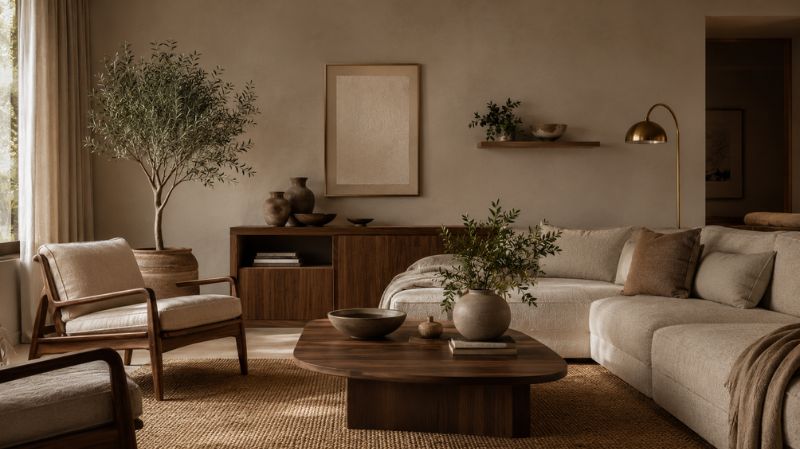
One of the biggest changes in today’s interior design trends is the transition from cool gray color palettes to warmer, earth-inspired hues.
While gray isn’t disappearing entirely, designers increasingly recommend colors that create comfort and visual warmth.
Popular choices include:
- Clay beige
- Mushroom
- Camel
- Warm taupe
- Olive green
- Terracotta
- Soft caramel
- Sandstone
These shades pair beautifully with wood flooring, linen fabrics, natural stone, and woven textures.
Which Paint Colors Work Best?
Some of the most versatile warm paint colors include:
- Warm White
- Soft Greige
- Mushroom Beige
- Olive Green
- Clay Tan
- Muted Terracotta
- Warm Taupe
- Creamy Ivory
These colors adapt well to changing light throughout the day, making rooms feel brighter without appearing stark.
Which Rooms Benefit Most?
Living Room
Earth tones create an inviting atmosphere ideal for entertaining guests while making larger spaces feel comfortable.
Pair with:
- Walnut furniture
- Linen curtains
- Wool rugs
- Brass lighting
- Indoor plants
Bedroom
Warm neutrals encourage relaxation and improve visual comfort.
Recommended combinations:
- Soft beige walls
- Cream bedding
- Oak nightstands
- Olive green accent pillows
Kitchen
Earth-inspired paint colors complement both painted cabinetry and natural wood finishes.
Popular pairings include:
- Mushroom cabinets
- White quartz countertops
- Brass hardware
- Warm oak shelving
Designer Styling Tips
To keep warm palettes feeling modern:
- Mix several shades rather than using one color everywhere.
- Add black accents for contrast.
- Layer different textures.
- Include natural greenery.
- Choose matte finishes over high gloss.
Real-Life Example
A family renovating a suburban home replaced cool gray walls with a warm greige throughout the main floor. They also swapped chrome hardware for brushed brass and added linen curtains and oak shelving. Without changing the home’s layout, the space felt noticeably brighter, cozier, and more inviting. The project illustrates how thoughtful color and material choices can dramatically transform a home’s atmosphere without requiring a major renovation.
2. What Is Color Drenching and Why Is It So Popular?
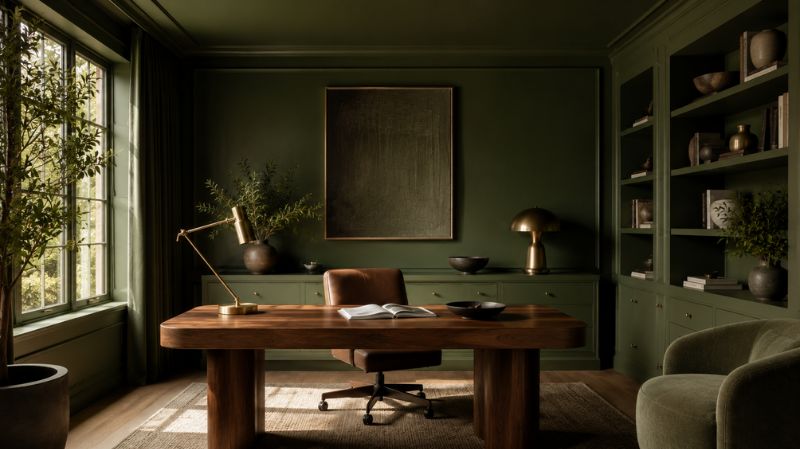
Color drenching is one of the most talked-about latest interior design trends because it creates depth, cohesion, and dramatic elegance.
Instead of painting only the walls, color drenching involves using the same—or closely related, paint color on:
- Walls
- Ceiling
- Trim
- Doors
- Built-in shelving
- Sometimes cabinetry
The result is a seamless, immersive look that makes architectural details stand out while reducing visual clutter.
Why Does Color Drenching Work?
Contrary to popular belief, using one color throughout a room doesn’t necessarily make it feel smaller. In many cases, eliminating sharp color breaks creates the illusion of a larger, more cohesive space.
This approach works especially well in:
- Home offices
- Libraries
- Dining rooms
- Bedrooms
- Reading nooks
- Powder rooms
Which Paint Colors Are Best?
Popular options include:
- Deep olive green
- Rich navy
- Smoky blue
- Charcoal gray
- Chocolate brown
- Dusty mauve
- Warm taupe
For smaller rooms, choose medium tones instead of extremely dark shades to maintain balance.
Finish Matters
Many designers combine finishes for added dimension:
- Matte walls
- Satin trim
- Eggshell ceilings
- Semi-gloss built-ins
This subtle variation catches light differently without disrupting the monochromatic effect.
Color Pairing Inspiration
For a cozy home office:
- Olive green walls
- Olive trim
- Walnut desk
- Leather chair
- Brass lamp
- Cream area rug
The layered finishes keep the room sophisticated rather than flat.
3. Why Are Natural Materials Becoming More Important?
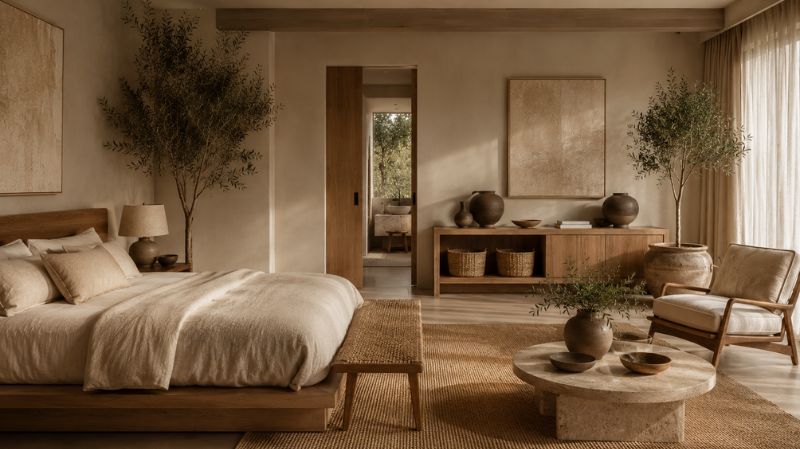
Perhaps no trend reflects today’s lifestyle better than the renewed appreciation for natural materials.
Wood, stone, clay, linen, wool, rattan, bamboo, and handcrafted ceramics help homes feel grounded and timeless. These materials introduce texture, warmth, and authenticity—qualities that many homeowners now value more than highly polished surfaces.
Natural materials also pair beautifully with the warm color palettes discussed earlier, creating interiors that feel balanced and inviting.
Which Materials Are Leading the Trend?
Some of the most popular choices include:
- Solid oak and walnut furniture
- Natural stone countertops and side tables
- Linen curtains and upholstery
- Woven jute and sisal rugs
- Handmade ceramic vases
- Clay planters
- Bamboo window treatments
- Textured plaster finishes
These materials age gracefully and often become more attractive over time, making them a worthwhile investment for long-term home improvement.
How Do Natural Materials Enhance Color?
One of the biggest advantages of natural finishes is their ability to soften paint colors and add depth to a room.
For example:
- Warm white walls look richer alongside oak furniture.
- Olive green paint pairs beautifully with woven baskets and linen textiles.
- Terracotta accents complement natural stone and clay décor.
- Mushroom beige walls create a calming backdrop for walnut wood tones.
Rather than competing with wall colors, these materials help them feel more organic and cohesive.
4. Why Are Curved Furniture and Organic Shapes Dominating Modern Interiors?
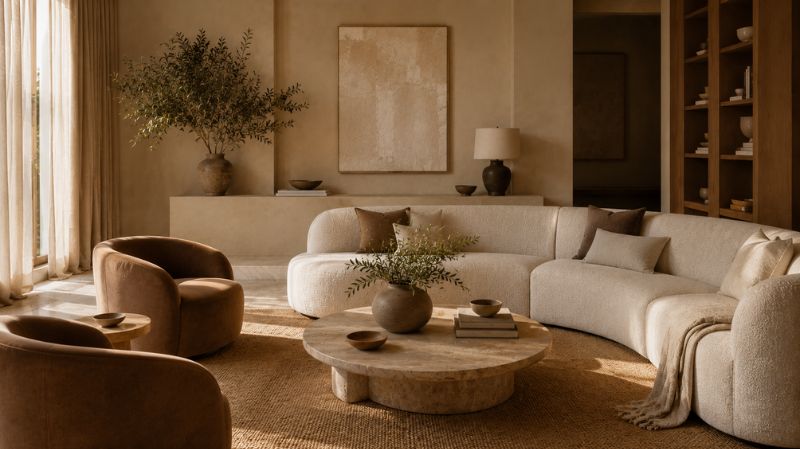
One of the most noticeable modern interior trends is the shift away from sharp, angular furniture toward softer, curved silhouettes. Rounded edges create a sense of movement and comfort, making rooms feel more inviting while reducing the visual rigidity often associated with minimalist interiors.
Designers are incorporating curves into everything from sofas and coffee tables to mirrors, lighting fixtures, and architectural details. This trend blends beautifully with both contemporary and traditional homes, making it one of the easiest ways to refresh a space without a major renovation.
What Makes Curved Furniture So Appealing?
Beyond aesthetics, curved furniture improves the overall flow of a room. Rounded edges naturally guide the eye around a space, creating a more harmonious layout.
Benefits include:
- Softens boxy floor plans
- Makes small rooms feel less cramped
- Adds visual movement
- Creates a welcoming atmosphere
- Works well with open-concept layouts
For families with young children, rounded furniture can also be a practical choice by reducing sharp corners.
Which Pieces Should You Invest In?
If you’re trying this trend for the first time, start with one statement piece rather than replacing an entire room.
Popular options include:
Curved Sofas
A curved sofa becomes the focal point of a living room while encouraging conversation and improving furniture flow.
Rounded Coffee Tables
Circular or oval coffee tables make navigating tight spaces easier and balance rectangular seating arrangements.
Accent Chairs
Barrel chairs, boucle chairs, and sculptural lounge chairs add softness while introducing texture.
Organic Mirrors
Large asymmetrical mirrors reflect light while making walls feel more dynamic.
Sculptural Lighting
Pendant lights with globe shades or flowing forms reinforce the organic aesthetic without overwhelming the room.
Best Paint Colors for Curved Furniture
To let sculptural furniture shine, choose calming wall colors such as:
- Warm White
- Cream
- Soft Greige
- Light Mushroom
- Pale Sage
- Dusty Clay
These shades create a neutral backdrop while allowing the furniture’s silhouette to stand out.
Designer Tip: Pair curved furniture with natural materials like oak, linen, or travertine for a balanced, timeless look.
5. Why Are Statement Ceilings Becoming the “Fifth Wall”?
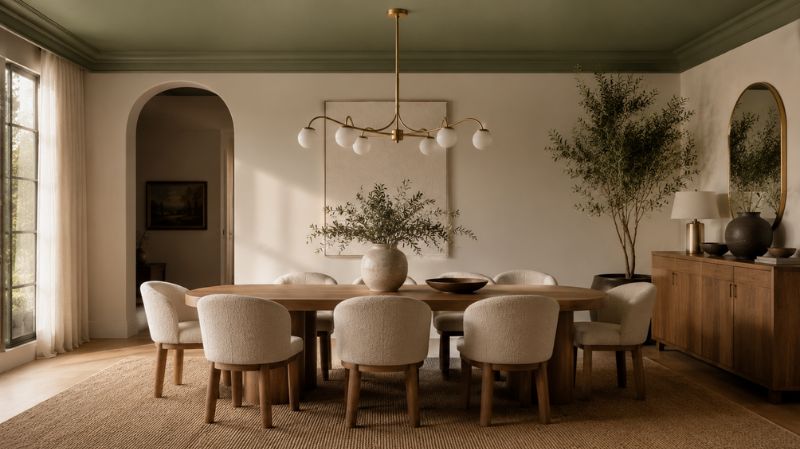
For years, ceilings were almost always painted white and largely ignored. Today, designers view the ceiling as the “fifth wall”—an opportunity to introduce color, texture, and personality.
A thoughtfully designed ceiling can transform a room without taking up valuable floor space, making it especially effective in smaller homes.
What Are the Most Popular Ceiling Treatments?
Painted Ceilings
Painting the ceiling a complementary or contrasting color creates visual interest while enhancing the room’s proportions.
Popular choices include:
- Soft Sage
- Warm Taupe
- Navy Blue
- Dusty Blue
- Terracotta
- Charcoal
Wallpapered Ceilings
Patterned ceilings work beautifully in dining rooms, powder rooms, and bedrooms where they create a memorable design statement.
Wood Paneling
Natural wood ceilings introduce warmth while complementing biophilic design principles.
Decorative Beams
Whether structural or decorative, exposed beams add architectural character and timeless appeal.
Which Rooms Benefit Most?
Dining Room
A painted ceiling draws the eye upward and creates an intimate atmosphere for entertaining.
Bedroom
Soft, muted ceiling colors create a cozy environment that promotes relaxation.
Home Office
A deeper ceiling color adds sophistication and can help define the workspace.
Entryway
Since entryways are often compact, a statement ceiling creates a memorable first impression without adding clutter.
Paint Pairing Ideas
| Ceiling Color | Wall Color | Best Style |
| Sage Green | Warm White | Organic Modern |
| Navy Blue | Soft Greige | Transitional |
| Dusty Blue | Cream | Coastal |
| Terracotta | Sand Beige | Mediterranean |
| Charcoal | Mushroom | Contemporary |
Tip: Use flat ceiling paint to minimize imperfections while maintaining a refined appearance.
6. Why Is Layered Lighting Essential in Today’s Homes?
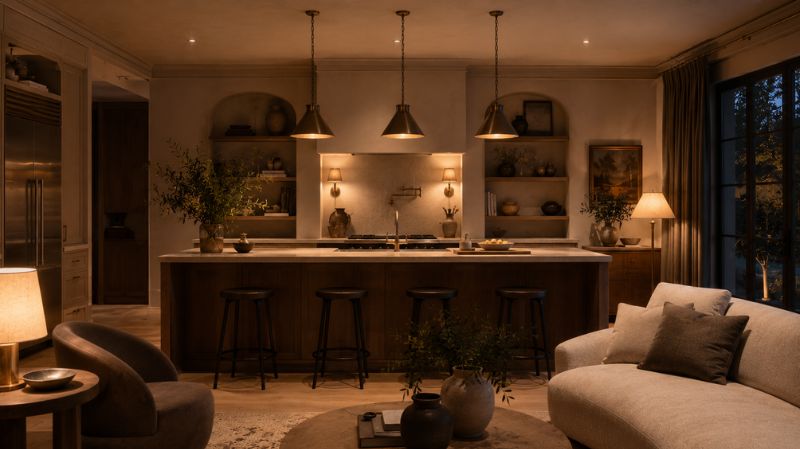
Lighting has become one of the defining elements of successful interior design. Rather than relying on a single ceiling fixture, designers now recommend layering multiple light sources to create flexibility and ambiance.
Good lighting enhances paint colors, highlights textures, and makes rooms feel larger and more comfortable.
What Are the Three Layers of Lighting?
Ambient Lighting
This is the primary source of illumination and typically comes from ceiling fixtures, recessed lights, or large pendants.
Task Lighting
Focused lighting helps with specific activities such as reading, cooking, or working.
Examples include:
- Desk lamps
- Under-cabinet kitchen lighting
- Vanity lights
- Bedside lamps
Accent Lighting
Accent lighting highlights artwork, shelves, architectural details, or decorative objects.
Examples include:
- Wall sconces
- Picture lights
- LED shelf lighting
- Floor lamps
Why Does Lighting Affect Paint Colors?
Natural and artificial lighting significantly influence how paint appears throughout the day.
For example:
- North-facing rooms often make colors appear cooler.
- South-facing rooms enhance warm undertones.
- Warm LED bulbs create cozy atmospheres.
- Cooler LEDs emphasize crisp whites and blues.
Always test paint samples under your home’s actual lighting conditions before committing to a color.
Designer Recommendation
Install dimmer switches whenever possible. They provide greater control over mood, improve energy efficiency, and extend bulb life.
7. How Does Wellness-Focused Interior Design Improve Everyday Living?
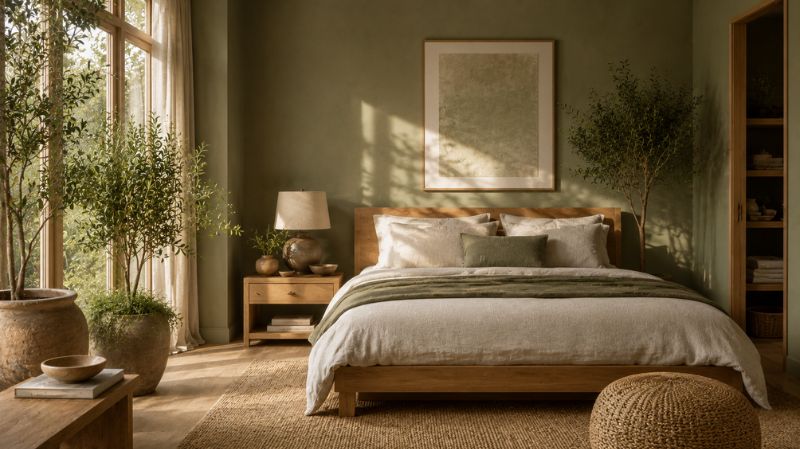
Homes are increasingly designed to support physical and mental well-being. Wellness-focused design goes beyond aesthetics by creating environments that reduce stress, improve comfort, and encourage healthier daily routines.
This trend has become especially important as more people work remotely and spend more time at home.
What Is Biophilic Design?
Biophilic design strengthens the connection between people and nature through thoughtful use of natural elements.
Common features include:
- Indoor plants
- Natural daylight
- Wood furniture
- Stone surfaces
- Organic textures
- Water-inspired colors
Research has shown that exposure to natural elements can contribute to lower stress levels and improved overall well-being, making biophilic principles a valuable consideration in residential design.
Which Paint Colors Promote Relaxation?
Color psychology plays a major role in wellness-focused interiors.
Popular calming colors include:
- Sage Green
- Olive Green
- Soft Blue
- Warm Beige
- Clay
- Muted Lavender
- Cream
Avoid overly bright, highly saturated colors in spaces intended for rest.
Room-by-Room Wellness Ideas
Bedroom
- Blackout curtains
- Soft lighting
- Layered bedding
- Neutral wall colors
Living Room
- Natural fiber rugs
- Comfortable seating
- Indoor plants
- Warm lighting
Bathroom
- Wooden accessories
- Stone textures
- Spa-inspired color palette
Home Office
- Adjustable chair
- Plenty of daylight
- Minimal clutter
- Soft green accent wall
8. Why Are Mixed Metal Finishes Replacing Perfectly Matched Hardware?
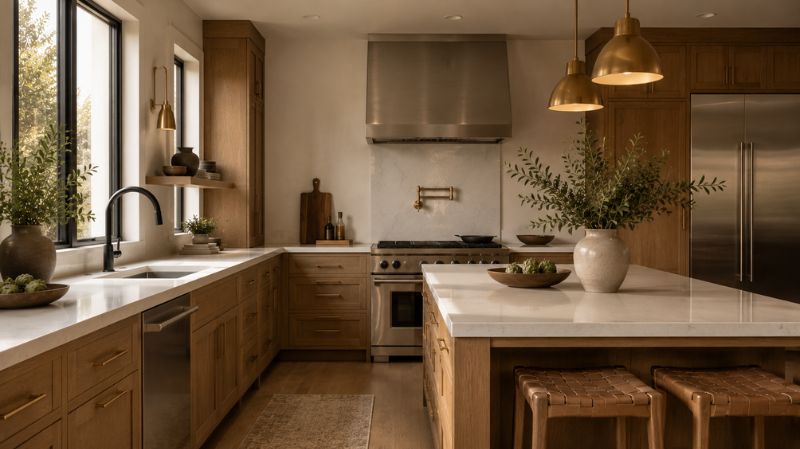
Perfectly matching every metal finish throughout a home is no longer considered necessary. Designers are increasingly mixing brass, black, chrome, bronze, and nickel to create layered, collected interiors.
The key is intentional balance rather than random combinations.
Which Metal Combinations Work Best?
Some timeless pairings include:
- Brushed Brass + Matte Black
- Bronze + Satin Nickel
- Antique Brass + Chrome
- Black + Stainless Steel
Where Should You Mix Metals?
Kitchen
- Brass cabinet handles
- Black faucets
- Stainless appliances
Bathroom
- Brushed nickel shower fixtures
- Brass mirrors
- Matte black sconces
Living Room
- Bronze lamps
- Brass coffee tables
- Black picture frames
Best Wall Colors
Mixed metals look especially elegant against:
- Warm White
- Greige
- Mushroom
- Soft Beige
- Olive Green
These neutral backgrounds allow each finish to stand out without competing.
9. Why Is Personalized Decor Replacing Perfect Minimalism?
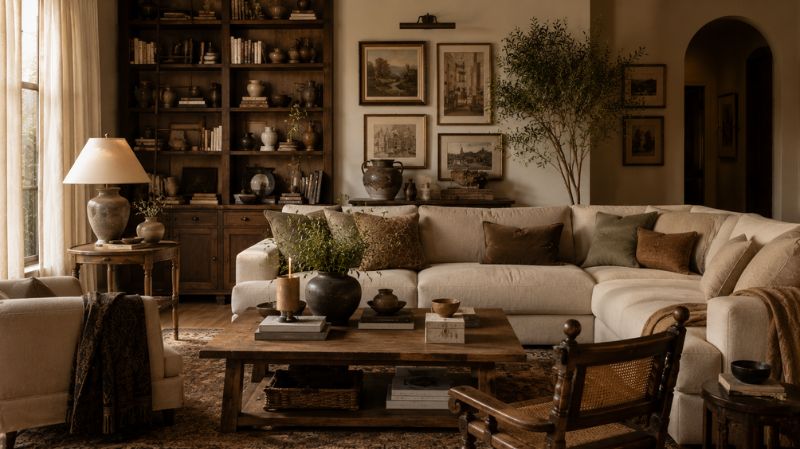
One of the strongest latest interior design trends is the move toward homes that tell a story. Instead of striving for magazine-perfect minimalism, homeowners are embracing collections, heirlooms, travel souvenirs, handmade pieces, and meaningful artwork.
The goal isn’t clutter, it’s character.
How Can You Personalize Your Home Tastefully?
Try incorporating:
- Vintage furniture
- Family photographs
- Handmade ceramics
- Framed travel memories
- Collected wall plates
- Antique mirrors
- Books and sculptures
- Locally crafted artwork
These items create a home that feels unique rather than copied from a showroom.
Designer Styling Tips
- Group similar objects together.
- Mix old and new pieces.
- Leave negative space so collections can breathe.
- Stick to a consistent color palette for visual cohesion.
10. Why Is Sustainable Design Here to Stay?
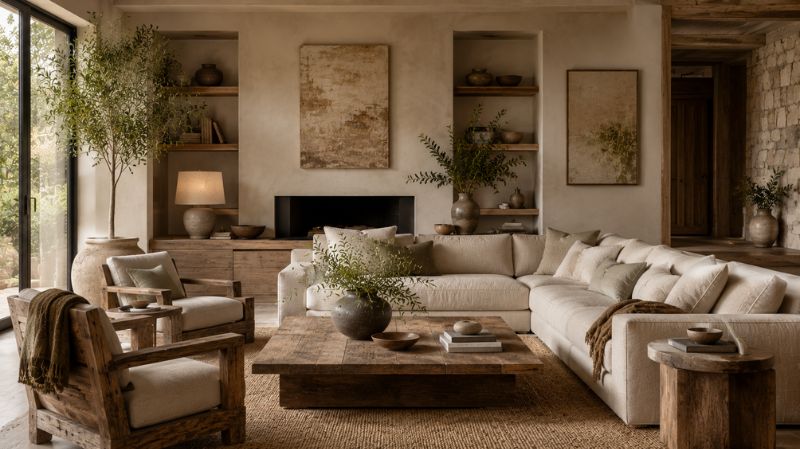
Sustainability has evolved from a niche concept into one of the defining luxury home decor trends. Today’s homeowners are prioritizing quality, longevity, and responsible purchasing over fast-changing styles.
Rather than replacing furniture every few years, many are investing in timeless pieces that can adapt as tastes evolve.
What Makes a Home More Sustainable?
Consider these practical upgrades:
- Solid wood furniture instead of particleboard
- Low-VOC paints for healthier indoor air
- Energy-efficient LED lighting
- Durable natural stone surfaces
- Reupholstering quality furniture
- Vintage and secondhand finds
- Recycled and renewable materials
Timeless Paint Colors for Long-Term Appeal
If you want your home to remain stylish for years, choose versatile colors such as:
- Warm White
- Cream
- Greige
- Mushroom
- Soft Olive
- Dusty Blue
These shades work with changing décor, making future updates easier and more affordable.
Practical Homeowner Advice
When renovating, focus your budget on permanent elements—flooring, cabinetry, lighting, and paint. Decorative accessories can be updated over time, but investing in durable foundations creates a home that remains functional and beautiful well beyond current trends.
What Are the Best Paint Colors for Today’s Interior Design Trends?
Paint is one of the most affordable and impactful ways to embrace the latest interior design trends without committing to a full renovation. The right wall color can transform a room, highlight architectural features, improve lighting, and create a cohesive connection between furniture, décor, and finishes.
For homeowners, selecting timeless colors with versatile undertones is often a better investment than following every seasonal trend. A well-chosen palette can adapt to changing furniture styles and accessories, keeping your home fresh for years.
Which Paint Colors Pair Best with Each Trend?
| Interior Design Trend | Recommended Paint Colors | Ideal Rooms | Coordinating Accents |
| Warm Earth Tones | Warm White, Greige, Mushroom, Sand Beige | Living Room, Bedroom | Oak, Walnut, Brass |
| Color Drenching | Olive Green, Navy, Chocolate Brown, Dusty Blue | Home Office, Dining Room | Linen, Leather, Matte Black |
| Natural Materials | Cream, Soft Taupe, Clay Beige | Living Room, Entryway | Stone, Woven Textures |
| Curved Furniture | Soft White, Pale Sage, Mushroom | Living Room | Bouclé, Travertine, Glass |
| Statement Ceilings | Sage, Dusty Blue, Terracotta | Dining Room, Bedroom | Brass Lighting |
| Wellness Design | Soft Green, Warm Beige, Muted Blue | Bedroom, Bathroom | Plants, Natural Wood |
| Mixed Metals | Warm White, Greige | Kitchen, Bathroom | Brass, Black, Nickel |
| Personalized Décor | Flexible Neutral Palette | Whole Home | Vintage Accessories |
| Sustainable Design | Cream, Mushroom, Olive | Entire Home | Reclaimed Wood, Linen |
How Does Color Psychology Influence Interior Design?
The colors surrounding us can subtly affect mood, perception, and the way a room feels. While individual preferences vary, many designers use color psychology to support the intended purpose of a space.
Warm Whites
Warm whites reflect light gently, making rooms feel bright without appearing sterile. They work well in open-concept homes and pair easily with almost any decorating style.
Best for: Living rooms, kitchens, hallways.
Earthy Greens
Inspired by nature, greens create a calming environment and blend beautifully with wood furniture and indoor plants.
Best for: Bedrooms, offices, reading nooks.
Greige
A balanced mix of gray and beige, greige remains one of the most versatile neutrals because it complements both warm and cool accents.
Best for: Entire home color schemes.
Terracotta
Terracotta introduces warmth, personality, and Mediterranean-inspired charm without overwhelming a room.
Best for: Dining rooms, powder rooms, accent walls.
Deep Blues
Navy and smoky blue create depth and sophistication while encouraging relaxation.
Best for: Home libraries, offices, bedrooms.
Designer Tip
Before purchasing gallons of paint, sample your top color choices on multiple walls. Observe them during morning, afternoon, and evening light to ensure they perform well under your home’s natural and artificial lighting conditions.
How Can You Apply These Interior Design Trends Room by Room?
Every room serves a different purpose, so the best interior design choices balance aesthetics with functionality. Instead of copying the same look throughout the house, tailor each space to how it is used while maintaining a consistent overall palette.
Living Room
The living room is often the heart of the home, making it an ideal place to introduce several of this year’s modern interior trends.
Recommended Features
- Curved sofa
- Layered lighting
- Natural wood coffee table
- Oversized artwork
- Indoor plants
- Textured rugs
Paint Inspiration
- Warm White
- Mushroom
- Soft Greige
- Olive Accent Wall
Color Pairing
- Walnut furniture
- Cream upholstery
- Brass lighting
- Linen curtains
The result is a welcoming space that feels sophisticated without sacrificing comfort.
Bedroom
Bedrooms should encourage rest, making wellness-focused design particularly important.
Recommended Features
- Upholstered headboard
- Layered bedding
- Soft lighting
- Relaxing artwork
- Natural textiles
Paint Inspiration
- Sage Green
- Warm Beige
- Dusty Blue
- Soft Clay
Designer Advice
Limit visual clutter by choosing a few meaningful accessories instead of filling every surface.
Kitchen
Today’s kitchens combine functionality with warmth. Painted cabinetry, mixed metals, and open shelving continue to gain popularity.
Recommended Features
- Brass cabinet hardware
- Wooden shelves
- Stone countertops
- Layered task lighting
- Statement pendants
Paint Inspiration
- Cream Cabinets
- Mushroom Island
- Warm White Walls
These combinations create a timeless kitchen that remains adaptable to future décor updates.
Bathroom
Bathrooms are increasingly designed to resemble spa retreats.
Recommended Features
- Floating vanity
- Natural stone
- Frameless mirror
- Matte fixtures
- Wooden accessories
Paint Inspiration
- Soft Green
- Warm White
- Pale Beige
Add greenery and plush towels to reinforce a calming atmosphere.
Dining Room
Dining rooms provide an opportunity to experiment with richer colors and bolder finishes.
Recommended Features
- Statement ceiling
- Large artwork
- Curved dining chairs
- Sculptural lighting
Paint Inspiration
- Deep Olive
- Terracotta
- Navy
Pair these colors with natural wood tables for warmth and balance.
Home Office
Remote work has made thoughtful office design more important than ever.
Recommended Features
- Ergonomic chair
- Adjustable lighting
- Color-drenched walls
- Minimal clutter
Paint Inspiration
- Olive Green
- Smoky Blue
- Warm Taupe
These colors help create a focused yet comfortable environment.
Entryway
The entryway establishes the first impression of your home.
Recommended Features
- Oversized mirror
- Bench seating
- Decorative lighting
- Wall art
- Indoor plants
Paint Inspiration
- Warm White
- Soft Beige
- Mushroom
A bright, uncluttered entryway immediately makes a home feel more welcoming.
What Common Interior Design Mistakes Should You Avoid?
Even beautiful trends can lose their impact if applied without careful planning. Understanding a few common mistakes can help you create a home that feels intentional and cohesive.
Following Every Trend at Once
Trying to incorporate every popular idea can make a space feel busy and inconsistent.
Better approach: Choose two or three trends that suit your home’s architecture and your lifestyle.
Ignoring Natural Light
Paint colors can appear dramatically different depending on a room’s orientation and available daylight.
Always test samples before making a final decision.
Choosing Paint Before Furniture
Furniture, flooring, and countertops are typically more expensive and difficult to replace than paint.
Start with your largest permanent pieces, then select paint colors that complement them.
Buying Low-Quality Furniture
Quality often matters more than quantity.
Investing in durable furniture saves money over time while creating a more refined interior.
Decorating Every Surface
Negative space is an important design element.
Leaving some areas intentionally uncluttered helps highlight meaningful décor and prevents visual overload.
Forgetting Functionality
Beautiful rooms should also support daily life.
Ask yourself:
- Is there enough storage?
- Is the lighting sufficient?
- Can people move comfortably through the room?
- Does the furniture suit the household’s needs?
Design should enhance everyday living—not complicate it.
How Can You Update Your Home Without a Major Renovation?
Refreshing your home doesn’t always require tearing down walls or replacing every piece of furniture. Many designer-inspired improvements are affordable and can be completed over a weekend.
Repaint the Walls
A fresh coat of paint is one of the highest-impact, lowest-cost home improvement projects.
Choose timeless colors that complement your existing furnishings rather than chasing short-lived trends.
Replace Decorative Hardware
Updating cabinet knobs, drawer pulls, and door handles can modernize kitchens, bathrooms, and furniture with minimal effort.
Mixed-metal finishes offer flexibility while adding visual interest.
Upgrade Lighting
Replacing outdated fixtures with layered lighting instantly improves both style and functionality.
Consider adding:
- Floor lamps
- Wall sconces
- Pendant lighting
- Under-cabinet LEDs
- Dimmer switches
Rearrange Existing Furniture
Sometimes the best improvement costs nothing.
Experiment with new layouts to improve conversation areas, traffic flow, and access to natural light.
Add Texture Instead of More Color
Texture often creates more visual richness than introducing additional colors.
Consider:
- Linen curtains
- Wool throws
- Woven baskets
- Ceramic vases
- Natural fiber rugs
Introduce Greenery
Indoor plants bring life, improve visual balance, and reinforce the connection to nature that defines many latest interior design trends.
Even a few well-placed plants can dramatically soften a room.
Designer Pro Tips for Creating a Timeless Home
Professional designers often focus on principles that outlast changing trends. These simple strategies can help your home remain stylish and functional for years.
- Build your design around a neutral foundation and update accessories seasonally.
- Layer different textures—such as wood, linen, stone, and metal—to create depth without adding clutter.
- Mix vintage pieces with modern furniture for a collected, lived-in look.
- Invest in quality flooring, lighting, and cabinetry before spending on decorative accessories.
- Repeat accent colors throughout your home to create visual continuity.
- Prioritize comfort alongside style when choosing seating and layouts.
Conclusion
The best interior design trends are those that make your home more comfortable, functional, and reflective of your personality, not simply those that dominate social media for a season. In 2026, designers are moving toward interiors that balance timeless style with everyday practicality. Warm earthy colors, layered lighting, natural materials, wellness-focused spaces, and sustainable choices are proving to be lasting investments rather than passing fads.
Whether you’re refreshing a single bedroom, renovating your kitchen, or redesigning your entire home, the key is to build a cohesive foundation. Start with quality materials, timeless furniture, and paint colors that work with your home’s lighting and architecture. Then add personality through artwork, textiles, vintage finds, and meaningful décor.
If you’re planning your next decorating project, start with the changes that deliver the biggest visual impact:
- Refresh your walls with timeless, designer-approved paint colors.
- Layer your lighting to create warmth and flexibility.
- Introduce natural textures like wood, linen, and stone.
- Mix modern pieces with vintage treasures for a personalized look.
- Focus on long-lasting improvements rather than short-lived trends.
Explore more expert guides for inspiration on paint colors, room styling, home décor, color combinations, furniture selection, and practical home improvement tips that help you create a stylish and welcoming home.
FAQs
1. What are the biggest interior design trends in 2026?
The biggest interior design trends in 2026 include warm earth-tone color palettes, color drenching, natural materials, curved furniture, statement ceilings, layered lighting, wellness-focused spaces, mixed metal finishes, personalized décor, and sustainable design. These trends prioritize comfort, functionality, and timeless appeal over short-lived fads, making them suitable for a wide range of homes and budgets.
2. Which interior design trends are going out of style?
Some previously popular trends are becoming less common, including all-gray interiors, overly minimalist spaces with little personality, matching every metal finish throughout a home, and mass-produced décor with no personal character. Instead, homeowners are choosing warmer paint colors, layered textures, handcrafted accessories, and thoughtfully collected furnishings that create a more inviting atmosphere.
3. What paint colors are trending for modern interiors?
Trending paint colors include warm white, greige, mushroom beige, olive green, sage green, terracotta, dusty blue, clay, and soft taupe. These shades pair well with natural wood, stone, linen, and brass accents while creating calming and versatile living spaces.
4. Is color drenching suitable for small rooms?
Yes. Color drenching can actually make small rooms appear more cohesive because it minimizes visual breaks between walls, ceilings, trim, and doors. Choosing medium or muted tones instead of extremely dark colors often provides the best balance of depth and openness.
5. How can I update my home without spending a lot of money?
Some of the most affordable upgrades include repainting walls, replacing cabinet hardware, updating lighting fixtures, rearranging furniture, adding textured textiles, incorporating indoor plants, and displaying meaningful artwork or vintage accessories. These improvements can dramatically refresh a room without requiring major renovations.
6. How do I choose the right paint color for my home?
Start by considering the room’s purpose, natural lighting, flooring, and existing furniture. Test several paint samples on different walls and observe them throughout the day. Selecting versatile neutral colors for large areas and introducing bolder shades through accents often provides the greatest long-term flexibility.
7. Are sustainable interior design choices worth the investment?
In many cases, yes. Durable furniture, low-VOC paints, natural materials, and energy-efficient lighting often last longer, reduce maintenance, and improve indoor comfort. While some sustainable products have a higher upfront cost, they can offer better long-term value through durability and timeless design.
8. What is the easiest interior design trend to incorporate?
Refreshing your wall color is usually the simplest and most cost-effective way to update a room. Pairing a fresh paint color with improved lighting, layered textiles, and a few natural materials can significantly change the look and feel of your home without replacing major furniture pieces.
9. How can I make my home look luxurious without a luxury budget?
Focus on quality over quantity. Choose timeless paint colors, declutter surfaces, layer different textures, upgrade lighting, mix vintage pieces with modern furnishings, and invest in a few statement accessories rather than filling every corner with décor. A cohesive design often looks more luxurious than an expensive collection of unrelated items.
10. Which interior design trend will stay popular the longest?
Natural materials, warm neutral paint colors, layered lighting, sustainable furniture, personalized décor, and wellness-focused design are expected to remain popular because they are based on functionality and timeless appeal rather than seasonal fashion. These elements adapt easily to changing decorating styles, making them smart long-term investments.