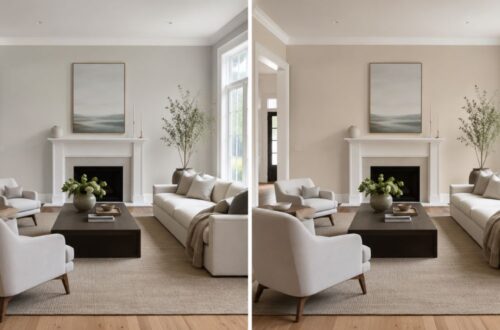
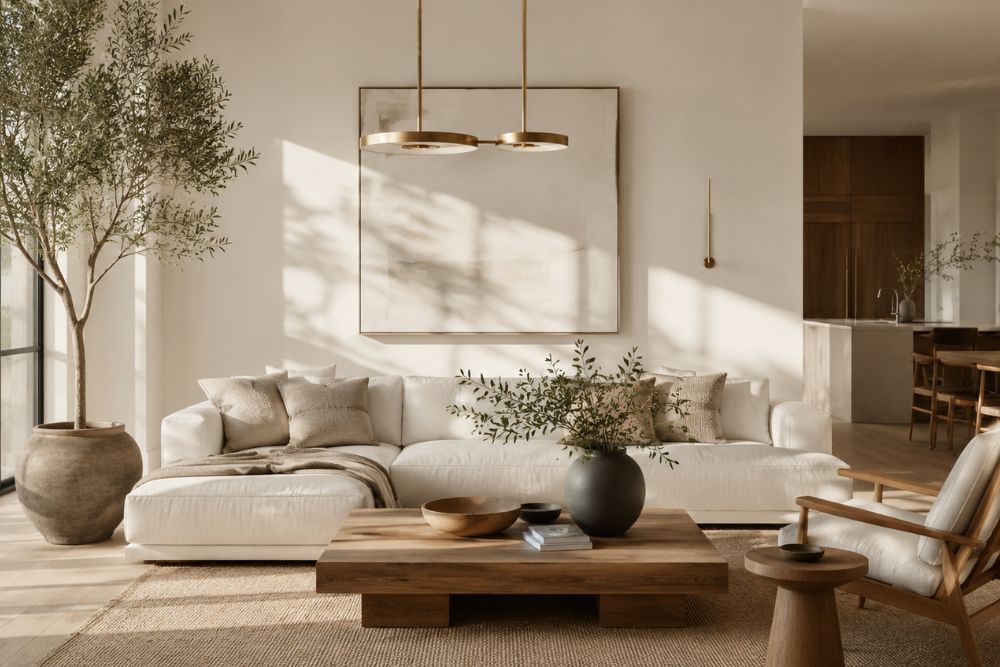
Sherwin Williams Shoji White (SW 7042) is a warm off-white paint color with soft greige undertones and a Light Reflectance Value (LRV) of 74. It creates a cozy, welcoming look without appearing overly yellow or stark, making it one of the most versatile warm white paint colors for walls, cabinets, trim, and open-concept living spaces.
If you’re looking for a white paint that feels warm, timeless, and adaptable in different lighting conditions, Shoji White is an excellent choice. It pairs beautifully with natural wood, warm neutrals, black accents, brass hardware, and modern farmhouse, Japandi, Scandinavian, transitional, and organic modern interiors.
Why Is Sherwin Williams Shoji White So Popular?
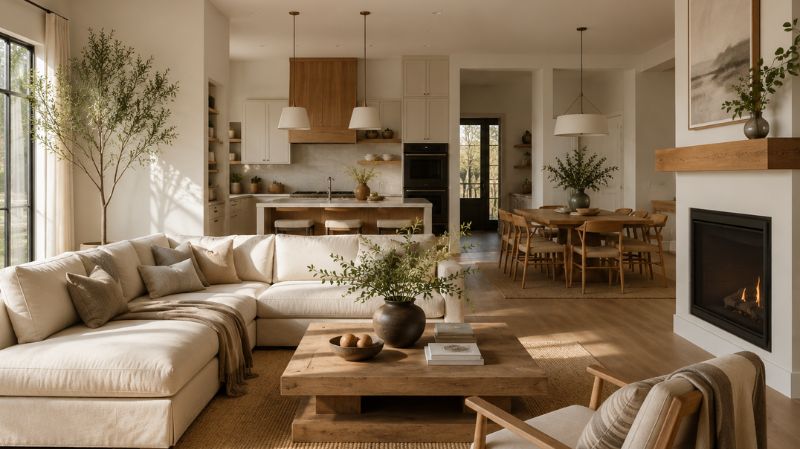
Choosing the perfect white paint sounds easy—until you realize there are hundreds of shades, each with different undertones, brightness levels, and lighting behavior. A paint color that looks crisp in one home may appear creamy or gray in another.
That is exactly why Sherwin Williams Shoji White continues to be one of the most recommended warm white paint colors among homeowners, interior designers, and remodeling professionals.
Unlike bright whites that can sometimes feel sterile, Shoji White introduces subtle warmth while maintaining a clean, sophisticated appearance. It works exceptionally well in both traditional and contemporary homes, helping create spaces that feel brighter without becoming cold or overly clinical.
Whether you’re renovating an older home, designing a modern farmhouse kitchen, refreshing a living room, or updating cabinetry, Shoji White offers remarkable flexibility across a wide range of residential applications.
Quick Overview of Shoji White (SW 7042)
| Feature | Details |
| Paint Name | Shoji White |
| Brand | Sherwin Williams |
| Paint Code | SW 7042 |
| Color Family | Warm White / Off-White |
| LRV | 74 |
| Undertones | Greige with subtle beige and soft taupe influences |
| Best For | Walls, Cabinets, Trim, Bedrooms, Living Rooms, Kitchens, Exteriors |
| Design Styles | Farmhouse, Japandi, Scandinavian, Organic Modern, Transitional, Traditional |
| Pairs Best With | White Oak, Walnut, Brass, Matte Black, Sage Green, Charcoal, Soft Beige |
What Is Sherwin Williams Shoji White?
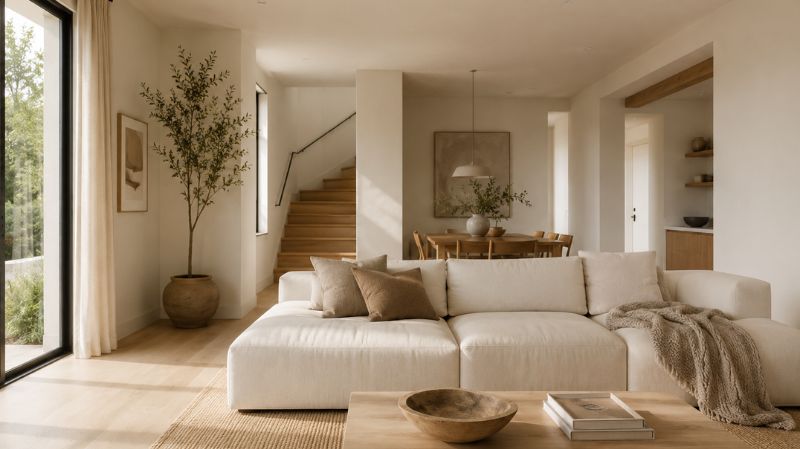
Sherwin Williams Shoji White (SW 7042) is a warm off-white paint that sits between white and light greige. Rather than reading as a bright, crisp white, it introduces gentle warmth that makes interiors feel comfortable and inviting.
Its popularity comes from its ability to soften a room without making it look yellow or overly beige. Depending on lighting and surrounding materials, Shoji White can appear as:
- Soft creamy white
- Warm off-white
- Light greige
- Pale beige-white
- Muted warm neutral
This flexibility makes it suitable for a wide range of homes—from newly built contemporary spaces to classic cottages and renovated family homes.
Unlike many warm whites that lean strongly yellow, Shoji White maintains a more balanced appearance, making it easier to coordinate with flooring, furniture, cabinetry, and architectural finishes.
Why Do Homeowners Love Shoji White?
Homeowners often struggle to find a paint color that feels warm without looking dated. Bright whites can create a clean aesthetic but sometimes make rooms feel stark, especially in spaces with cool natural light.
Shoji White offers a practical middle ground.
Many homeowners choose it because it:
- Creates a cozy atmosphere
- Softens harsh daylight
- Complements natural wood flooring
- Works with modern and traditional décor
- Doesn’t overwhelm small spaces
- Adds warmth without excessive creaminess
- Coordinates with many cabinet colors
- Looks beautiful throughout the year
For families updating older interiors, Shoji White often helps modernize a home without sacrificing warmth.
What Are the Paint Specifications of Shoji White?
Understanding paint specifications helps predict how a color will behave inside your home.
Basic Color Information
| Specification | Value |
| Name | Shoji White |
| Paint Number | SW 7042 |
| Manufacturer | Sherwin Williams |
| Color Collection | Neutral Whites |
| LRV | 74 |
| Finish Options | Flat, Matte, Eggshell, Satin, Semi-Gloss |
Light Reflectance Value (LRV)
One of the most important numbers when selecting paint is the Light Reflectance Value (LRV).
Shoji White has an LRV of 74, meaning it reflects approximately 74% of available light.
In practical terms, this means:
- Brighter than beige
- Softer than bright white
- Doesn’t make rooms feel dark
- Helps reflect natural daylight
- Adds warmth while maintaining openness
For comparison:
| Paint Color | LRV |
| Extra White | 86 |
| Pure White | 84 |
| Alabaster | 82 |
| Shoji White | 74 |
| Accessible Beige | 58 |
This places Shoji White in the ideal range for homeowners wanting a light interior that still feels grounded and comfortable.
What Undertones Does Shoji White Have?
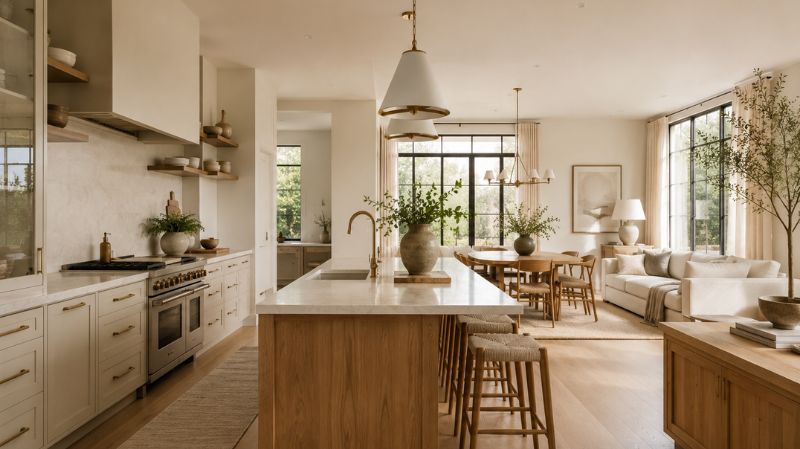
One of the most common questions homeowners ask is:
“What undertones does Shoji White actually have?”
The answer depends largely on lighting and surrounding finishes, but generally Shoji White features:
- Soft greige undertones
- Light beige warmth
- Gentle taupe influence
- Extremely subtle pink notes under certain conditions
Unlike many warm whites, it rarely appears strongly yellow.
Instead, the undertones remain understated, allowing the paint to adapt to various environments without dominating the room.
Because of this balanced composition, many designers consider Shoji White one of the easiest warm neutrals to decorate around.
Does Shoji White Look Gray?
Sometimes—but only slightly.
In rooms with:
- Northern exposure
- Cooler LED lighting
- Gray flooring
- Cloudy weather
Shoji White may reveal a faint greige appearance.
However, it generally remains much warmer than traditional gray paint colors.
Does Shoji White Look Cream?
Yes.
In homes featuring:
- Warm wood floors
- South-facing windows
- Incandescent or warm LED bulbs
- Brass fixtures
- Beige furnishings
Shoji White often reads as a beautiful creamy white without becoming yellow.
This adaptability explains why it’s frequently recommended for cozy, welcoming interiors.
Is Shoji White Warm or Cool?
Shoji White is unmistakably a warm white paint color.
However, its warmth is refined rather than overpowering.
Instead of strong yellow or orange undertones, Shoji White relies on subtle greige influences to create warmth.
This balanced profile makes it suitable for:
- Modern homes
- Farmhouses
- Transitional interiors
- Luxury residences
- Scandinavian-inspired spaces
- Japandi designs
Because the warmth is gentle, it rarely clashes with other neutral finishes.
How Does Lighting Affect Shoji White?
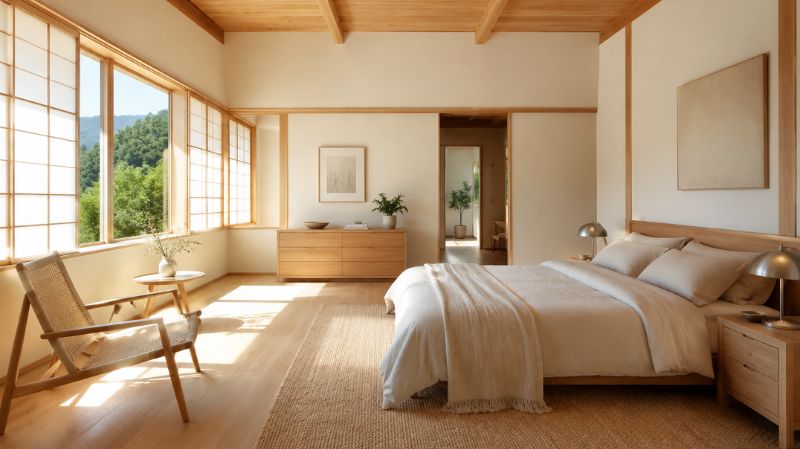
Lighting has one of the biggest impacts on how Shoji White appears throughout the day.
Understanding this behavior helps homeowners avoid surprises after painting.
North-Facing Rooms
North-facing rooms receive cooler daylight.
Here, Shoji White may appear:
- Slightly greige
- Soft neutral
- Less creamy
- Calm and understated
Even under cool light, it generally avoids looking icy.
South-Facing Rooms
South-facing rooms receive abundant warm sunlight.
Here Shoji White becomes:
- Creamier
- Softer
- Warmer
- More inviting
This is one reason many homeowners choose it for large family rooms and kitchens.
East-Facing Rooms
Morning sunlight creates a warm glow.
Shoji White often appears:
- Fresh
- Warm
- Light cream
- Airy
Later in the afternoon, it becomes more neutral.
West-Facing Rooms
Afternoon sun intensifies warm undertones.
Expect:
- Rich warmth
- Soft beige influence
- Cozy atmosphere
- Elegant evening appearance
This makes Shoji White an excellent choice for living rooms where families gather after work.
Life Example: A Warm White Transformation
Imagine a family renovating a 15-year-old suburban home with medium oak flooring, white trim, and abundant south-facing windows. Their original bright white walls felt stark and made the living spaces seem less inviting, especially during the evening.
After testing several warm whites, they selected Sherwin Williams Shoji White for the main living room, kitchen, and hallway. Because of its LRV of 74 and balanced greige undertones, the walls reflected natural daylight while introducing a softer, more comfortable ambiance. Existing oak floors looked richer, black metal lighting fixtures stood out elegantly, and neutral furniture blended seamlessly with the updated color palette.
The result was a home that felt brighter, warmer, and more cohesive—without the yellow cast that can occur with some cream-based whites. This example reflects a common reason homeowners choose Shoji White: it enhances everyday living spaces while working with existing finishes instead of competing against them.
Why Interior Designers Recommend Shoji White
Professional designers frequently recommend Shoji White because it balances warmth, versatility, and longevity. Paint trends may shift from year to year, but neutral whites with subtle greige undertones tend to remain relevant across changing furniture styles and décor preferences. A warm white like Shoji White also supports biophilic and nature-inspired interiors by pairing effortlessly with natural wood, stone, linen, woven textures, and indoor greenery.
From a design perspective, using a flexible neutral on walls allows homeowners to update furniture, artwork, rugs, and accent colors over time without repainting. This makes Shoji White a smart long-term investment for both renovations and new construction projects.
Best Coordinating Colors for Shoji White
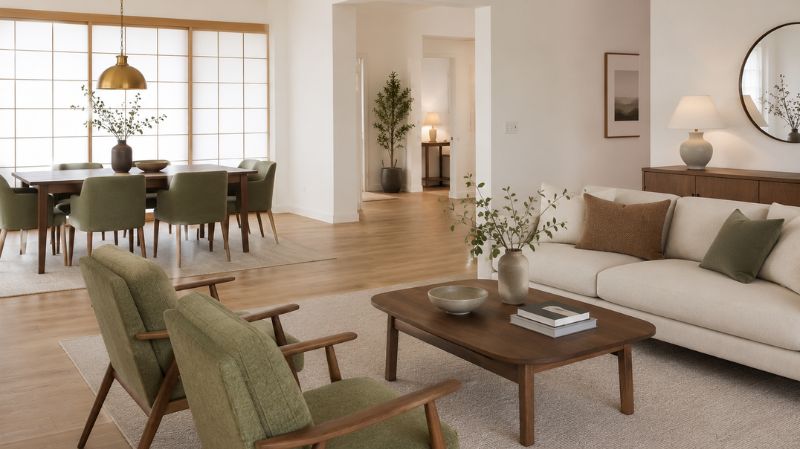
One of the biggest advantages of Sherwin Williams Shoji White is its flexibility. Unlike whites that lean heavily yellow or gray, Shoji White sits comfortably in the middle, making it easy to coordinate with dozens of paint colors, flooring materials, furniture finishes, and decorative accents.
Whether you’re remodeling a kitchen, refreshing a bedroom, or designing an open-concept home, choosing complementary colors will help Shoji White look intentional and balanced.
Comparison: Best Colors That Pair with Shoji White
| Color Category | Best Pairings | Best Uses |
| Crisp White | Pure White, Extra White | Trim, ceilings, doors |
| Soft White | Alabaster, Greek Villa | Whole-house palettes |
| Warm Neutral | Accessible Beige, Natural Choice | Open floor plans |
| Greige | Agreeable Gray, Edgecomb Gray | Adjacent rooms, cabinets |
| Green | Sage, Olive, Evergreen Fog | Accent walls, décor |
| Blue | Navy, Dusty Blue, Slate | Bedrooms, offices |
| Earth Tone | Terracotta, Clay, Taupe | Living rooms |
| Dark Contrast | Iron Ore, Tricorn Black | Hardware, doors, built-ins |
What Trim Colors Look Best with Shoji White?
Trim color can completely change how Shoji White appears on your walls.
Pure White for a Soft Contrast
If you want a subtle distinction between walls and trim, Sherwin Williams Pure White is one of the safest choices. It brightens architectural details without creating a harsh contrast.
Best for:
- Modern homes
- Farmhouse interiors
- Transitional spaces
- Open-concept layouts
Alabaster for a Seamless Look
Using Alabaster on trim creates a gentle, layered appearance that feels elegant and timeless.
Ideal if you want:
- Soft transitions
- Relaxed interiors
- Warm color palettes
Extra White for Modern Contrast
Extra White creates more definition around windows and doors.
Choose this when:
- Rooms receive plenty of natural light.
- You prefer contemporary interiors.
- You want architectural features to stand out.
Which Neutral Paint Colors Coordinate with Shoji White?
Warm neutrals create depth without competing with Shoji White.
Excellent options include:
- Accessible Beige
- Agreeable Gray
- Natural Choice
- Edgecomb Gray
- Balanced Beige
- Canvas Tan
These colors work especially well in adjacent rooms, creating smooth visual transitions throughout the home.
What Accent Colors Complement Shoji White?
Because Shoji White is understated, it allows accent colors to shine.
Sage Green
Sage adds a calming, organic feel and pairs beautifully with natural wood furniture.
Perfect for:
- Kitchens
- Bedrooms
- Reading nooks
Olive Green
Olive creates warmth and richness.
Works beautifully with:
- Brass lighting
- Walnut furniture
- Linen textiles
Navy Blue
Navy introduces timeless sophistication.
Ideal for:
- Built-ins
- Accent walls
- Dining rooms
- Home offices
Terracotta
Terracotta brings earthy warmth that complements Shoji White’s greige undertones.
Pair it with:
- Clay pottery
- Leather furniture
- Natural jute rugs
Charcoal & Black
Dark accents provide visual balance.
Use them in:
- Window frames
- Cabinet hardware
- Fireplace surrounds
- Light fixtures
Which Wood Tones Work Best with Shoji White?
Wood is one of Shoji White’s strongest companions.
White Oak
Creates a bright Scandinavian aesthetic.
Walnut
Adds richness and contrast.
Medium Oak
Produces a classic family-home appearance.
Reclaimed Wood
Perfect for farmhouse and rustic interiors.
Dark-Stained Wood
Introduces dramatic contrast while maintaining warmth.
Is Shoji White a Good Cabinet Color?
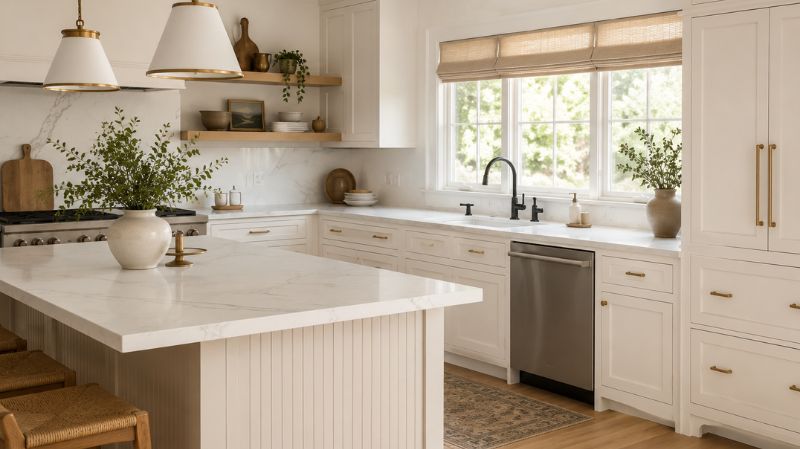
Absolutely, many homeowners searching for a timeless cabinet finish choose Shoji White because it feels softer than bright white while remaining light enough to keep kitchens airy.
Benefits include:
- Doesn’t appear sterile
- Hides minor dust better than bright white
- Complements natural stone countertops
- Works with both traditional and modern cabinetry
- Ages gracefully as trends evolve
For anyone researching a Shoji White paint color review, cabinets are consistently one of its highest-rated applications thanks to this balance of warmth and versatility.
Which Countertops Pair Best with Shoji White Cabinets?
The right countertop enhances Shoji White’s subtle undertones rather than competing with them.
Quartz
Excellent choices include:
- White quartz with soft gray veining
- Warm ivory quartz
- Cream quartz
These maintain a clean, upscale appearance.
Marble
Carrara and Calacatta marble both work beautifully, especially in luxury kitchens.
Granite
Look for:
- River White
- Colonial White
- Alaska White
Avoid heavily yellow granite if you want Shoji White to remain balanced.
Butcher Block
Natural butcher block instantly creates warmth.
This pairing is especially popular in:
- Farmhouse kitchens
- Cottage homes
- Scandinavian interiors
Which Backsplash Looks Best with Shoji White?
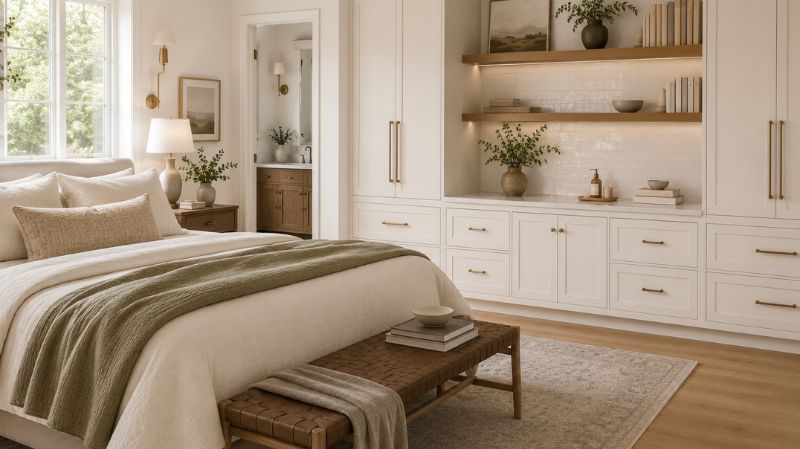
A backsplash should enhance—not overpower—the cabinetry.
Popular choices include:
Classic Subway Tile
Still one of the most timeless options.
Handmade Zellige Tile
Adds texture while maintaining neutrality.
Natural Stone
Travertine and limestone pair especially well.
Vertical Stacked Tile
Offers a modern update without becoming trendy.
What Cabinet Hardware Complements Shoji White?
Hardware can dramatically influence the overall style of your kitchen.
Best finishes include:
- Matte Black
- Brushed Brass
- Satin Nickel
- Bronze
- Champagne Bronze
These finishes create contrast while emphasizing Shoji White’s warmth.
Which Kitchen Styles Work Best with Shoji White?
Shoji White adapts beautifully across many kitchen designs.
Modern Farmhouse
Combine with:
- White oak shelves
- Black pendants
- Apron sink
- Brass hardware
Organic Modern
Include:
- Stone countertops
- Minimal décor
- Warm wood
- Soft textiles
Scandinavian
Focus on:
- Simple cabinetry
- Light wood flooring
- Neutral furniture
- Plenty of natural light
Transitional
Blend:
- Traditional cabinet profiles
- Contemporary lighting
- Neutral paint palette
- Mixed metal finishes
How Does Shoji White Look in a Living Room?
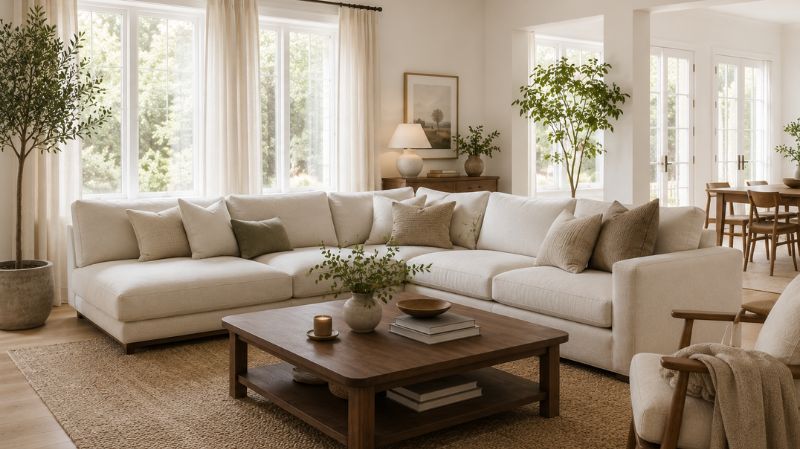
A Shoji White living room feels warm, welcoming, and adaptable throughout the day. Instead of reflecting harsh brightness, the color softens sunlight and creates a relaxed backdrop for everyday living.
This makes it ideal for:
- Family rooms
- Open-concept homes
- Formal living rooms
- Apartments
- Condominiums
Best Furniture Colors
Shoji White pairs well with:
- Beige sofas
- Cream sectionals
- Camel leather chairs
- Olive accent chairs
- Charcoal sofas
- Light gray upholstery
Coffee Tables
Choose natural materials like:
- White oak
- Walnut
- Travertine
- Marble
- Black metal frames
Area Rugs
Popular options include:
- Cream wool rugs
- Vintage Persian rugs
- Jute rugs
- Neutral geometric patterns
Curtains
Soft fabrics enhance the warmth of Shoji White.
Recommended colors:
- Ivory
- Flax linen
- Oatmeal
- Warm beige
- Natural linen
Is Shoji White Good for Bedrooms?
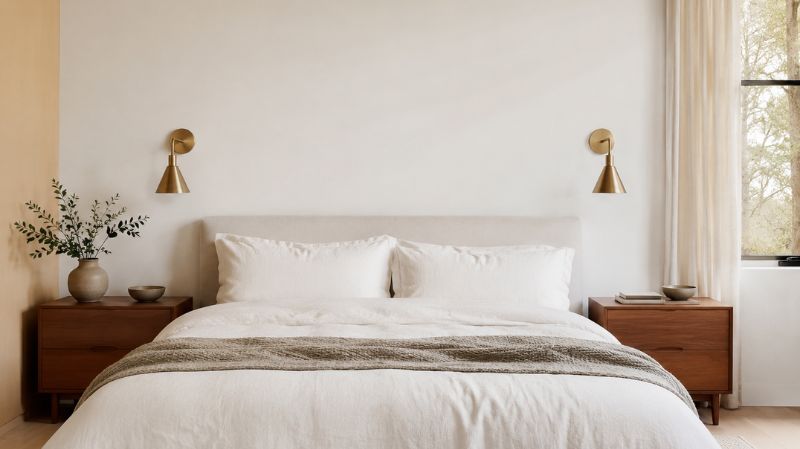
Yes, bedrooms benefit from calming colors that encourage relaxation, and Shoji White delivers exactly that.
Its warm undertones help create a peaceful environment without feeling dull.
Pair It With
- White bedding
- Linen throws
- Walnut nightstands
- Brass sconces
- Soft green plants
This combination produces a cozy retreat suitable for both modern and traditional homes.
Does Shoji White Work in Bathrooms?
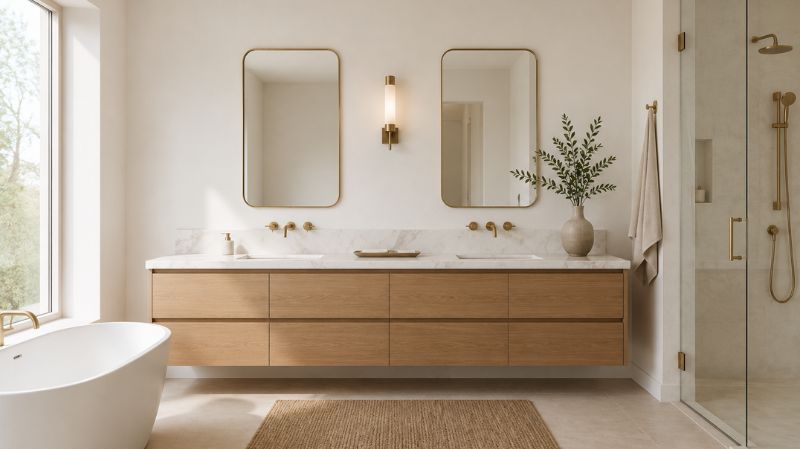
Many homeowners overlook warm whites in bathrooms, assuming bright whites are the only option.
Shoji White proves otherwise.
Its warmth softens hard surfaces like tile, mirrors, and stone, making bathrooms feel more spa-like.
Best Vanity Colors
- Sage Green
- Navy Blue
- White Oak
- Charcoal Gray
Recommended Tile
- White subway tile
- Marble-look porcelain
- Warm limestone
- Matte ceramic
Fixtures
- Brushed brass
- Matte black
- Polished nickel
Is Shoji White Suitable for Dining Rooms?
Absolutely, dining rooms benefit from warm colors that encourage conversation and comfort.
Shoji White creates an inviting atmosphere while allowing artwork, lighting, and wood furniture to become the focal point.
Designer tip:
Add a large wooden dining table with upholstered chairs to create a balanced, timeless space.
Should You Use Shoji White in an Entryway?
Entryways establish the first impression of your home.
Shoji White makes entrances feel:
- Larger
- Brighter
- Cleaner
- More welcoming
Complete the look with:
- Black console table
- Round mirror
- Woven baskets
- Indoor greenery
Is Shoji White a Good Choice for a Home Office?
As remote work continues to influence home design, paint color plays a role in focus and comfort.
Shoji White offers a neutral backdrop that reduces visual clutter while maintaining warmth.
Pair it with:
- Oak desk
- Black shelving
- Linen curtains
- Leather office chair
This combination creates a productive yet comfortable workspace.
What Flooring Looks Best with Shoji White?
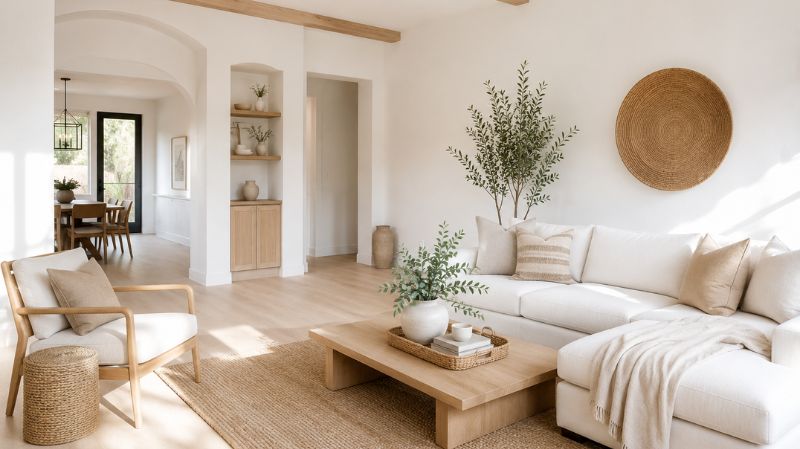
Flooring significantly affects how wall paint is perceived.
Fortunately, Shoji White complements many flooring types.
Hardwood
Top choices include:
- White Oak
- European Oak
- Walnut
- Hickory
Luxury Vinyl Plank (LVP)
Select warm-toned planks rather than cool gray options.
Good choices:
- Natural Oak
- Honey Oak
- Warm Walnut
Tile Flooring
Beautiful options include:
- Travertine
- Limestone
- Marble-look porcelain
- Warm concrete-look tile
Carpet
Neutral carpet colors include:
- Oatmeal
- Sand
- Greige
- Light Taupe
What Furniture and Décor Match Shoji White?
Shoji White acts as a flexible canvas for nearly every decorating style.
Furniture
Choose pieces made from:
- Oak
- Walnut
- Cane
- Rattan
- Leather
- Bouclé upholstery
Accent Pieces
Add warmth through:
- Woven baskets
- Ceramic vases
- Linen pillows
- Wool throws
- Natural stone accessories
Metal Finishes
Shoji White works beautifully with:
- Brass
- Bronze
- Matte Black
- Satin Nickel
Color Psychology: How Does Shoji White Influence a Space?
Color psychology suggests that warm whites contribute to feelings of comfort, calm, and emotional balance. Shoji White supports these qualities by combining the openness of white with the grounding effect of soft greige undertones.
In practical home design, this makes it well suited for spaces where people gather, relax, or work. Living rooms feel more inviting, bedrooms become more restful, and kitchens gain a welcoming atmosphere without sacrificing brightness. Because the color is understated, it also reduces visual fatigue and allows furniture, artwork, and natural materials to become the focal points of the room.
For homeowners seeking a timeless backdrop that supports both everyday living and evolving décor trends, Shoji White offers a thoughtful balance between style and comfort.
Does Shoji White Work Well for Exterior Paint?
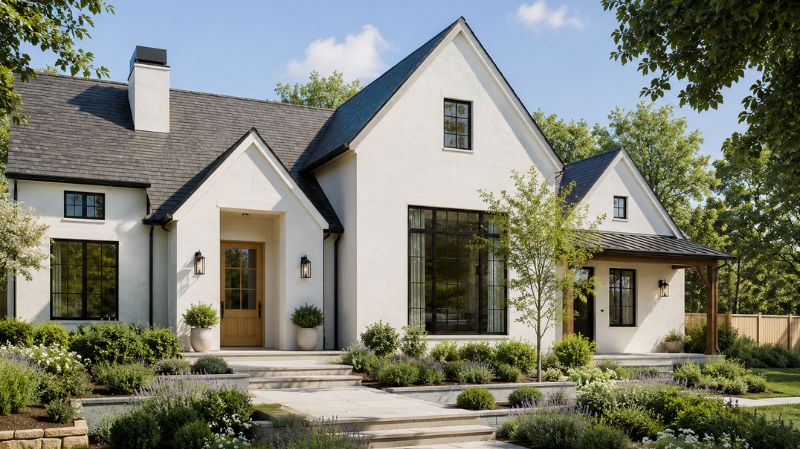
Yes. Sherwin Williams Shoji White is an excellent exterior paint choice for homeowners who want a warm, welcoming appearance instead of a bright, stark white façade. Its soft greige undertones help it blend beautifully with natural surroundings while maintaining a clean and timeless curb appeal.
Unlike cooler whites that may appear bluish outdoors, Shoji White reflects sunlight in a balanced way. In full sun, it looks like a warm creamy white, while on cloudy days or in shaded areas, its subtle greige undertones become more noticeable.
Best Home Styles for Shoji White Exteriors
Shoji White complements a wide variety of architectural styles, including:
- Modern Farmhouse
- Craftsman
- Cottage
- Traditional
- Colonial
- Coastal
- Transitional
- Scandinavian-inspired homes
Its versatility allows homeowners to update older exteriors without making them look overly modern or trendy.
What Roof Colors Pair Best with Shoji White?
The roof is one of the largest visual elements of any home’s exterior, so choosing a complementary color is essential.
Charcoal Gray Roof
A charcoal roof creates a sophisticated contrast that highlights Shoji White’s warmth without overpowering it.
Best for:
- Farmhouses
- Contemporary homes
- Transitional architecture
Medium Gray Roof
Medium gray provides a softer, more balanced appearance that works well in suburban neighborhoods.
Brown Roof
Homes with warm brown shingles pair naturally with Shoji White because both colors share earthy undertones.
Black Roof
A matte black roof creates dramatic curb appeal while keeping the overall palette timeless.
Which Front Door Colors Look Best with Shoji White?
A thoughtfully chosen front door color adds personality and enhances curb appeal.
Matte Black
Creates a clean, modern contrast.
Perfect for:
- Farmhouses
- Contemporary homes
- Traditional homes
Deep Navy
Adds elegance while remaining classic.
Forest Green
Creates an organic look that blends beautifully with landscaping.
Warm Wood Stain
Natural wood doors pair exceptionally well with Shoji White, reinforcing an inviting and timeless exterior.
Muted Sage
Ideal for cottage-style and coastal-inspired homes.
What Exterior Trim Colors Coordinate with Shoji White?
Choosing the right trim color depends on whether you prefer subtle or bold contrast.
Best Options Include
- Sherwin Williams Pure White
- Sherwin Williams Extra White
- Sherwin Williams Alabaster
For shutters and architectural details, darker colors such as Iron Ore or Tricorn Black create striking definition.
Does Shoji White Work with Brick and Stone?
Absolutely.
One of Shoji White’s greatest strengths is its compatibility with natural building materials.
It pairs beautifully with:
- Whitewashed brick
- Red brick
- Limestone
- Fieldstone
- Natural stacked stone
- Sandstone
- Warm concrete
Because Shoji White contains balanced warm undertones, it doesn’t compete with the natural variation found in masonry materials.
Shoji White vs. Alabaster: Which Is Better?
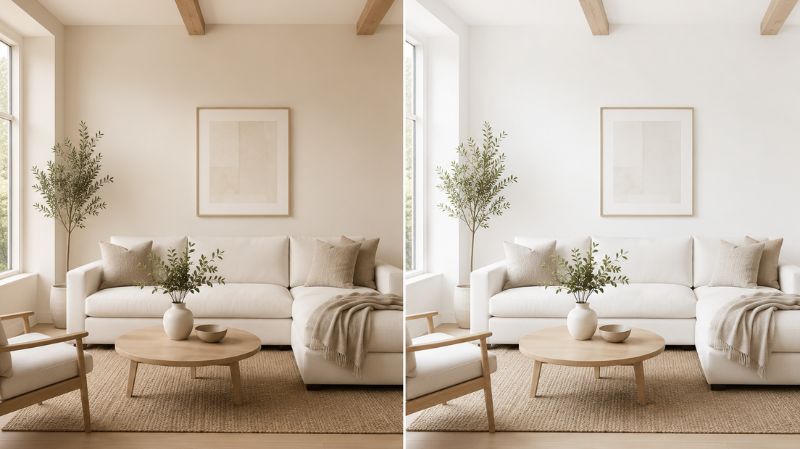
Both colors are among Sherwin Williams’ most popular warm whites, but they create different moods.
Comparison
| Feature | Shoji White | Alabaster |
| LRV | 74 | 82 |
| Overall Look | Warm Off-White | Soft Creamy White |
| Undertones | Greige, Beige | Cream, Soft Yellow |
| Brightness | Medium | Higher |
| Best For | Cozy interiors | Bright interiors |
| Modern Appeal | Excellent | Excellent |
Choose Shoji White If You Want
- More depth
- Softer warmth
- Better compatibility with wood tones
- A slightly richer appearance
Choose Alabaster If You Want
- A brighter room
- More traditional creamy white walls
- Maximum light reflection
Which Paint Color Should You Choose?
Your decision ultimately depends on your home’s architecture, lighting, existing finishes, and personal style.
Choose Shoji White if you want:
- Warm but not yellow walls
- Excellent versatility
- Whole-house continuity
- Natural wood compatibility
- Modern farmhouse appeal
- Organic modern interiors
- Cozy yet bright spaces
Choose another option if:
- You want a bright gallery-style white (Extra White or Pure White).
- You prefer a distinctly creamy white (Alabaster or Swiss Coffee).
- You’re looking for a richer greige (Accessible Beige or Pale Oak).
Common Mistakes to Avoid When Using Shoji White
Even one of the most forgiving paint colors can disappoint if used incorrectly. Avoid these common pitfalls to ensure Shoji White performs at its best.
1. Skipping Paint Samples
Paint colors can change dramatically depending on lighting, flooring, and surrounding finishes. Testing peel-and-stick or painted samples on multiple walls is the easiest way to avoid costly repainting.
Designer Tip: View samples in the morning, afternoon, evening, and under artificial lighting before making your final decision.
2. Ignoring Undertones in Existing Finishes
Shoji White’s warm greige undertones may clash with cool blue-gray flooring, icy white countertops, or stark white cabinetry.
Instead, compare your paint sample against:
- Flooring
- Countertops
- Tile
- Furniture
- Cabinet finishes
- Window treatments
A cohesive palette always feels more intentional.
3. Choosing the Wrong Light Bulbs
Lighting can make Shoji White look creamier or more neutral.
For the most balanced appearance:
- 2700K–3000K LEDs: Warm, cozy glow (recommended)
- 3500K LEDs: Neutral appearance
- 4000K+ LEDs: Can emphasize gray undertones and reduce warmth
Matching your lighting temperature to your design goals is just as important as selecting the paint itself.
4. Pairing with the Wrong Flooring
Cool gray floors can make Shoji White appear flatter or slightly muted.
For the most harmonious look, choose:
- White oak
- European oak
- Warm walnut
- Natural hickory
- Warm-toned luxury vinyl plank
These materials reinforce the paint’s welcoming character and create a timeless foundation.
5. Using Too Many Competing Warm Colors
Shoji White already introduces subtle warmth. Pairing it with overly yellow walls, orange-toned woods, or saturated cream accents can make a space feel heavy.
Balance the palette with:
- Crisp white trim
- Matte black hardware
- Soft sage accents
- Neutral linen textiles
- Stone or concrete accessories
Layering warm and cool textures creates visual depth without overwhelming the room.
Expert Painting Tips for the Best Results
A high-quality paint job is about more than selecting the right color. Proper preparation and application help Shoji White achieve its full potential.
Prepare the Surface Thoroughly
- Repair cracks and nail holes.
- Clean walls to remove dust and grease.
- Sand glossy surfaces for better adhesion.
- Prime patched areas or dramatic color changes.
A smooth surface allows the paint’s soft undertones to appear even and consistent.
Choose the Right Finish
Different finishes serve different purposes:
| Surface | Recommended Finish |
| Walls | Matte or Eggshell |
| Living Rooms | Eggshell |
| Kitchens | Satin |
| Bathrooms | Satin |
| Cabinets | Satin or Semi-Gloss |
| Trim & Doors | Semi-Gloss |
Using the correct sheen improves durability while enhancing the overall appearance.
Paint Large, Connected Spaces Together
If you’re using Shoji White throughout an open floor plan, paint connected walls at the same time. This minimizes subtle differences that can occur between paint batches and ensures a seamless look.
Sample Before You Commit
Never rely solely on digital images or paint chips. Colors behave differently depending on room orientation, natural light, and surrounding décor.
Testing samples in your own home remains the most reliable way to confirm that Shoji White matches your vision.
Pros and Cons of Sherwin Williams Shoji White
Pros
- Warm and inviting without looking yellow
- Versatile across many interior design styles
- Works beautifully with natural wood finishes
- Excellent for open-concept homes
- Complements black, brass, and nickel hardware
- Suitable for walls, cabinets, trim, and exteriors
- Timeless rather than trend-driven
- Coordinates with a wide range of furniture and décor
Cons
- Can reveal subtle greige undertones in cooler lighting
- May not suit homes seeking a bright, crisp white aesthetic
- Requires testing with existing flooring and countertops to ensure harmony
- Warm LED lighting is recommended to showcase its best qualities
Conclusion
If you’re searching for a warm white paint that feels timeless, inviting, and versatile, Sherwin Williams Shoji White (SW 7042) deserves a place at the top of your shortlist. Its balanced greige undertones, LRV of 74, and ability to adapt to different lighting conditions make it one of the most dependable paint colors for today’s homes.
Unlike stark whites that can feel cold or overly bright, Shoji White introduces subtle warmth while maintaining a light, airy appearance. Whether you’re updating a cozy cottage, designing a modern farmhouse, refreshing a traditional home, or creating a Japandi-inspired retreat, this color offers the flexibility to evolve with your décor over time.
One of Shoji White’s greatest strengths is that it works well beyond walls. It creates beautiful kitchen cabinets, welcoming living rooms, peaceful bedrooms, elegant bathrooms, cohesive open-concept layouts, and even attractive home exteriors. It also pairs effortlessly with natural wood flooring, quartz countertops, stone fireplaces, brass hardware, matte black accents, and neutral furnishings.
From a home improvement perspective, selecting a versatile wall color can increase long-term satisfaction because it reduces the need for frequent repainting as furniture, décor, and design trends change. Shoji White provides a timeless backdrop that allows homeowners to refresh a room simply by changing textiles, artwork, lighting, or accent colors rather than starting another painting project.
Frequently Asked Questions
1. Is Sherwin Williams Shoji White a warm or cool paint color?
Shoji White is a warm off-white with balanced greige undertones. It doesn’t lean heavily toward yellow, making it feel softer and more neutral than many traditional cream paint colors. Its warmth helps create inviting interiors while remaining versatile enough for modern and traditional homes.
2. What undertones does Shoji White have?
Shoji White features subtle greige, beige, and light taupe undertones. In warm natural light, it often appears creamy, while in cooler north-facing rooms or under cool LED lighting, it may reveal a slightly greige appearance. These undertones remain understated, making it one of the easier warm whites to coordinate with flooring, cabinetry, and furniture.
3. What is the LRV of Shoji White?
Shoji White has a Light Reflectance Value (LRV) of 74. This means it reflects approximately 74% of available light, helping rooms feel bright and open without the starkness associated with high-LRV bright whites. It strikes a comfortable balance between light reflection and warmth.
4. Is Shoji White a good color for kitchen cabinets?
Yes. Shoji White is an excellent cabinet color for homeowners seeking a timeless look. It pairs beautifully with quartz countertops, natural wood accents, matte black hardware, brushed brass finishes, and stone backsplashes. Its soft warmth also helps hide minor dust and fingerprints better than bright white cabinets.
5. Which trim color works best with Shoji White?
Popular trim colors include Sherwin Williams Pure White, Extra White, and Alabaster. Pure White offers a subtle contrast that highlights trim details without creating a harsh transition, making it one of the most recommended pairings for Shoji White walls.
6. Does Shoji White look gray?
Shoji White can appear slightly greige in cooler lighting conditions or north-facing rooms, but it rarely looks like a true gray paint. In most homes, it reads as a warm, soft white with gentle neutral undertones rather than a gray wall color.
7. What colors coordinate best with Shoji White?
Shoji White pairs well with warm neutrals, natural wood finishes, and earthy accent colors. Popular combinations include sage green, olive, navy blue, charcoal, terracotta, Accessible Beige, Agreeable Gray, white oak, walnut, brass, and matte black. These combinations create balanced and timeless interiors.
8. Is Shoji White suitable for small rooms?
Yes. Because of its LRV of 74, Shoji White reflects a generous amount of light while introducing warmth. It helps smaller rooms feel open and comfortable without the cold appearance that bright whites can sometimes create.
9. Can Shoji White be used on exterior siding?
Absolutely. Shoji White is a popular exterior color for farmhouse, cottage, Craftsman, and transitional homes. It pairs especially well with charcoal roofs, black window frames, natural stone, red brick, and stained wood front doors to create lasting curb appeal.
10. Should I test Shoji White before painting?
Yes. Paint colors always respond to natural light, artificial lighting, flooring, cabinetry, and surrounding finishes. Professional designers recommend testing peel-and-stick samples or painted boards on multiple walls and viewing them throughout the day before making a final decision.