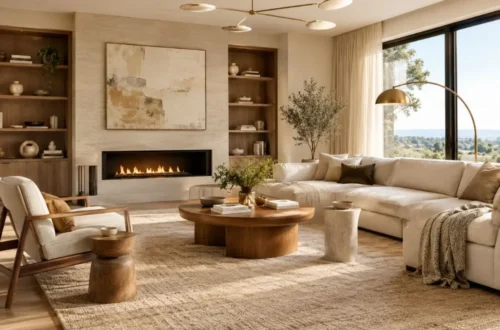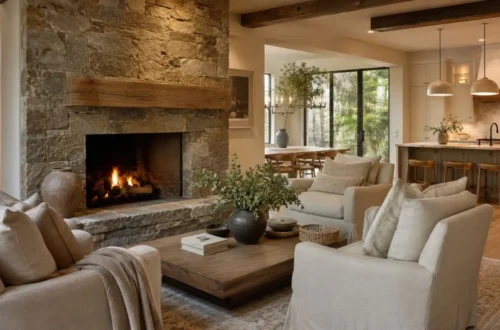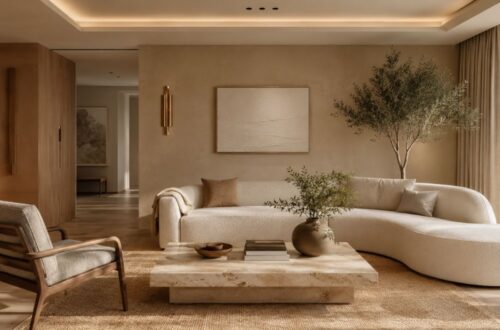
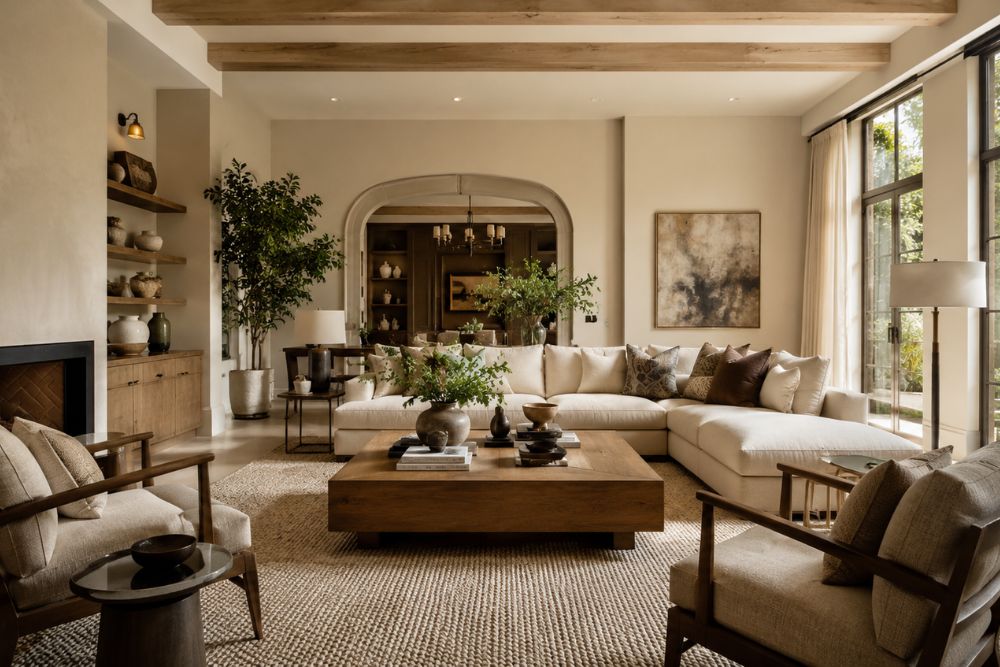
“What a room” is an expression people use to admire an attractive, well-designed, or impressive space. In interior design, it describes a room that immediately creates a strong visual and emotional impact through thoughtful furniture selection, harmonious paint colors, balanced lighting, functional layout, and carefully chosen décor. A “what a room” space isn’t necessarily expensive—it succeeds because every design element works together.
Whether you’re decorating a living room, bedroom, dining room, or home office, creating a “what a room” effect starts with choosing the right colors, furniture, lighting, and accessories that reflect your lifestyle while making the space feel welcoming and functional.
Quick Comparison Table: What Makes People Say “What a Room”?
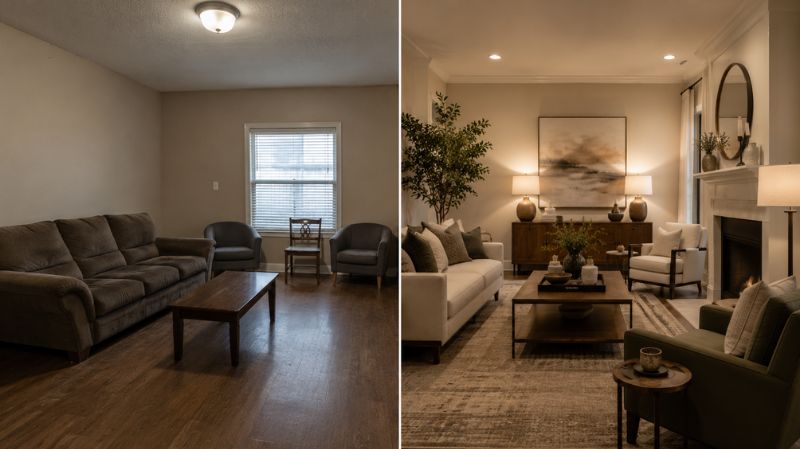
| Feature | Ordinary Room | “What A Room” Interior |
| Paint Colors | Random or outdated | Coordinated color palette with balanced undertones |
| Furniture | Doesn’t fit the space | Proper scale and proportional layout |
| Lighting | Single overhead light | Layered ambient, task, and accent lighting |
| Wall Design | Bare walls | Artwork, panel molding, mirrors, or texture |
| Decor | Cluttered or mismatched | Purposeful styling with cohesive accessories |
| Functionality | Difficult to use | Comfortable, practical, and organized |
| Overall Feeling | Average | Memorable, inviting, and visually balanced |
Why Does a Beautiful Room Matter?
Interior designers often say that great design is about solving problems while creating beauty. A well-designed room doesn’t simply look attractive—it supports daily living, improves comfort, influences mood, and helps homeowners enjoy their spaces more.
Research published by environmental psychology experts has consistently shown that colors, lighting, organization, and access to natural light can influence perceived comfort, productivity, and emotional well-being. Likewise, the National Association of Realtors has reported that thoughtful home improvements and interior updates can positively influence buyer appeal and perceived home value.
That means the phrase “What a room!” represents more than admiration—it reflects successful design that combines aesthetics with functionality.
What Does “What A Room” Mean?
The phrase “What a room” is an expression of surprise or admiration. It is commonly used when someone walks into a beautifully designed interior and is immediately impressed by the appearance, atmosphere, or overall style.
Unlike technical interior design terminology, it is an emotional reaction.
People typically say it when a room feels:
- Bright and welcoming
- Luxurious without appearing excessive
- Comfortable and functional
- Professionally decorated
- Perfectly balanced in colors and furniture
- Spacious regardless of actual size
The phrase has also become associated with premium furniture discussions because many homeowners search online for products and brands that help create this “wow factor.”
Is “What A Room” an Interior Design Term?
Not officially, interior designers don’t use it as a technical design principle. Instead, homeowners, decorators, real estate professionals, and visitors naturally say “What a room!” when an interior exceeds expectations.
Think of it as the emotional result of successful design rather than the design process itself.
Professional designers usually focus on principles like:
- Balance
- Scale
- Proportion
- Harmony
- Rhythm
- Contrast
- Color coordination
When these principles work together, the finished room often earns the spontaneous reaction:
“Wow…what a room!”
Why Do People Use the Phrase When Describing Homes?
Because first impressions matter.
Most people judge a room within seconds of entering it. During those first moments, the brain processes:
- Wall color
- Natural light
- Furniture placement
- Visual clutter
- Ceiling height
- Decorative details
- Overall atmosphere
If these elements feel balanced, people instinctively respond positively.
What Is a Room in Home Design?
A room has more than four walls and a ceiling.
From an interior design perspective, a room is a functional living environment designed to support specific activities while creating comfort and visual harmony.
Every room combines several essential components:
- Architecture
- Paint colors
- Flooring
- Furniture
- Lighting
- Storage
- Decorative accessories
- Textiles
- Personal style
Each component influences how the room feels and functions.
Why Is Good Room Design Important?
Beautiful rooms aren’t only for magazines.
Good room design can improve everyday life in practical ways.
Benefits include:
- Better organization
- Improved comfort
- Easier movement
- Reduced visual stress
- Better use of available space
- Increased enjoyment of your home
- Greater long-term satisfaction with renovations
For homeowners considering future resale, attractive interiors may also improve buyer interest because well-maintained spaces create stronger first impressions.
How Does Room Design Affect Everyday Living?
Every design decision influences daily routines.
For example:
A living room with oversized furniture may feel crowded.
A bedroom painted in calming soft blue or warm greige often feels more relaxing than one painted in an intense, saturated red.
Similarly, kitchens with layered lighting tend to feel brighter and more functional than those relying on a single ceiling fixture.
Good design quietly supports everyday life without drawing attention to itself.
Why Is “What A Room” Popular in Interior Design?
The phrase has become increasingly common thanks to social media, home renovation shows, Pinterest inspiration boards, and online interior design communities.
Today, millions of homeowners save images of spaces they hope to recreate.
Most of those inspirational rooms share common characteristics:
- Neutral color palettes
- Statement lighting
- Comfortable seating
- Layered textures
- Large windows
- Natural materials
- Timeless furniture
- Clean styling
These elements consistently create the memorable first impression people describe as “What a room.”
How Has Social Media Changed Room Design?
Platforms focused on home inspiration have made professional-quality interiors more accessible than ever.
Instead of hiring a designer immediately, homeowners can explore thousands of room ideas before beginning a renovation.
Popular design trends include:
- Organic modern interiors
- Modern farmhouse styling
- Scandinavian simplicity
- Contemporary minimalism
- Japandi-inspired spaces
- Transitional interiors
Although these styles differ, they all prioritize balance, comfort, and cohesive color palettes.
Does Every Beautiful Room Need to Be Expensive?
Absolutely not.
One of the biggest misconceptions in interior decorating is that luxury depends on budget.
In reality, many impressive rooms rely on thoughtful planning instead of high spending.
Professional designers often prioritize:
- Correct furniture scale
- Quality paint
- Better lighting
- Consistent color palettes
- Layered textures
- Functional layouts
These improvements usually have a greater visual impact than simply purchasing expensive décor.
What Characteristics Make People Say “What A Room”?
Every memorable room shares several common design principles.
While personal taste varies, successful interiors usually combine aesthetics with functionality.
The most admired rooms typically include:
Balanced Furniture Layout
Furniture should encourage conversation and comfortable movement rather than filling every available inch.
A balanced arrangement creates openness while maintaining intimacy.
Coordinated Paint Colors
Wall color establishes the foundation of every room.
Paint specialists often recommend choosing colors based on:
- Natural light direction
- Room size
- Existing flooring
- Cabinet finishes
- Upholstery
- Lifestyle needs
Soft whites, warm greiges, muted greens, earthy taupes, and sophisticated blues remain timeless because they coordinate with a wide variety of furniture styles.
Layered Lighting
Great interiors rarely depend on a single ceiling light.
Instead, designers combine:
- Ambient lighting
- Task lighting
- Accent lighting
This layering adds depth while improving both functionality and atmosphere.
Texture Creates Interest
A room feels richer when multiple textures work together.
Examples include:
- Linen curtains
- Wool rugs
- Velvet pillows
- Natural wood furniture
- Stone surfaces
- Matte-painted walls
- Woven baskets
Texture adds character even when the overall color palette remains neutral.
Smart Space Planning
One of the most overlooked design elements is circulation.
People should move comfortably throughout the room without obstacles.
Good layouts consider:
- Walking paths
- Seating arrangements
- Storage access
- Window placement
- Television viewing angles
- Natural focal points
Function always supports beauty.
Which Design Styles Create a “What A Room” Effect?
While trends come and go, timeless interiors share one common goal: they create spaces that feel inviting, functional, and visually cohesive. The best rooms combine architectural details, furniture, paint colors, and décor into a unified design that homeowners enjoy for years.
Below are some of the most popular interior styles that consistently inspire the reaction, “What a room!”
Is Modern Minimalist Design the Simplest Way to Create a Stunning Room?
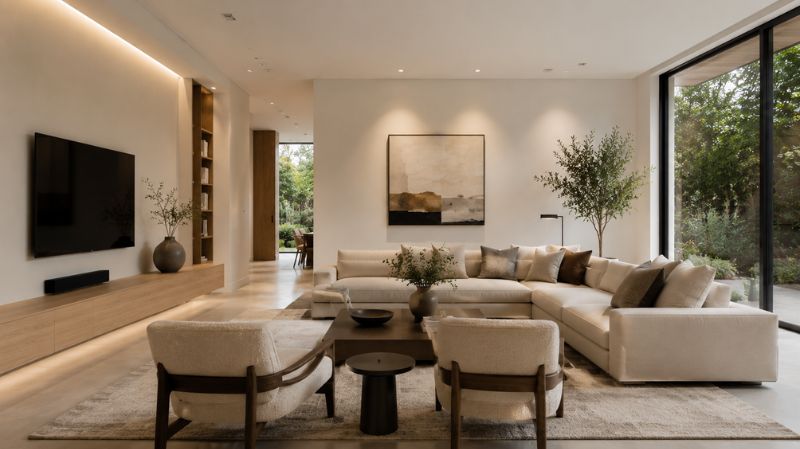
Modern minimalist interiors focus on clean lines, open space, and purposeful decorating.
Rather than filling a room with accessories, every item has a reason for being there.
Best Features
- Neutral paint colors
- Streamlined furniture
- Hidden storage
- Large windows
- Simple artwork
- Matte finishes
Recommended Paint Colors
- Warm White
- Soft Greige
- Light Taupe
- Misty Gray
- Creamy Beige
Designer Tip
Minimalism doesn’t mean empty. Add warmth with wood furniture, textured rugs, linen curtains, and layered lighting.
Why Is Scandinavian Design So Popular?
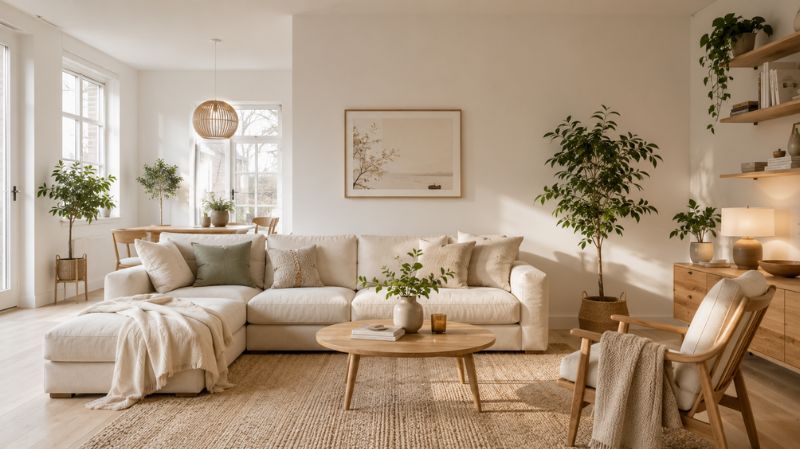
Scandinavian interiors combine simplicity with comfort.
Natural materials and bright spaces help rooms feel larger and more relaxing.
Signature Elements
- White walls
- Light oak flooring
- Soft textiles
- Functional furniture
- Cozy lighting
- Indoor plants
Best Color Palette
- Soft White
- Pale Gray
- Beige
- Warm Wood
- Sage Green accents
What Makes Organic Modern Interiors Feel Luxurious?
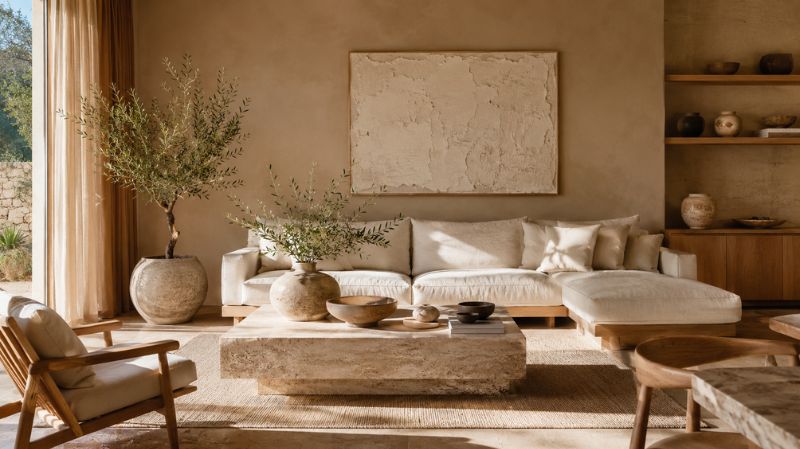
Organic modern design blends contemporary architecture with nature-inspired materials.
Instead of relying on bold colors, it emphasizes texture and craftsmanship.
Common Materials
- Travertine
- White oak
- Linen
- Clay finishes
- Handmade ceramics
- Natural stone
Ideal Wall Colors
- Warm Ivory
- Mushroom
- Sand
- Soft Taupe
- Clay Beige
Should You Choose a Modern Farmhouse?
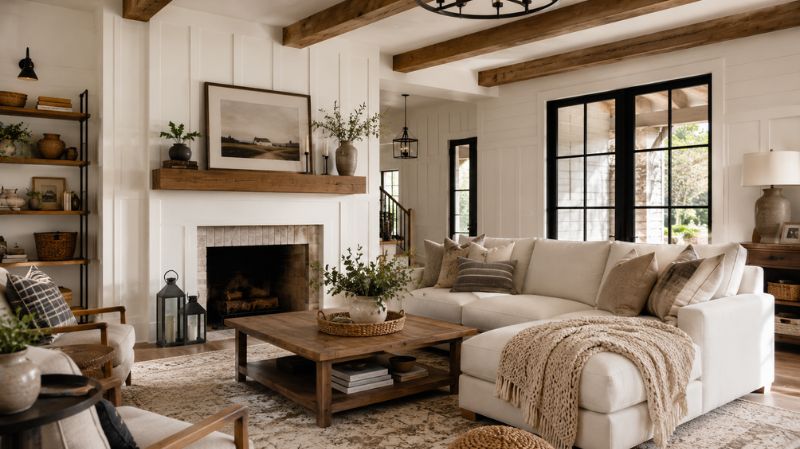
Modern farmhouses continue to be popular because they balance rustic charm with contemporary comfort.
Typical Features
- Board-and-batten walls
- Wood beams
- Matte black hardware
- White walls
- Cozy seating
- Natural textures
Paint Pairings
| Wall Color | Accent Color |
| Warm White | Charcoal |
| Cream | Olive Green |
| Greige | Black |
| Soft Beige | Natural Oak |
Is Contemporary Design Different From Modern?
Yes, modern design refers to a historical design movement.
Contemporary design reflects today’s evolving trends.
Today’s contemporary interiors often include:
- Curved furniture
- Mixed materials
- Statement lighting
- Warm neutral colors
- Oversized artwork
- Textured walls
Which Paint Colors Help Create a “What A Room” Interior?
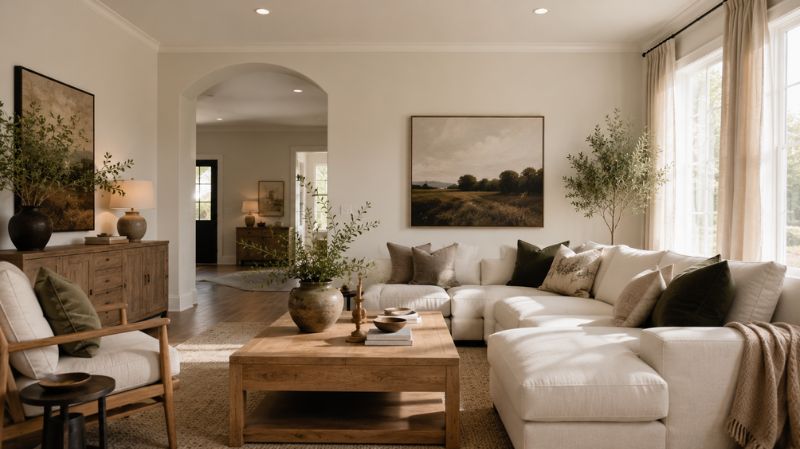
Paint is often the highest-impact improvement with one of the lowest renovation costs.
A well-chosen wall color can completely transform how a room feels.
Professional designers usually recommend selecting paint after considering:
- Natural lighting
- Flooring
- Cabinet finishes
- Upholstery
- Window direction
- Ceiling height
Which White Paint Colors Never Go Out of Style?
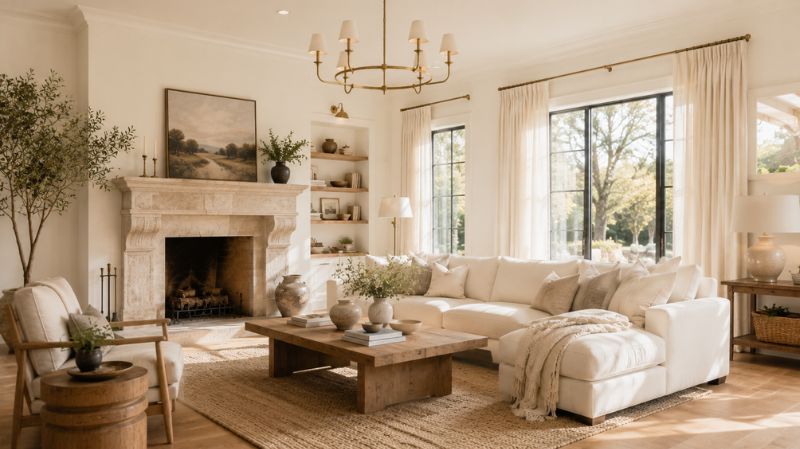
Warm whites remain among the safest choices because they work across many decorating styles.
Popular characteristics include:
- Soft appearance
- Minimal harshness
- Excellent light reflection
- Flexible decorating options
Warm whites pair beautifully with:
- Natural wood
- Brass fixtures
- Black accents
- Stone countertops
- Linen fabrics
Are Greige Walls Better Than Gray?
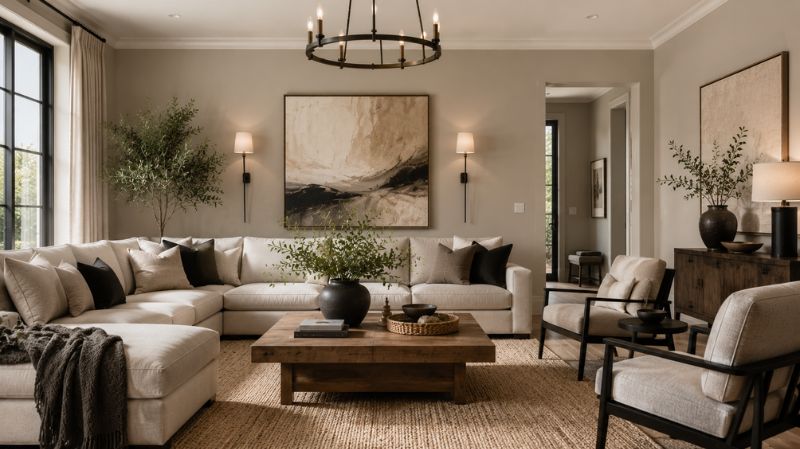
In many homes, yes.
Greige combines gray with beige, creating a warmer appearance than cool gray.
Benefits include:
- Works with both warm and cool furniture
- Doesn’t feel overly sterile
- Coordinates with wood flooring
- Adapts to changing daylight
This versatility explains why many interior designers now recommend greige instead of traditional cool gray.
Can Earth Tones Make a Room Feel More Relaxing?
Earth-inspired palettes continue gaining popularity because they create warmth without overwhelming the room.
Popular choices include:
- Terracotta
- Clay
- Camel
- Olive
- Sage
- Sand
- Mushroom
- Warm Brown
These colors connect interiors with nature while remaining timeless.
Should You Use Dark Accent Walls?
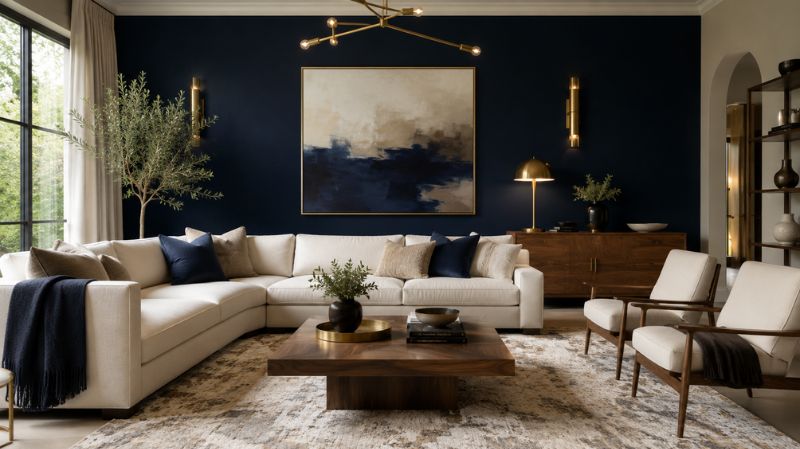
Absolutely, when used intentionally.
Dark colors add depth and create focal points.
Excellent accent wall colors include:
- Navy Blue
- Deep Forest Green
- Charcoal
- Rich Brown
- Slate Blue
Pair dark walls with:
- White trim
- Light upholstery
- Natural wood
- Brass lighting
- Cream area rugs
How Does Color Psychology Affect Interior Design?
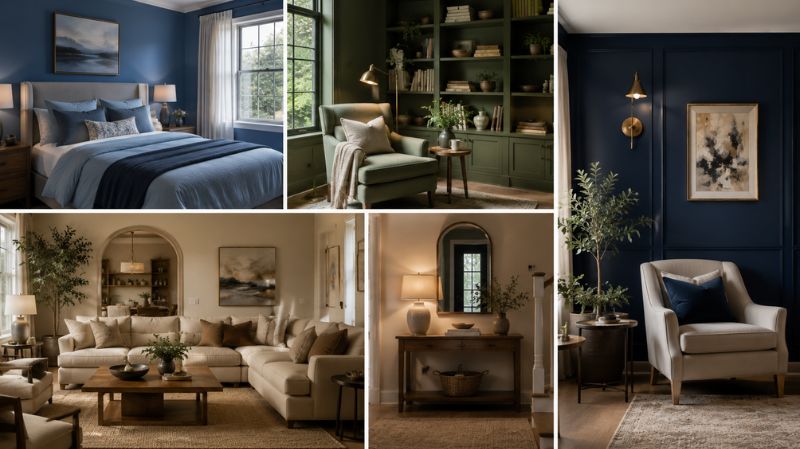
Color influences how people experience a room.
While personal preferences matter, research in environmental psychology suggests colors can shape mood and perception.
Common Associations
| Color | Emotional Effect |
| Blue | Calm, peaceful |
| Green | Balance, relaxation |
| Beige | Warmth, comfort |
| White | Cleanliness, openness |
| Yellow | Optimism |
| Navy | Sophistication |
| Gray | Stability |
| Terracotta | Warmth and energy |
The goal isn’t to follow rules rigidly but to choose colors that support the room’s purpose.
Which Color Combinations Always Look Elegant?
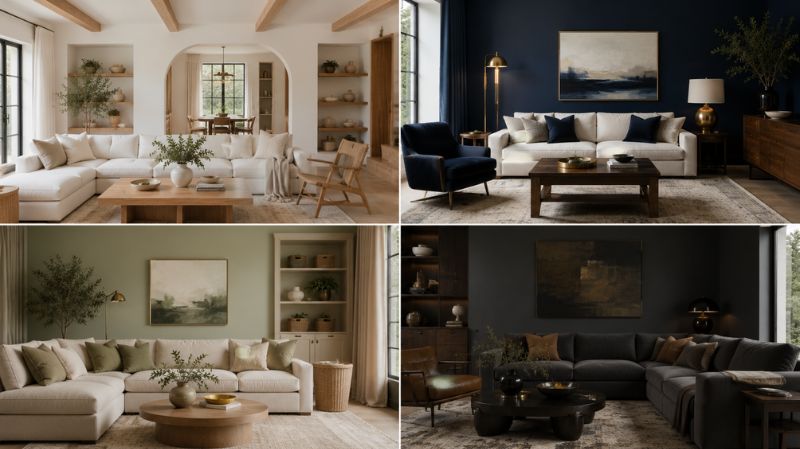
Successful rooms rarely rely on one color.
Instead, designers layer complementary shades.
White + Natural Wood
Creates timeless warmth.
Perfect for:
- Scandinavian homes
- Farmhouse interiors
- Coastal spaces
Greige + Black
Adds sophistication without overwhelming the room.
Ideal for:
- Living rooms
- Dining rooms
- Entryways
Navy + Cream
Produces strong contrast while remaining elegant.
Works especially well with:
- Brass lighting
- Oak flooring
- Marble accents
Sage Green + Warm Beige
Creates one of today’s most relaxing palettes.
Excellent for:
- Bedrooms
- Reading rooms
- Home offices
Charcoal + White + Walnut
A favorite among contemporary designers.
The dark-light contrast creates visual interest while walnut introduces warmth.
How Do You Choose Furniture That Makes a Room Stand Out?
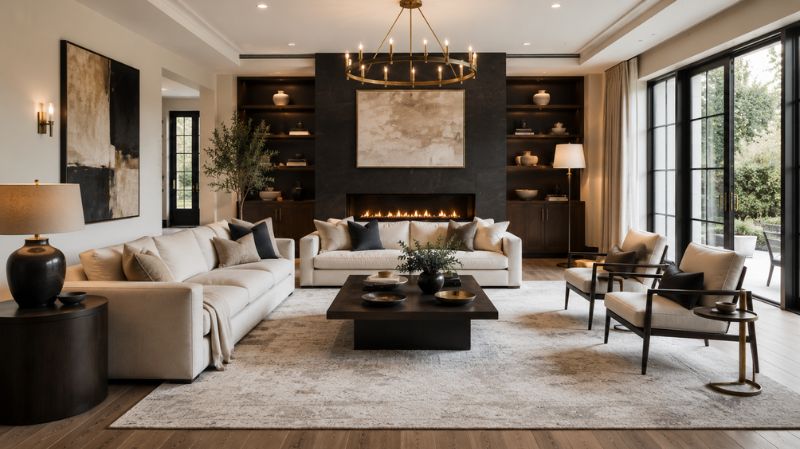
Furniture should fit both the room and your lifestyle.
Oversized furniture in a small room often creates visual clutter.
Undersized furniture can make large spaces feel unfinished.
Balance is essential.
How Important Is the Sofa?
The sofa is often the largest visual element in a living room.
It establishes:
- Comfort
- Scale
- Traffic flow
- Conversation areas
Many homeowners researching What A Room furniture compare customization, durability, fabric performance, and cushion construction before making a purchase.
If you’re evaluating brands, reading independent What A Room reviews alongside expert buying guides can provide helpful insights into build quality, customer service, customization options, and long-term comfort. Remember that individual experiences vary, so it’s wise to compare multiple reputable sources rather than relying on a single review.
Should You Buy a Sectional Sofa?
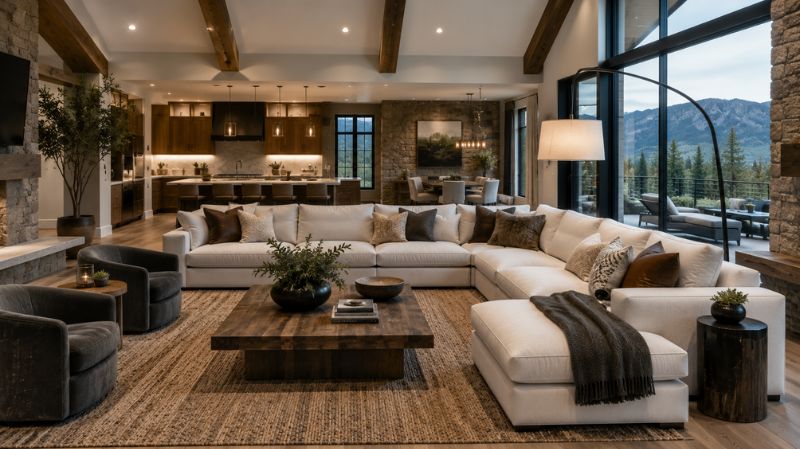
Sectionals work well when:
- You entertain frequently.
- You have a large family.
- The room has an open layout.
- You enjoy lounging.
For example, buyers comparing the What A Room couch collection often look at configurable sectionals that can be customized for room dimensions, fabric choices, and seating depth. A model such as the What A Room Daphne Sectional may appeal to homeowners seeking modular flexibility, but the best choice depends on your room size, traffic flow, maintenance needs, and preferred seating comfort.
Designer Tip
Before ordering any sectional:
- Measure every wall.
- Mark furniture footprints with painter’s tape.
- Leave a comfortable walking space.
- Consider door swings and window placement.
A sofa that looks perfect online may feel oversized in person if measurements aren’t planned carefully.
What Should You Look for Besides Appearance?
Experienced designers evaluate furniture using several criteria:
- Frame construction
- Cushion support
- Upholstery durability
- Fabric maintenance
- Seat depth
- Warranty
- Overall proportions
High-density foam cushions generally retain their shape longer than lower-density options, while performance fabrics can be especially practical for homes with children or pets. Construction quality, however, should always be assessed alongside comfort, intended use, and the manufacturer’s specifications.
How Can Wall Décor Transform a Room?
Paint provides the backdrop, but wall décor adds personality.
The goal is balance—not covering every inch of wall space.
Should You Create a Gallery Wall?
Gallery walls work best when artwork shares:
- Similar frames
- Coordinated colors
- Consistent spacing
Rather than random placement, arrange pieces on the floor first to test different layouts.
Are Large Mirrors Worth Adding?
Absolutely,
Mirrors can:
- Reflect natural light
- Make small rooms appear larger
- Add elegance
- Highlight architectural details
Position mirrors where they’ll reflect windows instead of blank walls whenever possible.
What Accent Walls Are Trending?
Today’s accent walls rely more on texture than bold paint alone.
Popular ideas include:
- Vertical wood slats
- Board-and-batten molding
- Limewash finishes
- Venetian plaster
- Stone veneer
- Textured wallpaper
These treatments add depth while complementing carefully selected paint colors.
How Do Interior Designers Style a Finished Room?
Once the major elements are in place, styling brings the room to life.
Professionals often follow the “layering” approach, combining textures, heights, and shapes to avoid a flat or overly staged appearance.
Layer Soft Textures
Mix materials such as:
- Linen throws
- Wool rugs
- Velvet cushions
- Leather accents
- Woven baskets
This creates warmth and visual interest, even with a neutral color palette.
Add Greenery
Plants soften hard surfaces and introduce natural color.
Popular low-maintenance choices include:
- Snake plant
- ZZ plant
- Pothos
- Rubber plant
- Olive tree (for bright spaces)
Create a Focal Point
Every room benefits from a clear visual anchor.
Examples include:
- A fireplace
- A statement sofa
- Oversized artwork
- A dramatic light fixture
- A textured accent wall
Avoid competing focal points, as they can make the room feel visually busy.
Room-by-Room Styling Suggestions
Living Room
- Use a large area rug to define the seating area.
- Pair warm white walls with natural wood furniture.
- Add layered lighting using floor and table lamps.
- Include textured throw pillows for seasonal updates.
Bedroom
- Choose calming paint colors like soft sage, muted blue, or warm greige.
- Upholstered headboards add softness.
- Use blackout curtains for comfort and better sleep.
Dining Room
- Hang a pendant light centered over the table.
- Introduce contrast with darker dining chairs against lighter walls.
- Display simple artwork to avoid visual clutter.
Home Office
- Opt for low-sheen paint finishes to reduce glare.
- Incorporate closed storage to maintain a tidy appearance.
- Add natural wood tones to create a welcoming workspace.
What Is a Real-Life Example of a “What a Room” Transformation?
Sometimes, the biggest difference between an average room and one that earns a “What a room!” reaction isn’t a complete renovation—it’s a series of smart design decisions.
Imagine a homeowner with a standard living room featuring white walls, a small rug, mismatched furniture, and a single ceiling light. The room felt functional but lacked personality.
Instead of remodeling the space, they made these updates:
- Painted the walls a warm greige to soften the space.
- Added a larger area rug that fit under the front legs of all seating.
- Replaced a small loveseat with a properly scaled sofa.
- Introduced a pair of accent chairs to create conversation zones.
- Layered lighting with floor and table lamps.
- Installed floor-to-ceiling curtains to make the ceilings appear taller.
- Styled the coffee table with books, greenery, and a ceramic tray.
- Added oversized artwork above the sofa.
The transformation didn’t require structural changes, but the room became brighter, more cohesive, and significantly more inviting. Visitors immediately noticed the difference—not because the space was extravagant, but because every element worked together.
Key takeaway: Great rooms are created through thoughtful planning rather than expensive purchases.
What Common Mistakes Prevent a Room from Looking Beautiful?
Even high-quality furniture and expensive décor can’t compensate for poor design decisions. Avoiding common mistakes often has a greater impact than adding more decorative items.
Is the Wrong Furniture Size the Biggest Problem?
Yes, one of the most common decorating mistakes is choosing furniture that’s either too large or too small for the room.
Better Practice
- Measure the room before shopping.
- Leave clear walkways of approximately 30–36 inches where possible.
- Choose furniture proportions that suit the room’s scale.
- Test layouts using painter’s tape before purchasing.
Can Too Many Colors Make a Room Feel Chaotic?
Absolutely.
A cohesive palette creates visual harmony.
Instead of introducing six or seven unrelated colors, choose:
- One dominant color
- One secondary color
- One accent color
Then repeat these colors throughout artwork, pillows, rugs, and accessories.
Why Is Lighting So Often Overlooked?
Lighting affects both appearance and functionality.
Many homeowners rely on a single ceiling fixture, which creates flat lighting and harsh shadows.
A better approach includes:
- Ambient lighting for overall brightness
- Task lighting for reading or work
- Accent lighting to highlight artwork or architectural features
This layered strategy adds warmth and depth.
Does Clutter Make a Room Feel Smaller?
Yes, Visual clutter competes for attention and makes even spacious rooms feel cramped.
Professional designers often follow the principle of “decorate with intention.”
Instead of displaying every decorative item, curate a smaller collection of meaningful pieces and leave some negative space to let the room breathe.
How Can You Create a “What a Room” Look on a Budget?
Beautiful interiors don’t require luxury budgets.
Many of the most impactful updates are affordable and easy to implement.
Budget-Friendly Upgrades
Refresh the Walls
Fresh paint remains one of the highest-value improvements.
Choose timeless shades such as:
- Warm white
- Greige
- Soft beige
- Sage green
- Muted blue
These colors coordinate with a wide range of furniture and décor.
Rearrange Existing Furniture
Before buying anything new:
- Move furniture away from walls if the room allows.
- Create conversation groupings.
- Remove unnecessary pieces.
- Improve traffic flow.
A new layout often makes a room feel completely different.
Update Soft Furnishings
Small changes can make a significant visual impact.
Consider replacing:
- Throw pillows
- Curtains
- Area rugs
- Bedding
- Lamp shades
Layering different textures helps create a more designer-inspired look.
Introduce Natural Elements
Natural materials add warmth and character.
Ideas include:
- Wooden trays
- Woven baskets
- Indoor plants
- Stone accessories
- Linen textiles
These elements complement nearly every decorating style.
What Tips Do Interior Designers Use to Create Memorable Rooms?
Professional designers rely on proven principles rather than chasing every trend.
Start with the Largest Elements
Choose these items first:
- Flooring
- Wall paint
- Sofa
- Dining table
- Bed
Once these foundational pieces are selected, accessories become much easier to coordinate.
Repeat Colors Throughout the Room
Repeating accent colors creates visual continuity.
For example:
- Navy artwork
- Navy throw pillows
- Navy vase
This repetition makes the room feel intentional without appearing overly matched.
Mix Materials for Depth
Combining materials creates contrast and prevents a room from feeling flat.
Examples include:
- Wood + metal
- Linen + leather
- Marble + brass
- Glass + stone
The variety adds richness while maintaining balance.
Decorate in Layers
Professional rooms rarely come together all at once.
Instead, designers:
- Paint the walls.
- Place major furniture.
- Add lighting.
- Introducing rugs.
- Style accessories.
- Finish with artwork and greenery.
This layered process results in a more natural and lived-in appearance.
Conclusion
A memorable room is never defined by price alone. Instead, it’s the result of thoughtful choices that combine color, comfort, functionality, and personal style.
Whether you’re refreshing a single room or planning a complete home makeover, begin with a clear vision. Select paint colors that complement your lighting, invest in furniture that fits your space, layer textures for warmth, and style each room with intention rather than excess.
Remember that every successful interior starts with strong fundamentals. When paint colors, furniture, lighting, décor, and layout work together, the result is a home that feels inviting every day—not just for guests, but for the people who live there.
Use the ideas in this guide to evaluate your own spaces one room at a time. Experiment with timeless paint palettes, furniture layouts, and layered décor to create interiors that are both beautiful and practical. Even small, well-planned updates can produce dramatic results and turn an ordinary room into one that naturally inspires the words, “What a room!”
Frequently Asked Questions
1. What does “What a room” mean?
“What a room” is an expression of admiration used when a space looks especially attractive, comfortable, or thoughtfully designed. It reflects an emotional reaction rather than a formal interior design term.
2. Is “What a Room” a furniture company?
Yes, What A Room is a furniture company specializing in customizable sofas, sectionals, and upholstered furniture.
3. Are What A Room reviews generally positive?
Yes, many reviews praise its customization options, fabric selection, and customer service, though comparing multiple sources is recommended.
4. What should I consider before buying a What A Room couch?
Consider room size, seat depth, fabric durability, cushion quality, maintenance, and delivery time before purchasing.
5. Is the What A Room Daphne Sectional suitable for every living room?
No, it’s best suited for larger spaces, so always compare its dimensions with your room layout.
6. Which paint colors make a room look bigger?
Warm white, soft cream, pale greige, light beige, and gentle gray help make a room appear more spacious.
7. What furniture should every living room have?
A sofa, coffee table, area rug, side tables, lighting, and storage are the essential living room furniture pieces.
8. How does color psychology influence a room?
Colors affect mood and perception, with soft tones creating calmness and darker shades adding depth and sophistication.
9. What’s the easiest way to improve a room without renovating?
Repainting walls, upgrading lighting, and decluttering are the quickest ways to refresh a room.
10. How can I make my room look professionally designed?
Use a cohesive color palette, well-scaled furniture, layered lighting, mixed textures, and balanced décor.