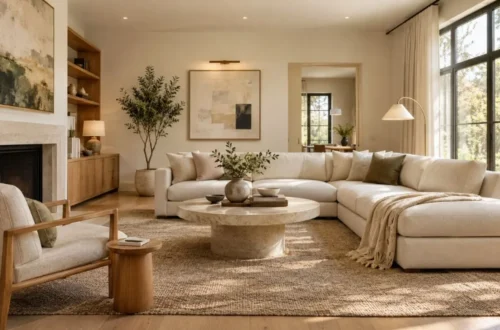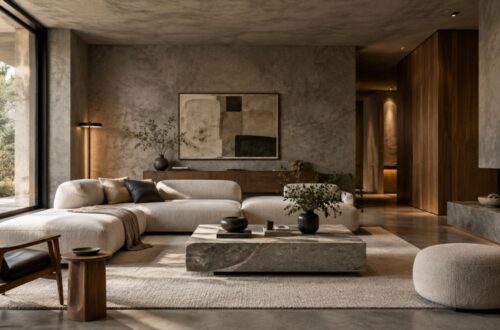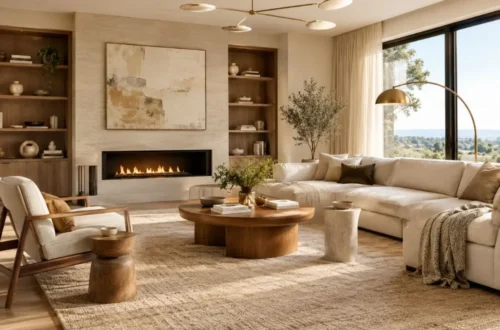
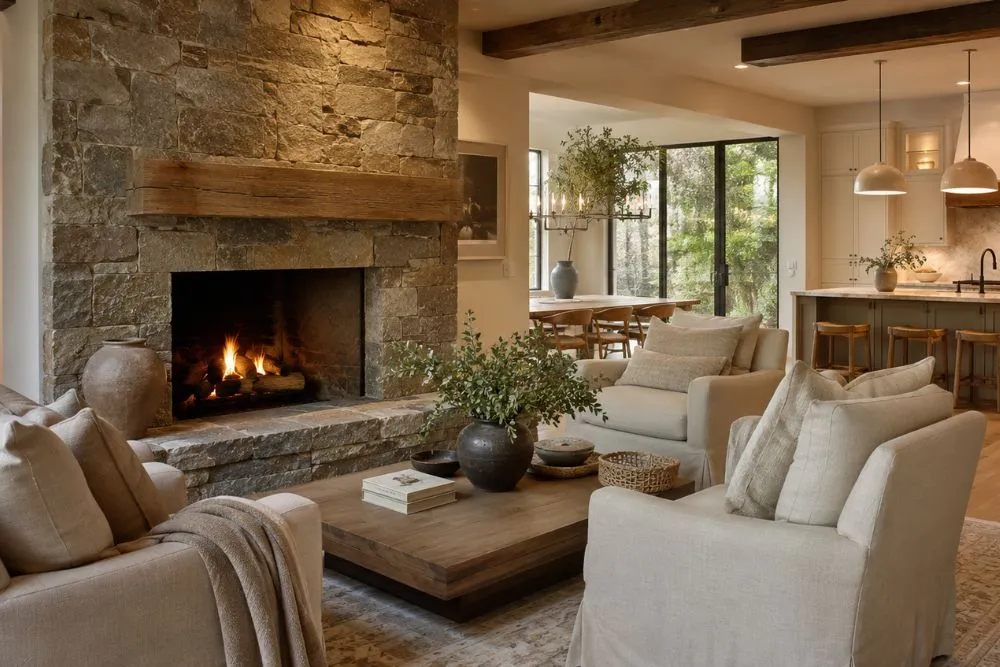
A keeping room is a cozy sitting area traditionally located next to the kitchen, designed as a place where family and guests can gather while meals are being prepared. In modern homes, a keeping room off kitchen spaces serves as a comfortable extension of the kitchen, blending functionality, interior design, and family living.
If you’ve ever wondered what is a keeping room in a home, think of it as a warm, inviting retreat that combines the charm of Colonial architecture with today’s open-concept lifestyles. From reading and relaxing to entertaining guests, the keeping room meaning has evolved while preserving its original purpose: bringing people together.
Quick Answer Box
| Question | Quick Answer |
| What is a keeping room? | A small, cozy room located near the kitchen for relaxing and socializing. |
| What is a keeping room in a home? | It’s an informal gathering space traditionally warmed by the kitchen fireplace. |
| Where is a keeping room located? | Usually directly adjacent to or connected with the kitchen. |
| Is a fireplace necessary? | No. Modern keeping rooms often replace fireplaces with comfortable seating and layered lighting. |
| Are keeping rooms still popular? | Yes. They are making a comeback in farmhouse, coastal, and modern home designs. |
| Typical Size | 100–250 square feet. |
| Best Paint Colors | Warm whites, greiges, muted greens, and soft earth tones. |
| Best For | Families, entertaining, reading, homework, and relaxing. |
Comparison Table: Keeping Room vs Living Room
| Feature | Keeping Room | Living Room |
| Location | Off the Kitchen | Central Area |
| Purpose | Cozy Gathering Space | Formal or General Use |
| Size | Small to Medium | Medium to Large |
| Atmosphere | Warm & Intimate | Flexible |
| Fireplace | Traditionally Yes | Optional |
| Seating Capacity | 2–6 People | 6+ People |
| Best Paint Colors | Warm Neutrals | Any Palette |
| Modern Usage | Reading, Relaxing | Entertaining |
Why Are Keeping Rooms Trending Again?
According to housing and remodeling trends reported by the National Association of Home Builders (NAHB), homeowners increasingly prefer multifunctional spaces over formal rooms that sit unused. Open floor plans continue to dominate new residential construction, making secondary gathering areas more desirable.
Interior designers have also noted a shift toward “slow living”—a design philosophy centered around comfort, connection, and intentional spaces. A keeping room perfectly aligns with this trend.
What Is a Keeping Room?
The term “keeping room” refers to a comfortable space located adjacent to the kitchen. Historically, it was the warmest room in the house because it shared heat from the kitchen hearth.
Today, homeowners use keeping rooms for:
- Reading
- Family conversations
- Morning coffee
- Children’s homework
- Casual entertaining
- Watching TV
- Relaxing after dinner
Unlike formal living rooms, keeping rooms prioritize comfort over presentation.
Think oversized armchairs, layered textiles, soft lighting, and paint colors that create a sense of calm.
What Is the Keeping Room Meaning?
The keeping room meaning dates back to Colonial America during the 18th century.
Before central heating, kitchens contained the home’s primary fireplace. Family members would “keep” close to the heat while the cook prepared meals.
This is where the name originated.
Over time, these spaces became associated with:
- Warmth
- Hospitality
- Family traditions
- Storytelling
- Shared experiences
Today, the emotional appeal remains the same, even though fireplaces are no longer essential.
Where Did Keeping Rooms Originate?
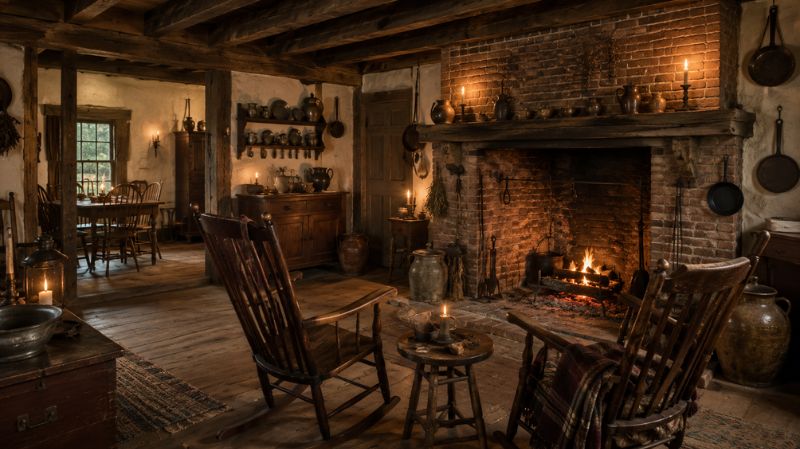
Colonial America and the Hearth
Keeping rooms emerged in Colonial homes throughout New England and the Southern United States.
During the 1700s:
- Kitchens contained large hearths.
- Homes lacked central heating.
- Families spent most of their time near the fire.
- Guests naturally gathered nearby.
The hearth served as the center of domestic life.
In many homes, the keeping room included:
- Wooden benches
- Rocking chairs
- Daybeds
- Storage cabinets
- Sewing stations
- Writing desks
Historians often refer to keeping rooms as “hearth rooms” because of their connection to fireplaces.
How Did Keeping Rooms Evolve?
By the early 1900s, central heating reduced the need for gathering around fireplaces.
As homes became larger, spaces evolved into:
- Family rooms
- Dens
- Great rooms
- Sunrooms
However, the rise of open-concept design during the last two decades has brought keeping rooms back into mainstream residential architecture.
Why Are Homeowners Bringing Keeping Rooms Back?
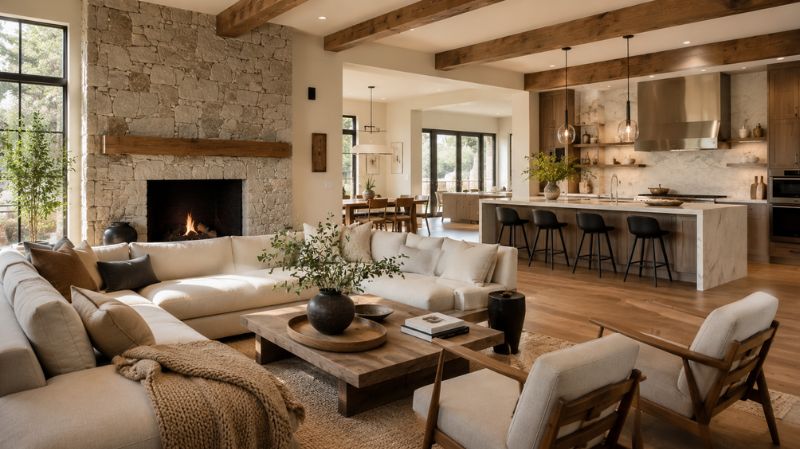
Modern homeowners are embracing comfort-driven design.
Several factors contribute to their resurgence:
1. Open Floor Plans
Keeping rooms complement large kitchens without feeling disconnected.
2. Increased Time at Home
Remote work and flexible lifestyles have increased demand for multifunctional spaces.
3. Better Family Interaction
Parents can cook while remaining engaged with children and guests.
4. Increased Home Value
Unique architectural features often appeal to prospective buyers.
5. Cozy Interior Trends
Warm minimalism, modern farmhouse, and coastal interiors naturally pair with keeping rooms.
What Is a Keeping Room in a Home Used For?
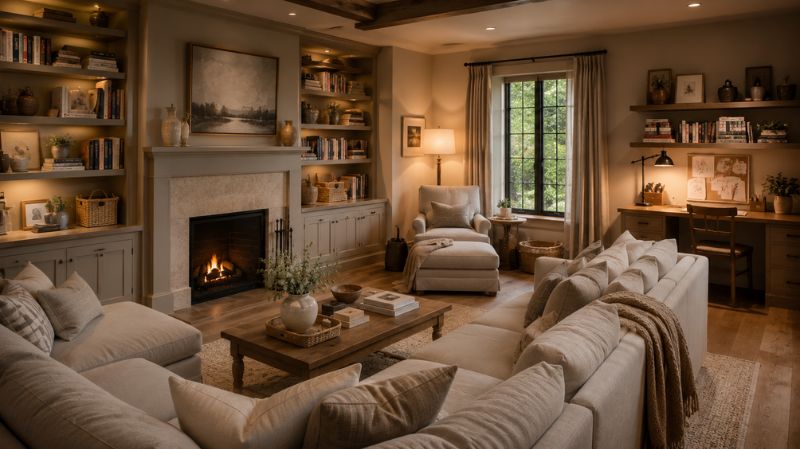
A modern keeping room can serve many purposes.
Family Lounge
Create a comfortable place to unwind after dinner.
Reading Nook
Add:
- Floor lamps
- Bookshelves
- Accent chairs
- Throw blankets
Homework Station
Parents can supervise children while preparing meals.
Entertaining Guests
A keeping room off kitchen layouts allows guests to socialize without overcrowding cooking areas.
Home Office Corner
Small writing desks work beautifully in these spaces.
Wellness Space
Many homeowners use keeping rooms for:
- Meditation
- Journaling
- Yoga
- Listening to music
Life Example: Erin and Ben Napier’s Keeping Room
HGTV stars Erin and Ben Napier showcased their keeping room in Mississippi, highlighting how this centuries-old concept remains relevant today.
Their keeping room features:
- Comfortable seating
- Soft textiles
- Traditional architecture
- Natural materials
- Family-focused design
Erin described it as one of the spaces where her family spends the most time together.
This illustrates an important point:
The success of a keeping room isn’t determined by square footage—it’s determined by how often it’s used.
What Does a Modern Keeping Room Look Like?
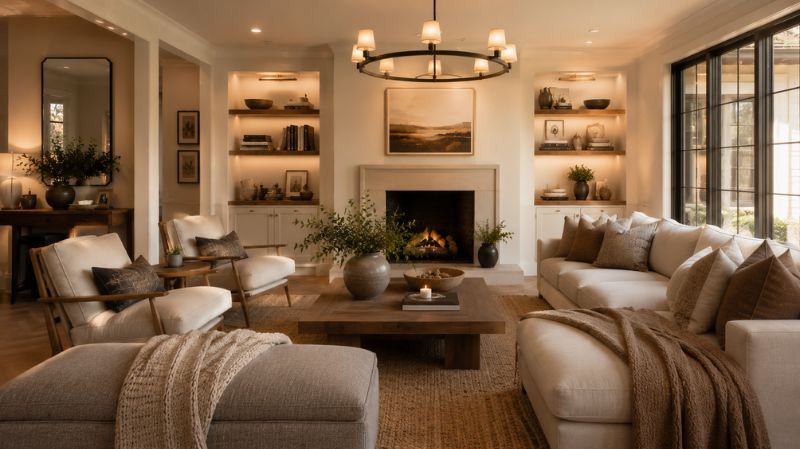
Modern keeping rooms blend traditional architecture with contemporary comforts.
Common elements include:
- Neutral paint colors
- Large windows
- Built-in shelving
- Natural wood accents
- Area rugs
- Statement lighting
- Layered textures
- Fireplace surrounds
Popular design styles include:
- Modern Farmhouse
- Coastal
- Scandinavian
- Transitional
- Rustic
- Traditional Colonial
What Are the Essential Features of a Keeping Room?
Fireplace
Historically required, but no longer essential.
Comfortable Seating
Choose:
- Club chairs
- Sectionals
- Loveseats
- Swivel chairs
Warm Lighting
Layer lighting through:
- Table lamps
- Wall sconces
- Pendant lights
Soft Textures
Include:
- Wool throws
- Linen curtains
- Plush rugs
- Velvet cushions
Storage
Built-ins provide practical storage for:
- Books
- Board games
- Blankets
Keeping Room Off Kitchen: Why Is This Layout So Popular?
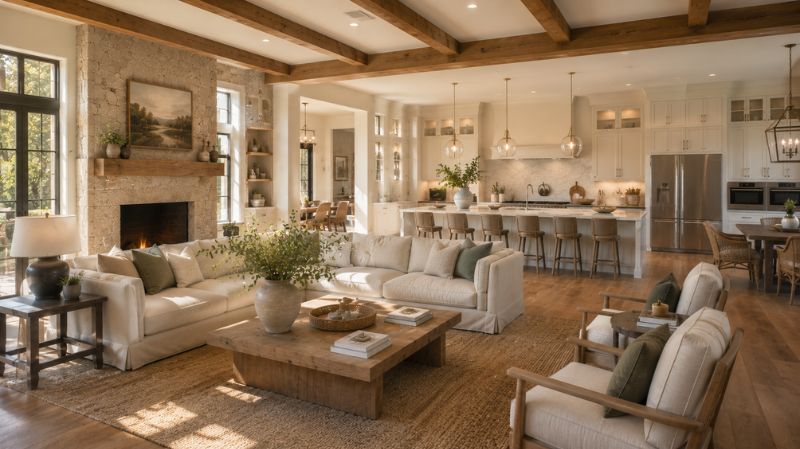
A keeping room off kitchen designs creates a seamless connection between cooking and socializing.
Benefits include:
- Better traffic flow.
- Improved family interaction.
- Easier entertaining.
- Enhanced visual continuity.
This layout works particularly well in:
- Farmhouses
- Ranch homes
- Craftsman homes
- New construction
- Open-concept homes
How Should You Design a Keeping Room?
Start With Furniture Selection
Recommended furniture:
| Item | Recommendation |
| Sofa | 72–84 inches |
| Chairs | Oversized Accent Chairs |
| Coffee Table | Round for Better Flow |
| Rug | 8×10 Minimum |
| Storage | Built-In Cabinets |
Designer Tips for Furniture Placement
- Position chairs toward the fireplace.
- Leave 30–36 inches for walkways.
- Anchor the room with a rug.
- Avoid overcrowding.
Interior designers suggest creating conversation zones rather than orienting every piece toward a television.
Which Paint Colors Work Best in a Keeping Room?
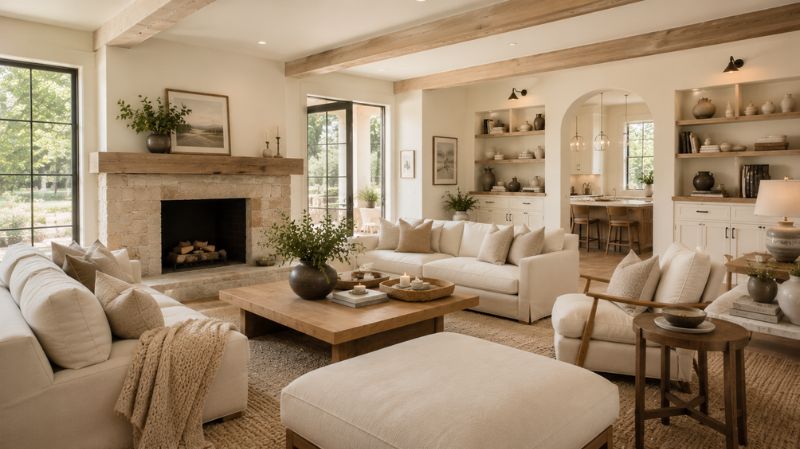
Paint color significantly impacts how a keeping room feels.
Color psychology suggests warm colors encourage comfort and conversation.
Best Warm Whites
- Sherwin-Williams Alabaster (SW 7008)
- Benjamin Moore White Dove
- Swiss Coffee
Best Greiges
- Accessible Beige
- Edgecomb Gray
- Pale Oak
Best Greens
- Evergreen Fog
- October Mist
- Retreat
Best Earth Tones
- Mushroom Gray
- Taupe
- Clay Beige
Color Psychology for Keeping Rooms
| Color | Emotional Effect |
| White | Fresh & Open |
| Beige | Comfort & Warmth |
| Green | Relaxation |
| Blue | Calmness |
| Gray | Sophistication |
| Taupe | Balance |
For north-facing rooms, choose warmer paint colors to offset cool natural light.
How Can You Style a Keeping Room?
Add Layers
Use:
- Chunky knit throws
- Linen pillows
- Natural baskets
- Wooden trays
Incorporate Natural Materials
- Oak furniture
- Stone fireplaces
- Woven accents
Add Personality
Display:
- Family photos
- Artwork
- Vintage books
- Candles
Include Plants
Recommended plants:
- Olive trees
- Snake plants
- Pothos
- Fiddle leaf figs
15 Keeping Room Design Ideas
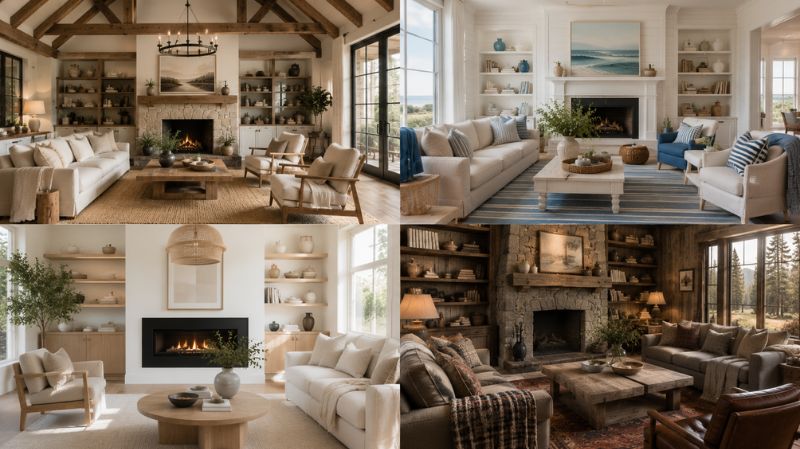
1. Modern Farmhouse Keeping Room
Combine:
- White walls
- Black accents
- Wood beams
2. Coastal Keeping Room
Pair:
- Soft blues
- Linen fabrics
- Natural textures
3. Colonial Revival
Include:
- Brick fireplaces
- Traditional furniture
4. Scandinavian Style
Focus on:
- Minimalism
- Neutral palettes
5. Rustic Retreat
Use:
- Stone
- Reclaimed wood
6. Transitional Design
Blend traditional and modern elements.
7. Cottage Style
Incorporate floral patterns and antique finishes.
8. Contemporary Lounge
Choose sleek furniture and layered lighting.
9. Small Space Keeping Room
Use multifunctional furniture.
10. Fireplace-Centered Design
Arrange seating around a focal point.
11. Built-In Library
Add custom shelving.
12. Neutral Haven
Decorate with shades of cream and beige.
13. Moody Keeping Room
Use deep greens and charcoal.
14. Family Game Room
Include storage for puzzles and board games.
15. Luxury Keeping Room
Feature:
- Marble fireplaces
- Designer lighting
- Custom millwork
Can You Add a Keeping Room to an Existing House?
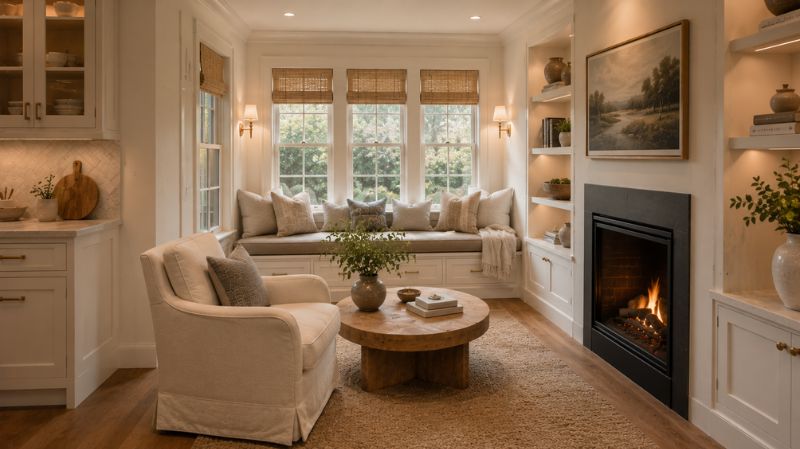
Absolutely.
Homeowners often convert:
- Breakfast nooks
- Unused dining rooms
- Bonus rooms
- Oversized kitchens
Estimated Costs
| Project | Average Cost |
| Minor Update | $2,000–$5,000 |
| Furniture & Decor | $5,000–$10,000 |
| Remodel | $10,000–$30,000+ |
Actual costs vary by region and materials.
Is a Keeping Room Worth It?
For many homeowners, yes.
Advantages
- Better family connection.
- Increased functionality.
- Improved resale appeal.
- Cozy atmosphere.
- Supports open-concept living.
Potential Drawbacks
- Requires additional square footage.
- Remodeling can be costly.
- May overlap with family room usage.
Ultimately, value depends on your lifestyle.
If your kitchen serves as the heart of your home, a keeping room makes perfect sense.
Authority Insight
The National Association of Home Builders consistently identifies flexible living spaces among the most requested features in new homes. Likewise, interior design publications have documented growing interest in comfort-focused spaces that support wellness, family connection, and multifunctional living. Keeping rooms embody all three trends, making them more than a nostalgic design choice—they’re a practical solution for how families live today.
Final Thoughts
A keeping room is more than an architectural feature—it’s a lifestyle choice.
Whether you’re designing a new home or reimagining an existing layout, keeping rooms offer something many modern spaces lack: intentional togetherness.
They encourage conversations over coffee, provide a cozy place for children to complete homework, and allow guests to remain connected while meals are prepared. From Colonial hearth rooms to contemporary open-concept homes, the purpose has remained remarkably consistent.
If you’ve been searching for answers to what is a keeping room, what is a keeping room in a home, or whether a keeping room off kitchen layout makes sense for your family, the answer depends on one question:
Do you want your home to feel more connected, comfortable, and lived in?
If so, a thoughtfully designed keeping room—with warm paint colors, comfortable furniture, layered lighting, and meaningful decor—may become the most loved space in your house.
Planning a home refresh? Start by evaluating the area beside your kitchen. With the right furniture, paint palette, and thoughtful styling, you can transform an overlooked corner into a timeless keeping room that your family will enjoy for years to come.
Frequently Asked Questions
1. What is another name for a keeping room?
A keeping room is sometimes called a hearth room, kitchen sitting room, or informal family lounge.
2. What is a keeping room in a home?
It is a small gathering space adjacent to the kitchen designed for comfort, conversation, and relaxation.
3. What is the difference between a keeping room and a family room?
Keeping rooms are smaller and located near the kitchen, while family rooms are generally larger and centrally located.
4. Does a keeping room need a fireplace?
No. While traditional keeping rooms featured fireplaces, modern versions prioritize comfort over architectural requirements.
5. How large should a keeping room be?
Most keeping rooms range between 100 and 250 square feet, depending on the home’s layout.
6. What furniture should go in a keeping room?
Popular choices include:
- Accent chairs
- Loveseats
- Sectionals
- Coffee tables
- Built-in shelving
7. Which paint colors are best for keeping rooms?
Warm whites, greiges, muted greens, and earthy neutrals work best because they create a welcoming atmosphere.
8. Can a keeping room increase home value?
Potentially, yes. Unique and functional spaces can improve buyer appeal, especially in family-oriented markets.
9. Can I create a keeping room in a small house?
Yes. Even a small seating area near the kitchen can provide the same functionality.
10. Are keeping rooms still popular in 2026?
Yes. The growing popularity of warm minimalism, open-concept living, and multifunctional spaces has contributed to the return of keeping rooms in modern home design.