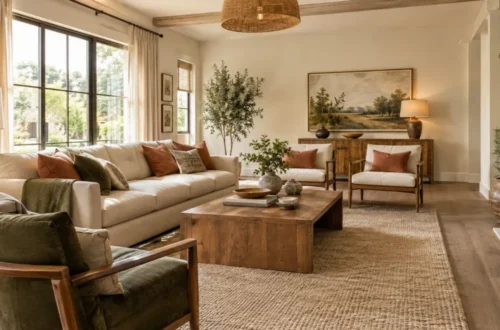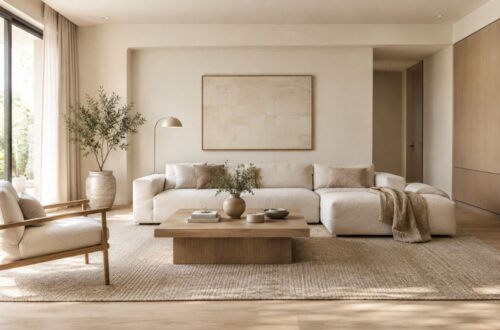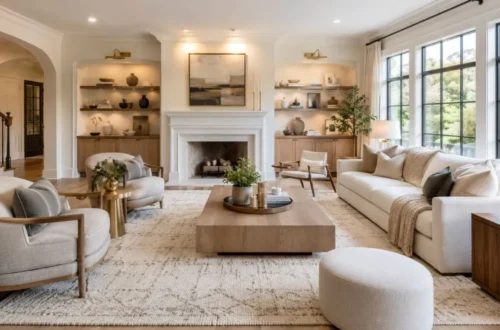
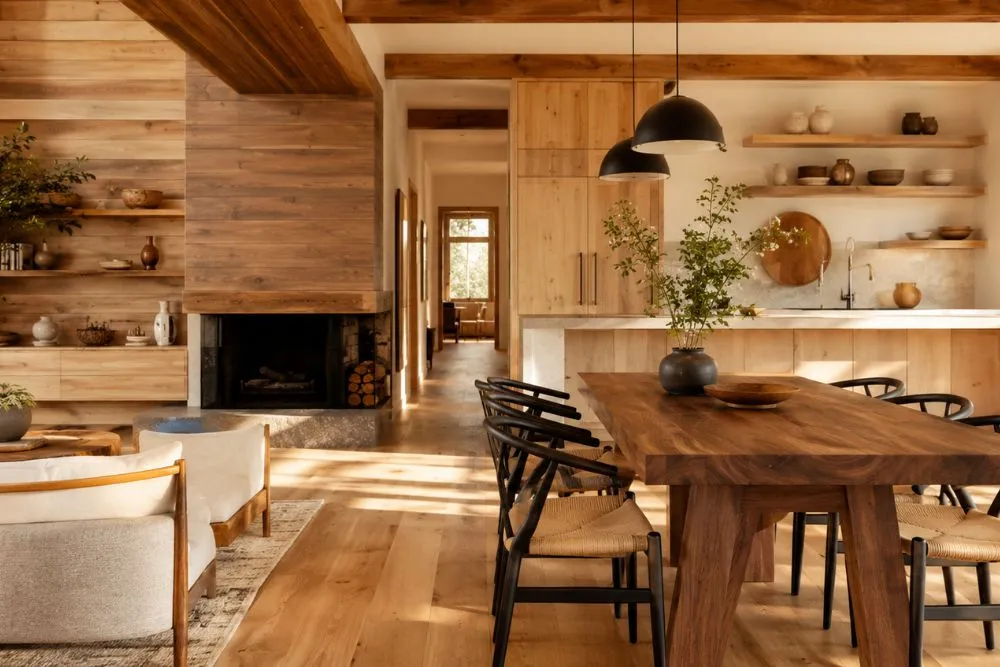
The different types of wood are grouped into hardwood, softwood, and engineered wood. Hardwoods like oak, maple, and walnut are best for furniture and flooring, softwoods like pine and cedar are ideal for construction and home décor, while engineered wood offers an affordable, stable solution for cabinets, wall panels, and modern interiors. Choosing the right wood depends on durability, appearance, maintenance, budget, and where it will be used in your home.
Wood is one of the most timeless and versatile materials in home design. Whether you’re remodeling a kitchen, installing hardwood flooring, building custom furniture, or refreshing your décor, the wood species you choose has a lasting impact on your home’s beauty, functionality, and value.
Every type of wood has its own grain pattern, color, durability, and maintenance requirements. Understanding these differences helps homeowners make informed decisions, ensuring their furniture, flooring, and cabinetry remain attractive and durable for years.
In this guide, you’ll learn the main categories of wood, compare their strengths, and discover the best options for furniture, flooring, home décor and cabinets.
Why Understanding Wood Types Matters
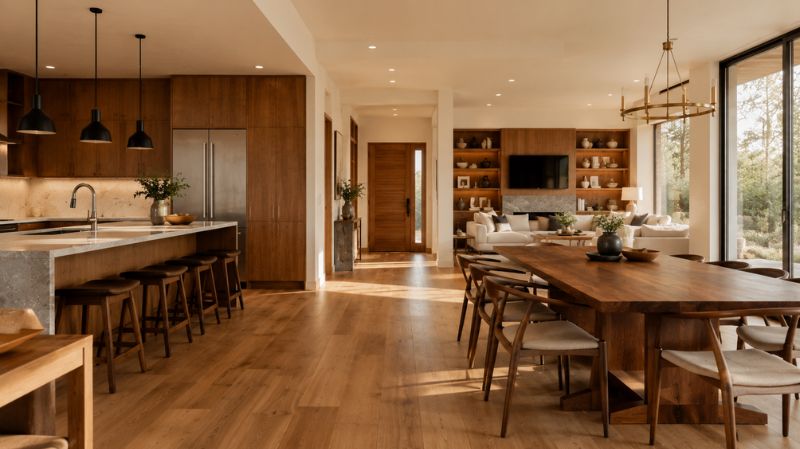
Wood isn’t just a decorative material—it’s an investment. Unlike paint or accessories, wood flooring, cabinetry, staircases, and furniture often remain in a home for decades.
Choosing the right wood can help you:
- Improve your home’s resale value
- Increase durability in high-traffic areas
- Complement your interior design style
- Reduce long-term maintenance costs
- Create warmth and natural texture
- Support sustainable home renovations
The wrong choice, however, may lead to scratches, moisture damage, warping, or costly repairs.
Hardwood vs Softwood vs Engineered Wood
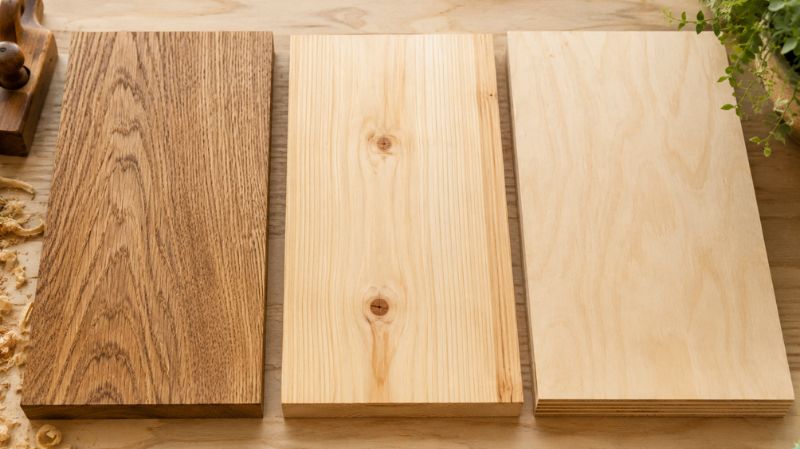
Nearly every wood product used in homes falls into one of these three categories.
| Feature | Hardwood | Softwood | Engineered Wood |
| Source | Deciduous trees | Coniferous trees | Manufactured wood |
| Durability | Excellent | Moderate | Good to Excellent |
| Cost | Medium–High | Affordable | Affordable–Premium |
| Grain | Rich and distinctive | Straight and simple | Depends on finish |
| Best Uses | Furniture, flooring, cabinets | Framing, décor, shelving | Cabinets, flooring, wall panels |
| Maintenance | Moderate | Moderate | Generally low |
Quick Take: Hardwood offers premium beauty and longevity, softwood is budget-friendly and versatile, while engineered wood provides excellent stability for modern homes.
What Are the Different Types of Wood?
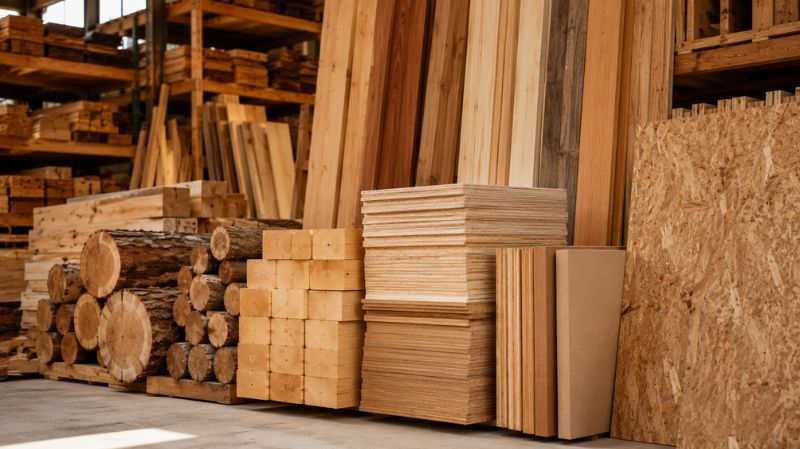
Wood used in residential projects generally falls into three main categories:
1. Hardwood
Hardwoods come from deciduous trees that shed their leaves annually. Because these trees grow slowly, their wood is denser and more durable.
Popular hardwoods include:
- Oak
- Maple
- Walnut
- Cherry
- Mahogany
- Hickory
- Ash
- Birch
- Beech
- Teak
Best Uses
Hardwood is commonly used for:
- Hardwood flooring
- Kitchen cabinets
- Dining tables
- Staircases
- Interior doors
- Built-in shelving
- Luxury furniture
Why Choose Hardwood?
Hardwood offers:
- Exceptional durability
- Rich grain patterns
- Long lifespan
- High resale value
- Timeless appearance
2. Softwood
Softwoods come from evergreen trees such as pine, cedar, spruce, fir, and redwood.
Although they’re called “softwood,” many species are surprisingly durable.
Common Uses
Softwoods work well for:
- House framing
- Wall paneling
- Shelving
- Decorative beams
- DIY furniture
- Farmhouse décor
- Outdoor structures
Advantages
Homeowners choose softwood because it is:
- Affordable
- Lightweight
- Easy to cut and shape
- Readily available
- Great for painted furniture
Softwoods pair beautifully with Scandinavian, coastal, cottage, and farmhouse interiors.
3. Engineered Wood
Engineered wood is manufactured by bonding wood fibers, veneers, or particles together under heat and pressure.
Unlike solid wood, it expands and contracts less with humidity changes, making it an excellent option for modern homes.
Popular engineered products include:
- Plywood
- MDF
- Particle board
- OSB
- Veneered panels
Best Applications
Engineered wood is ideal for:
- Cabinet boxes
- Floating shelves
- Built-in storage
- Wall panels
- Flooring
- Furniture
Hardwood vs Softwood: What’s the Difference?
The biggest difference isn’t hardness—it’s the type of tree the wood comes from.
Hardwoods grow more slowly, producing dense wood that lasts for generations. Softwoods grow faster, making them more affordable and sustainable for many residential projects.
Choose Hardwood If You Need:
- Premium furniture
- Long-lasting flooring
- High-end cabinetry
- Luxury interiors
- Better resale value
Choose Softwood If You Need:
- Budget-friendly projects
- DIY furniture
- Painted shelving
- Rustic décor
- Structural framing
For many homes, using both materials provides the best balance of beauty and cost.
Oak Wood: A Timeless Favorite
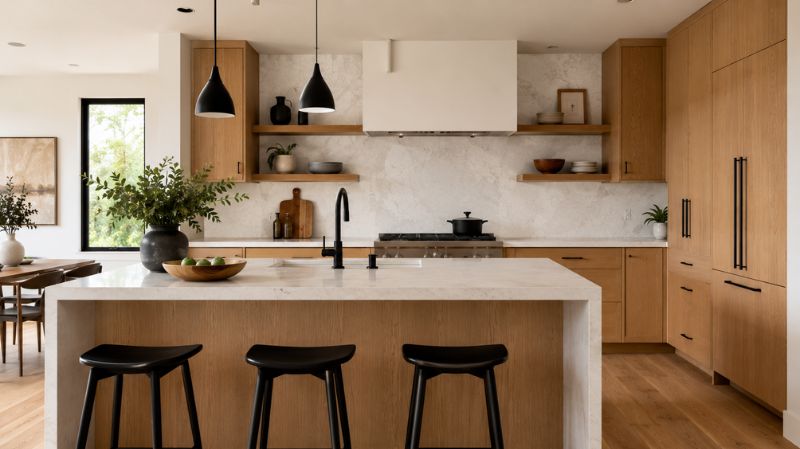
Oak remains one of the most popular hardwoods because it combines durability, versatility, and natural beauty.
Available as Red Oak and White Oak, it performs exceptionally well in busy households.
Characteristics
- Strong and durable
- Prominent grain pattern
- Excellent wear resistance
- Easy to refinish
- Long lifespan
Best Uses
Oak works perfectly for:
- Hardwood flooring
- Kitchen cabinets
- Dining tables
- Staircases
- Bathroom vanities
- Built-in bookcases
Best Paint Colors with Oak
Oak pairs beautifully with:
- Warm white
- Greige
- Sage green
- Soft taupe
- Navy blue
- Charcoal accents
Designer Tip: Repeat oak throughout a room—such as flooring, shelves, and furniture—to create a cohesive, professionally designed space.
Maple Wood: Clean, Bright & Durable
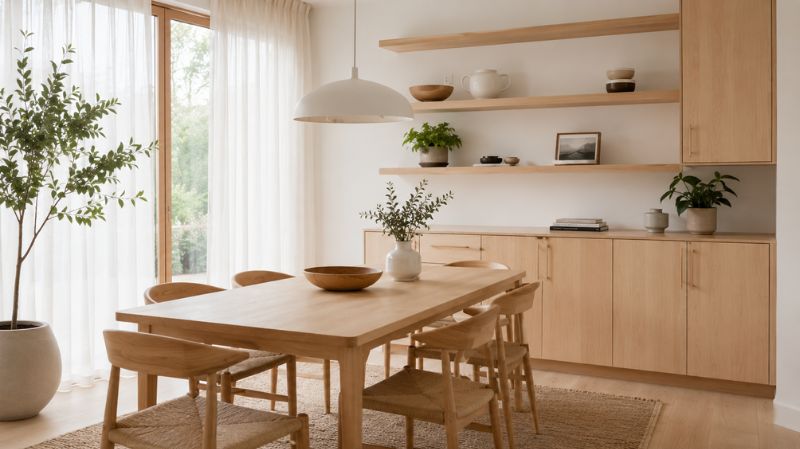
Maple is known for its subtle grain and creamy color, making it a favorite in contemporary and Scandinavian interiors.
Because it reflects more light than darker hardwoods, maple helps smaller rooms feel larger.
Key Features
- Fine, smooth grain
- High hardness
- Scratch resistant
- Bright appearance
- Consistent texture
Best Uses
Maple is ideal for:
- Kitchen cabinets
- Hardwood flooring
- Bedroom furniture
- Dining tables
- Home office desks
- Butcher block countertops
Best Paint Colors
Maple complements:
- Crisp white
- Light greige
- Dusty blue
- Olive green
- Mushroom gray
Pair maple with black hardware, woven textures, and indoor plants for a balanced modern look.
Walnut Wood: Luxury Meets Timeless Style
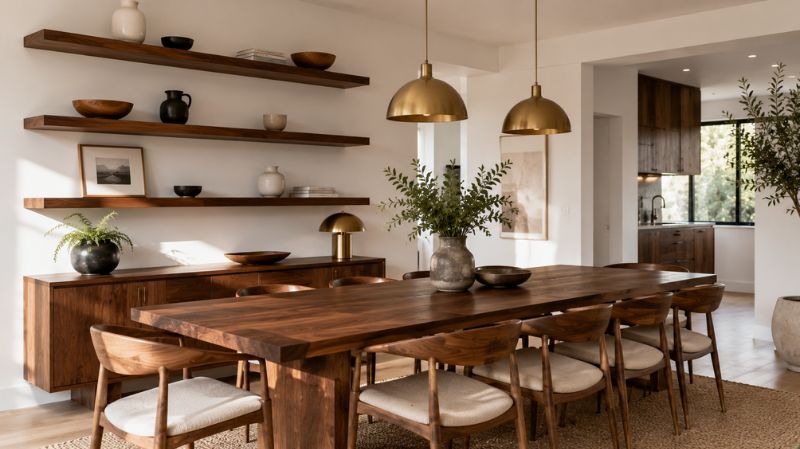
Walnut is one of the finest hardwoods available, recognized for its rich chocolate-brown color and elegant grain.
Unlike many woods that require staining, walnut naturally develops a beautiful patina over time.
Characteristics
- Deep brown color
- Straight, refined grain
- Excellent stability
- Easy to machine
- Premium appearance
Best Uses
Walnut is perfect for:
- Dining tables
- Coffee tables
- Executive desks
- Luxury cabinetry
- Floating shelves
- Statement furniture
Best Paint Colors
Walnut pairs beautifully with:
- Warm white
- Ivory
- Light greige
- Sage green
- Olive green
- Deep navy
- Charcoal gray
Brass, matte black, and brushed nickel hardware all complement walnut beautifully.
Styling Tip: Balance dark walnut furniture with light walls, natural fabrics, and soft lighting to create a sophisticated yet welcoming atmosphere.
Key Takeaway
Understanding the three main wood categories—hardwood, softwood, and engineered wood—makes it much easier to choose the right material for your home. Hardwood is best for premium furniture and flooring, softwood offers affordability and versatility, and engineered wood delivers stability for modern interiors. Among hardwoods, oak, maple, and walnut remain some of the most popular choices thanks to their durability, timeless appearance, and ability to complement a wide range of interior design styles.
Cherry Wood: Elegant and Timeless
Cherry wood is prized for its smooth grain and warm reddish-brown color that deepens beautifully with age. It brings a classic, sophisticated look to interiors and is a favorite for high-end furniture and custom cabinetry.
Key Features
- Smooth, fine grain
- Rich color that darkens naturally over time
- Easy to polish and finish
- Stable under normal indoor conditions
Best Uses
Cherry is ideal for:
- Kitchen cabinets
- Dining room furniture
- Bedroom sets
- Built-in shelving
- Decorative moldings
- Stair railings
Best Paint Colors
Cherry pairs beautifully with:
- Warm white
- Cream
- Soft beige
- Sage green
- Warm gray
- Rich taupe
Designer Tip: Modernize cherry furniture by pairing it with matte black lighting, neutral rugs, and clean-lined décor.
Mahogany Wood: Premium Luxury
Mahogany has long been associated with luxury interiors thanks to its deep reddish-brown color, straight grain, and excellent durability. Its stability makes it ideal for heirloom-quality furniture and architectural details.
Key Features
- Rich reddish-brown color
- Straight, elegant grain
- Highly durable
- Excellent dimensional stability
- Long service life
Best Uses
Mahogany works exceptionally well for:
- Luxury cabinetry
- Dining tables
- Library furniture
- Interior doors
- Staircases
- Wall paneling
Best Paint Colors
Mahogany complements:
- Alabaster white
- Warm ivory
- Greige
- Olive green
- Navy blue
- Charcoal gray
Hickory Wood: Built for Heavy Use
Hickory is one of the hardest domestic hardwoods available. Its exceptional strength and bold grain make it perfect for high-traffic areas and busy family homes.
Key Features
- Extremely hard
- Highly scratch resistant
- Bold grain pattern
- Long-lasting durability
Best Uses
Hickory is commonly used for:
- Hardwood flooring
- Kitchen cabinets
- Dining tables
- Rustic furniture
- Stair treads
- Butcher block countertops
Best Paint Colors
Hickory pairs well with:
- Warm white
- Mushroom gray
- Greige
- Sage green
- Olive green
- Terracotta accents
Teak Wood: The Gold Standard for Moisture Resistance
Teak is one of the most durable woods available thanks to its natural oils, which protect it from moisture, insects, and decay. It’s equally suitable for indoor luxury spaces and outdoor living areas.
Key Features
- Naturally water resistant
- Resistant to insects
- Minimal maintenance
- Beautiful golden-brown color
Best Uses
Choose teak for:
- Outdoor furniture
- Bathroom vanities
- Poolside decking
- Patio furniture
- Kitchen countertops
- Luxury flooring
Best Paint Colors
Teak looks stunning with:
- Soft white
- Sand beige
- Sage green
- Seafoam blue
- Coastal blue-gray
- Charcoal accents
Pine Wood: Affordable and DIY-Friendly
Pine is one of the most popular softwoods because it’s affordable, lightweight, and easy to work with. Its natural knots give it a rustic charm that’s perfect for farmhouse and cottage-style homes.
Key Features
- Budget-friendly
- Lightweight
- Easy to paint and stain
- Rustic appearance
Best Uses
Pine works well for:
- Floating shelves
- Farmhouse tables
- Wall paneling
- Bed frames
- Bookcases
- Painted cabinets
- DIY furniture
Best Paint Colors
Pine complements:
- Crisp white
- Warm beige
- Soft sage
- Dusty blue
- Pale gray-green
Cedar Wood: Naturally Weather Resistant
Cedar contains natural oils that resist insects, moisture, and decay, making it one of the best softwoods for humid environments and outdoor use.
Key Features
- Natural insect resistance
- Excellent moisture protection
- Pleasant aroma
- Lightweight
Best Uses
Cedar is ideal for:
- Outdoor furniture
- Fencing
- Pergolas
- Closet linings
- Accent walls
- Garden structures
Best Paint Colors
Cedar pairs beautifully with:
- Warm white
- Cream
- Olive green
- Forest green
- Taupe
- Deep navy
Other Popular Wood Types
Several additional wood species are commonly used in residential projects.
| Wood Type | Best For | Design Style |
| Ash | Modern furniture, flooring | Scandinavian, Contemporary |
| Birch | Cabinets, DIY furniture | Transitional, Modern |
| Beech | Dining furniture | Minimalist, Japandi |
| Redwood | Decks, fencing, pergolas | Outdoor, Rustic |
| Douglas Fir | Beams, trim, framing | Farmhouse, Industrial |
| Spruce | Shelving, trim, DIY projects | Cottage, Scandinavian |
These woods provide excellent alternatives depending on your budget, style, and project requirements.
Engineered Wood: Affordable and Practical
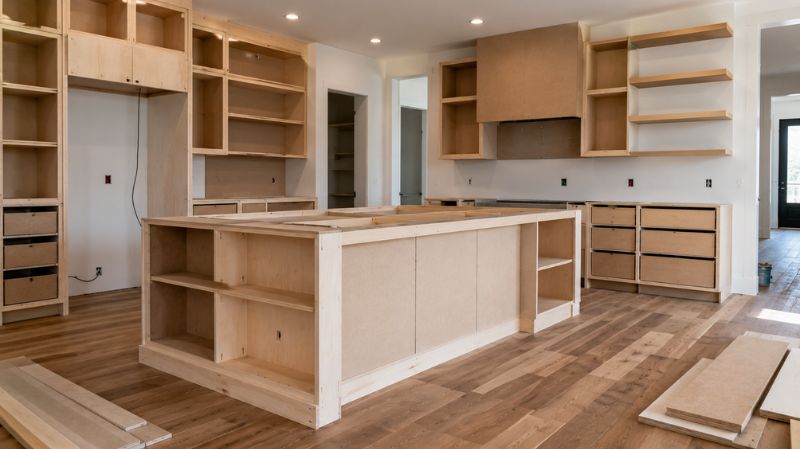
Engineered wood products combine wood fibers, veneers, or strands to create stable, cost-effective materials for modern homes.
Common Types
- Plywood
- MDF
- Particle Board
- OSB
- Veneered Panels
Best Uses
Engineered wood is commonly used for:
- Cabinet boxes
- Wall panels
- Built-in furniture
- Shelving
- Flooring
- Entertainment units
Solid Wood vs Engineered Wood
| Feature | Solid Wood | Engineered Wood |
| Appearance | Natural grain | Veneer or laminate finish |
| Stability | Good | Excellent |
| Cost | Higher | More affordable |
| Refinishing | Multiple times | Limited |
| Best For | Furniture, flooring | Cabinets, panels, shelving |
Best Wood for Furniture
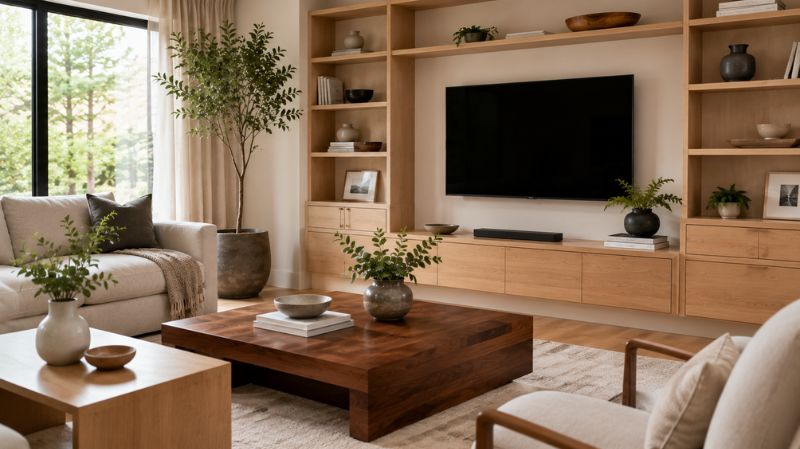
The best furniture wood depends on durability, appearance, and budget.
Living Room
- Oak
- Walnut
- Maple
- Ash
Bedroom
- Maple
- Cherry
- Birch
- Pine
Dining Tables
- Oak
- Walnut
- Hickory
- Maple
Home Office
- Walnut
- Oak
- Maple
- Ash
Best Wood for Flooring
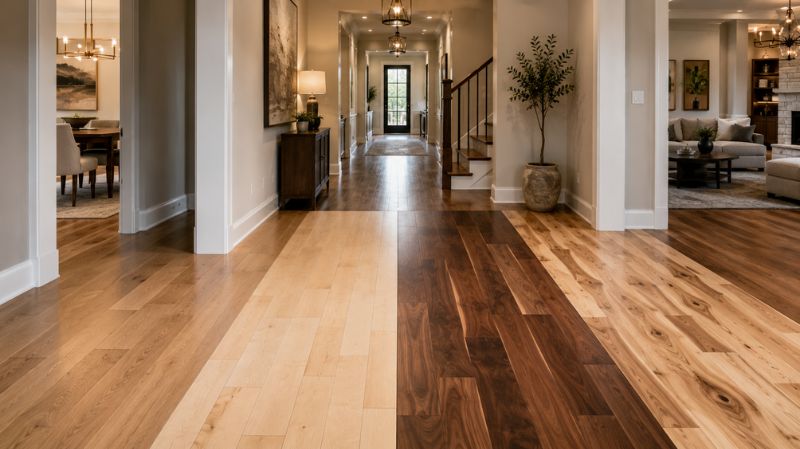
Choosing durable flooring helps protect your investment for decades.
| Wood | Durability | Best For |
| Oak | Excellent | Whole-house flooring |
| Maple | Excellent | Modern homes |
| Hickory | Outstanding | High-traffic areas |
| Walnut | Very Good | Luxury interiors |
| Engineered Hardwood | Very Good | Renovations & humid climates |
For homes with children or pets, oak, maple, and hickory remain the top choices.
Best Wood for Kitchen & Bathroom Cabinets
Cabinets need to withstand daily use while matching your interior style.
Kitchen Cabinets
- Maple – Smooth and modern
- Oak – Durable and timeless
- Cherry – Elegant traditional kitchens
- Walnut – Luxury kitchens
- Birch – Budget-friendly option
Bathroom Vanities
For humid environments, choose:
- Teak
- White Oak
- Cedar
- High-quality engineered plywood
Protect bathroom cabinetry with quality finishes to improve moisture resistance and longevity.
Choosing Wood Based on Interior Design Style
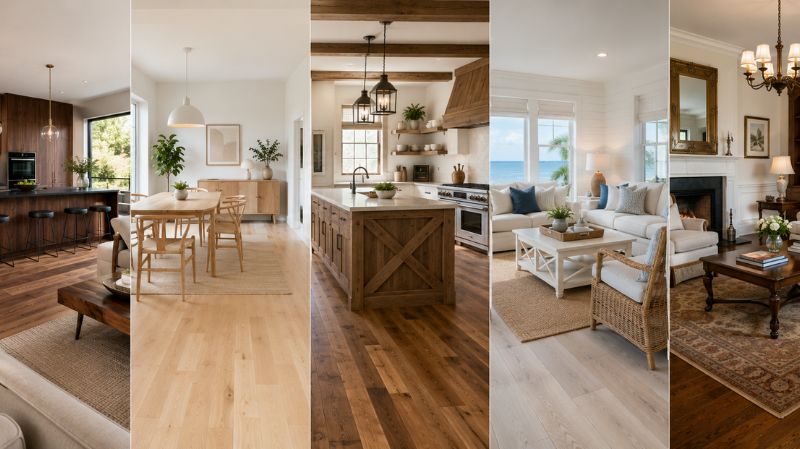
Selecting the right wood is about more than durability—it should also complement your home’s design style. Matching wood species with the right colors, textures, and finishes creates a balanced and cohesive interior.
Modern Interiors
Best Woods: Maple, Walnut, Ash
Paint Colors:
- Crisp White
- Soft Greige
- Charcoal Gray
Modern homes benefit from clean lines, simple furniture, and smooth wood finishes that create a sleek, uncluttered appearance.
Scandinavian Style
Best Woods:
- Maple
- Ash
- Birch
- Pine
Paint Colors:
- Warm White
- Beige
- Soft Sage
Pair light woods with linen fabrics, woven baskets, and indoor plants for a bright, airy atmosphere.
Farmhouse Style
Best Woods:
- Oak
- Pine
- Hickory
Paint Colors:
- Cream
- Warm White
- Taupe
- Olive Green
Rustic wood furniture, black hardware, and vintage-inspired décor complete the classic farmhouse look.
Coastal Interiors
Best Woods:
- Cedar
- Pine
- Teak
- Maple
Paint Colors:
- White
- Seafoam Green
- Soft Aqua
- Sandy Beige
Natural textures and abundant daylight help create a relaxed coastal feel.
Traditional Homes
Best Woods:
- Cherry
- Mahogany
- Oak
- Walnut
Paint Colors:
- Ivory
- Cream
- Warm Gray
- Navy Blue
Traditional interiors emphasize timeless furniture, elegant finishes, and symmetrical layouts.
Best Paint Colors for Different Types of Wood
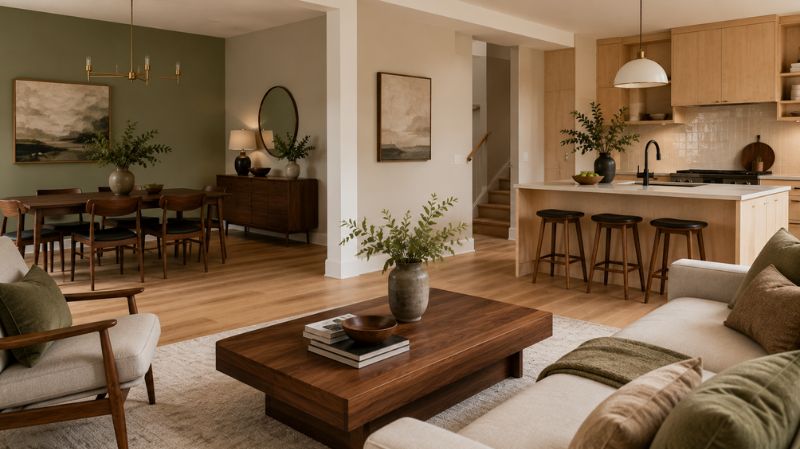
The right paint color enhances the natural beauty of wood while creating harmony throughout your home.
| Paint Color | Best Wood Types |
| Warm White | Oak, Maple, Walnut, Birch |
| Greige | Walnut, Cherry, Oak, Ash |
| Sage Green | Pine, Cedar, Maple, Birch |
| Navy Blue | Walnut, Mahogany, White Oak |
| Warm Beige | Cherry, Hickory, Pine |
| Charcoal Gray | Walnut, Douglas Fir, Maple |
Designer Tip
Instead of matching colors exactly, match the undertones.
- Warm woods pair best with warm whites, beige, olive green, and earthy neutrals.
- Cooler-toned woods work beautifully with soft gray, muted blue, and charcoal accents.
This simple approach creates a professionally designed look.
Wood Maintenance Tips
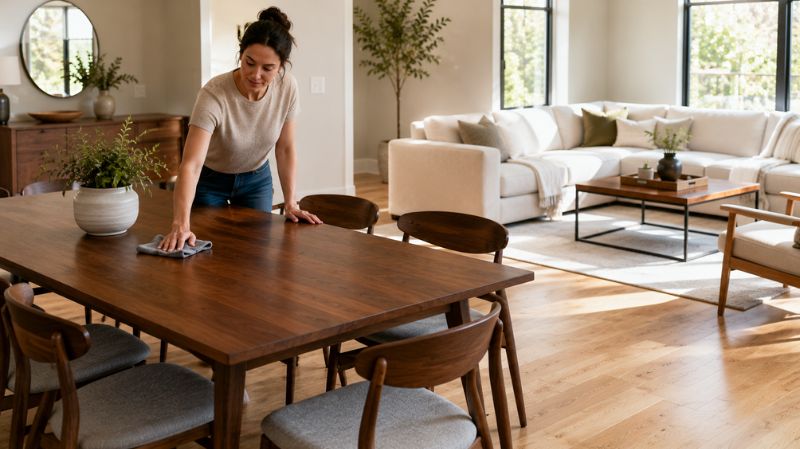
Proper care helps wood furniture, flooring, and cabinetry last for decades.
Clean Regularly
Dust with a soft microfiber cloth and avoid harsh chemical cleaners that can damage finishes.
Protect from Moisture
Wipe spills immediately and use moisture-resistant finishes in kitchens, bathrooms, and outdoor spaces.
Prevent Scratches
Use furniture pads, area rugs, and coasters to protect wood surfaces from everyday wear.
Control Indoor Humidity
Maintaining indoor humidity between 35–55% helps reduce expansion, shrinking, and warping.
Refinish When Needed
Solid hardwood furniture and flooring can often be sanded and refinished, restoring their original appearance and extending their lifespan.
Tips for Choosing the Right Wood
Before selecting any wood species, consider these important factors:
- Your overall budget
- Indoor or outdoor use
- Moisture exposure
- Expected daily wear
- Maintenance requirements
- Interior design style
- Desired wood color and grain
- Sustainability certifications
Selecting wood based on your lifestyle—not just appearance—ensures better long-term performance and value.
Conclusion
Understanding the different types of wood makes it easier to choose materials that suit your home’s style, budget, and functional needs. Hardwood species like oak, maple, walnut, cherry, hickory, and teak provide outstanding durability and timeless beauty, making them excellent choices for furniture, flooring, and cabinetry. Softwoods such as pine and cedar offer affordability, versatility, and natural warmth, while engineered wood delivers excellent stability and value for modern homes.
The best wood isn’t necessarily the most expensive—it’s the one that fits your project. Whether you’re remodeling a kitchen, installing hardwood floors, building custom furniture, or decorating a living room, selecting the right wood enhances durability, complements your paint colors, and creates a home that’s both beautiful and functional.
By combining quality wood with complementary finishes, lighting, and décor, you can create interiors that remain stylish and practical for years to come.
Planning your next home improvement project?
Compare wood species based on durability, maintenance, grain pattern, color, and design style before making your final decision. Choosing the right wood today will help ensure your furniture, flooring, cabinets, and décor continue looking beautiful for decades.
FAQs
1. What are the three main types of wood?
The three primary categories are hardwood, softwood, and engineered wood. Hardwood comes from deciduous trees, softwood comes from coniferous trees, and engineered wood is manufactured from wood fibers or veneers.
2. Which wood is best for furniture?
Oak, walnut, maple, cherry, and hickory are among the best furniture woods because they combine durability, attractive grain patterns, and long service life.
3. Which wood is best for flooring?
Oak, maple, and hickory are the top choices for hardwood flooring due to their strength, scratch resistance, and durability. Engineered hardwood is also an excellent option for areas with changing humidity.
4. What is the strongest type of wood?
Among commonly available domestic woods, hickory is one of the strongest and most durable, making it ideal for flooring and heavy-use furniture.
5. Which wood is naturally water-resistant?
Teak, cedar, redwood, and white oak naturally resist moisture, making them excellent choices for bathrooms, outdoor furniture, and humid climates.
6. Which wood is best for kitchen cabinets?
Maple and oak are the most popular choices because they’re durable and versatile. Walnut and cherry provide a premium appearance, while birch is a budget-friendly alternative.
7. Is hardwood better than softwood?
Not always. Hardwood is generally stronger and better suited for flooring and furniture, while softwood is more affordable, lightweight, and ideal for construction, painted furniture, and DIY projects.
8. How can I identify different types of wood?
Wood can often be identified by its grain pattern, natural color, weight, texture, hardness, and distinctive scent. Experienced woodworkers also examine the end grain and pore structure.
9. Which wood is the most affordable?
Pine, spruce, and birch are among the most affordable natural woods. Engineered wood products like plywood and MDF also provide excellent value for many home improvement projects.
10. How do I choose the right wood for my home?
Consider your budget, room location, moisture exposure, durability needs, maintenance expectations, design style, and preferred grain pattern. Matching the wood to your lifestyle and project requirements will deliver the best long-term results.